
Culture and manners in Croatia: greetings, café life, dress in old towns and churches, the war, language and etiquette
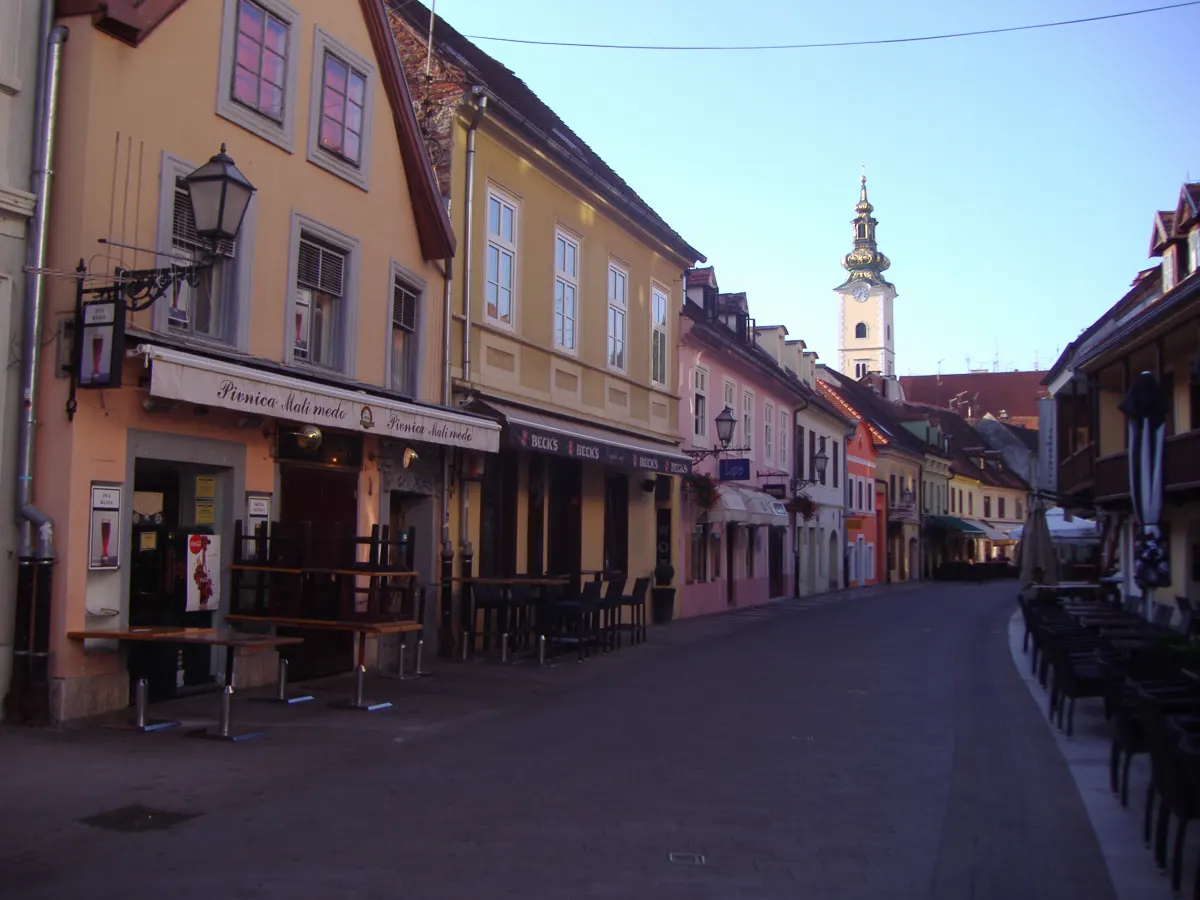
Croats are direct, sociable and proud of where they come from, meaning the town or island as much as the country. A Dalmatian isn't a Slavonian. Staff can seem short at first. Say good day, take your time, and it changes.
Greetings
- Say dobar dan when you walk into a shop, a lift or a waiting room, and hvala, doviđenja when you leave. Bok is "hi" in Zagreb, bog elsewhere, and ćao on the coast.
- Shake hands firmly, with eye contact. Friends kiss on both cheeks.
- Use gospodin (Mr) or gospođa (Mrs) with older people until told otherwise.
Coffee and time
- "Let's go for a coffee" means "let's talk". Whoever invites usually pays, and arguing over the bill is polite.
- Fjaka is Dalmatia's word for the blissful idleness of a hot afternoon. Between about 2 and 5 pm in summer, small shops close, and people rest.
- Quiet hours at night, usually 11 pm to 7 am, are taken seriously in flats and villages. So is the afternoon in many houses. Wheeled suitcases on old stone wake whole streets.
In a home
Bring flowers (an odd number), wine, coffee or chocolate. Take your shoes off if your host has. You'll be fed, and asked again if you say no. Try everything, and praise the host's own oil, wine or rakija.
Dress
- Swimwear is for the beach. Walking through the centre of Split, Dubrovnik, Hvar or Zadar without a shirt, or in a bikini, can be fined on the spot.
- In churches, cover shoulders and knees, take hats off, and don't walk round during a service. Most Croats are Catholic, at least by tradition. Some churches lend shawls.
- In town people dress neatly. Beach shoes look odd at dinner.
- On some beaches nudity is normal, and on others not: see Naturism.
The war
- The Homeland War of 1991–95 is within memory, and nearly every family lost something. Vukovar and Dubrovnik were besieged. Let people raise it themselves, and don't joke about it or wear military clothes.
- 18 November is the day of remembrance for Vukovar. Candles line the streets, and music stops.
- Don't call Croats Yugoslavs or Serbs, or Croatian "Serbo-Croat". Avoid comparisons with the neighbours. Opinions on Tito, the Second World War and politics differ within families.
- Fascist Ustasha signs and slogans, such as "Za dom spremni", are seen and sung, and offend many Croats as well as visitors. Keep away from it.
Sport and song
- Football is close to a religion. In Split it's Hajduk, in Zagreb Dinamo. Don't wear one's colours in the other's city.
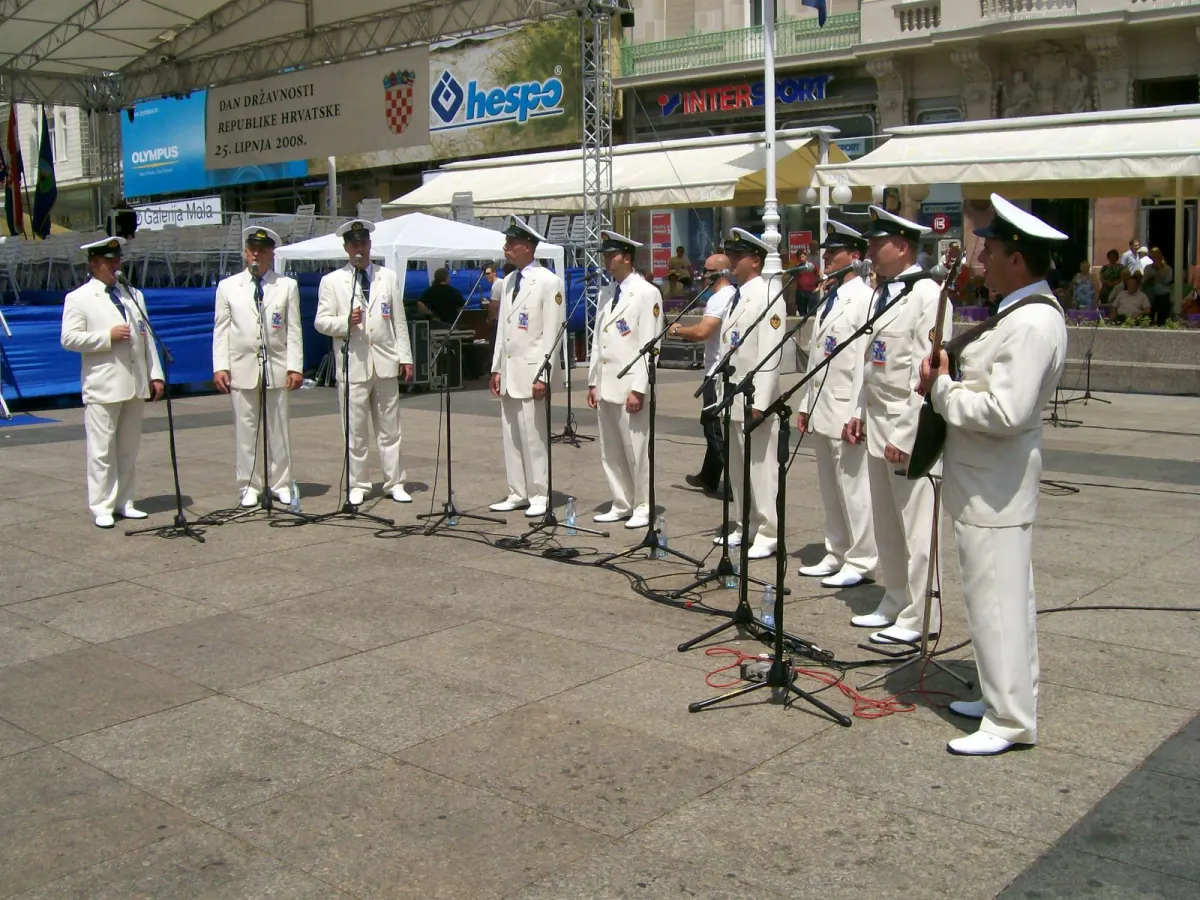
- Klapa, unaccompanied Dalmatian singing, is on UNESCO's list of living traditions, and best heard by chance in a courtyard. Listen quietly.
- Two old spectacles to look out for are Korčula's Moreška sword dance and Sinj's Alka, a knights' tournament in August.
- The necktie is named after Croats (Hrvat, cravat). You'll be told.
Language
- Croatian uses the Latin alphabet, and is read as written: č and ć like "ch", š "sh", ž as in "measure", j "y", c "ts", đ "j".
- Most people under 50 on the coast speak English. German is common, and Italian in Istria, where road signs are in two languages.
- Molim (please, pardon, you're welcome), hvala (thank you), oprostite (excuse me), koliko košta? (how much is it?), račun, molim (the bill, please).
Smoking and drinking
Smoking is banned in restaurants, and allowed in many cafés and bars with no kitchen. Terraces are smoky. Being loudly drunk in public is frowned on, and can be fined: see Safety and Wine and drink.
LGBTQ+ travellers
Same-sex couples can register a life partnership. Zagreb, Split and Rijeka have Pride marches, and Istria is relaxed. Elsewhere people are conservative, and public affection draws looks, or now and then abuse. Discrimination is illegal.
Comments