
Arriving in Croatia: Schengen rules, EES, ETIAS, your passport, police registration and customs
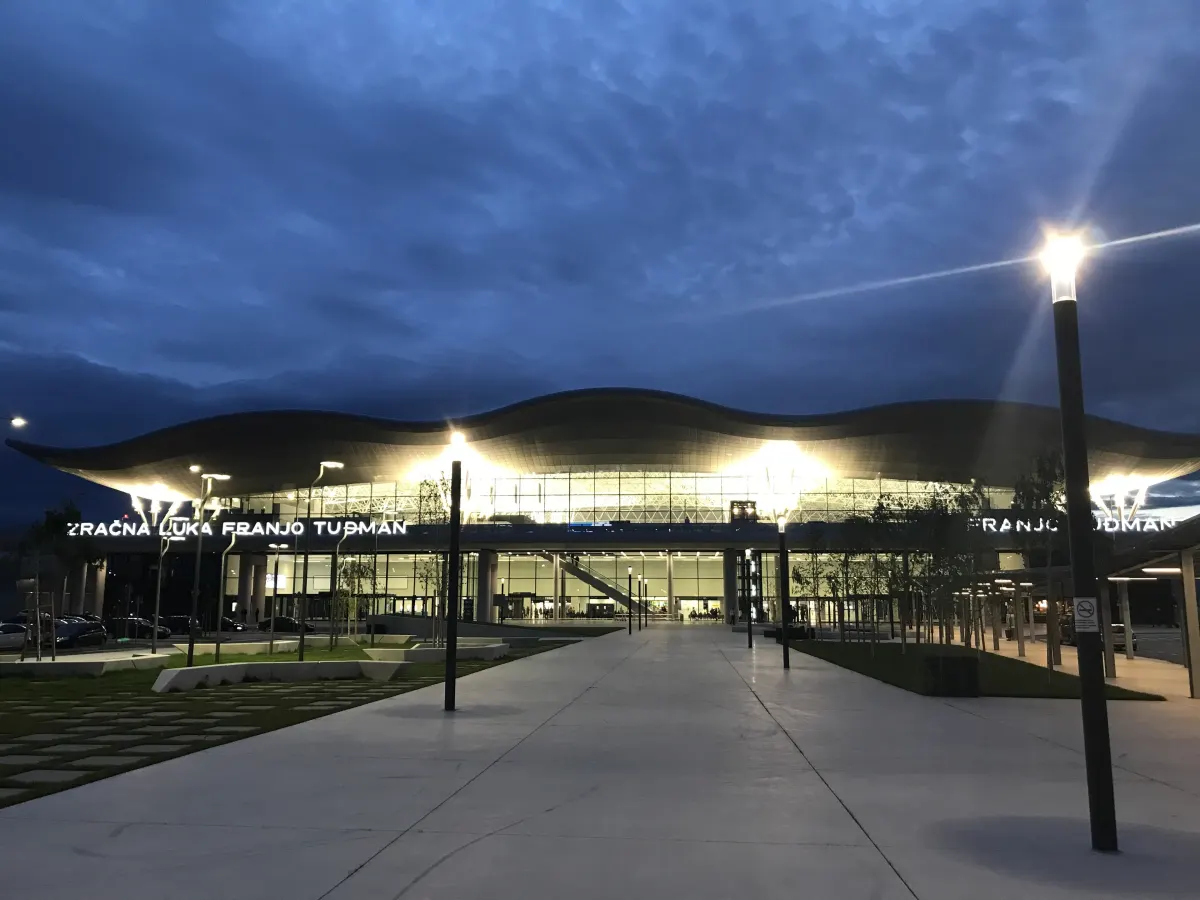
Croatia has been in the Schengen area, and has used the euro, since January 2023. There are no routine passport checks between Croatia and Slovenia, Hungary or Italy, but there are real borders with Bosnia and Herzegovina, Montenegro and Serbia. Most visitors from outside the EU can come for up to 90 days without a visa. Two new systems matter: EES, which is running, and ETIAS, which isn't yet.
The 90-day rule
- Citizens of the UK, USA, Canada, Australia, New Zealand, Japan, South Korea and many other countries can stay without a visa for up to 90 days in any 180-day period. The days count for the whole Schengen area together, so a month in Italy or Greece uses them up too. Days in Bosnia, Montenegro or Albania don't count.
- Overstaying can mean a ban of up to three years.
- EU, EEA and Swiss citizens need only a passport or national identity card. Other nationalities, including Indian, Chinese and South African citizens, normally need a Schengen visa in advance. If yours is for a single entry, a day trip to Mostar or Kotor ends it.
Your passport
- For visitors from outside the EU, it must have been issued less than 10 years before you arrive, and be valid for at least three months after you leave the Schengen area.
- Border officers can ask for proof of where you're staying, travel insurance, a return or onward ticket and enough money for your stay.
- Carry your passport with you in Croatia. The UK's travel advice says always, and keep a copy of the photo page.
EES: fingerprints and a photo
- The Entry/Exit System replaces passport stamps for visitors from outside the EU and Schengen. It became fully operational on 10 April 2026.
- The first time you cross the border, your fingerprints and photo are taken. It's free, there's nothing to apply for before you travel, and children aged 11 or younger don't give fingerprints. The record lasts three years.
- Allow extra time in both directions, at airports as well as by road. In the summer of 2026 there were long queues at the land borders.
- You register where you first enter Schengen. If you change planes in Frankfurt or Vienna, that's there, not in Split.
ETIAS: not yet
- ETIAS is an online travel authorisation that visa-free visitors will need. In November 2026 it wasn't in operation, no applications were being accepted, and there was no start date. The EU says it will announce one several months ahead.
- When it starts, it will cost €20 and be applied for online.
- Any website that offers to take your application now is not genuine. The only official address is travel-europe.europa.eu. Look there before you book.
To and from Slovenia and Italy
- Both are in Schengen, but spot checks go on. The UK's travel advice says there are checks at Slovenia's border with Croatia, and to use only crossings open to everybody. (The European Commission's list of temporary controls had no entry for Slovenia in November 2026.) Italy checks at its border with Slovenia, until 18 June 2027 so far.
- Everybody needs a passport or identity card with them, even on a bus from Trieste or a train from Ljubljana.
Registering with the police
- Foreigners must be registered within 48 hours of arriving at each place. Hotels, campsites, hostels and legal apartments do it for you, online, from your passport. That's why they ask for it at the desk.
- If you stay with friends, or in a flat whose owner doesn't do it, the owner or you must register at a police station with form 16a.
- If you're on a boat, the rule applies too: the charter company or marina does it. See Sailing.
Customs
- From outside the EU you can bring up to €430 of goods by air or sea (€300 by land, €150 for under-15s), plus, for those aged 17 and over, 200 cigarettes, 1 litre of spirits or 2 litres of drinks up to 22%, 4 litres of wine and 16 litres of beer.
- Meat, milk and anything made with them are banned from outside the EU, including the UK, with small exceptions such as baby milk. That includes ham and cheese bought on a day trip to Bosnia or Montenegro.
- Declare cash of €10,000 or more, in or out.
- Arrive with prescription medicines in their boxes, with the prescription.
Next: airports, the borders with Bosnia and Montenegro, money and phones.
Comments