
The midnight sun and dark winters in Iceland: daylight month by month, where the sun stays up, and sleeping
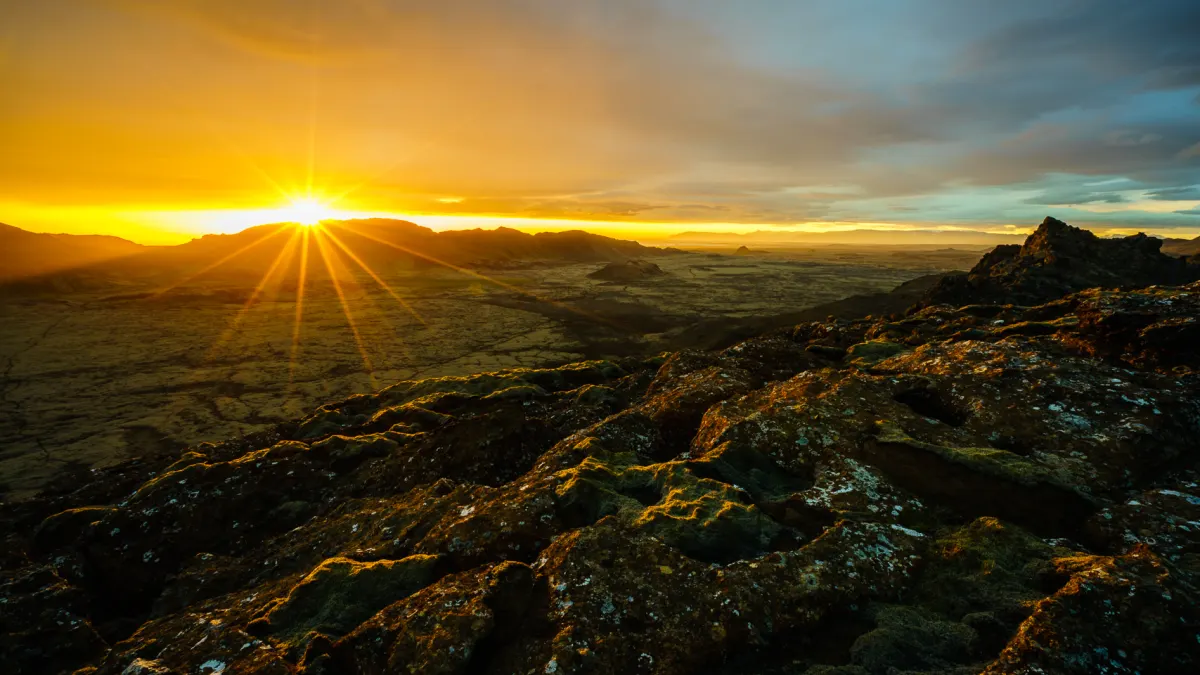
Iceland lies just below the Arctic Circle. In June it doesn't get dark, and in December you may breakfast, drive and eat dinner by lamplight. Both are worth coming for, and both change what you can do in a day.
Through the year
- Around 21 June the sun sets in Reykjavík just after midnight and rises before 3 am, and it never gets dark in between. From about 20 May to 25 July you could read outdoors all night.
- The true midnight sun, above the horizon all night, is only on Grímsey, on the Arctic Circle. On the north coast it dips for an hour or so. It's a lovely time to drive or walk, with nobody about. Bring an eye mask.
- Around 21 December the sun in Reykjavík rises about 11.20 am and sets about 3.30 pm, with a long blue twilight at each end. In the Westfjords and the north it's an hour or so shorter, and some fjords don't see the sun for weeks.
- Days grow fast: about nine hours in mid-February, and twelve in mid-March.
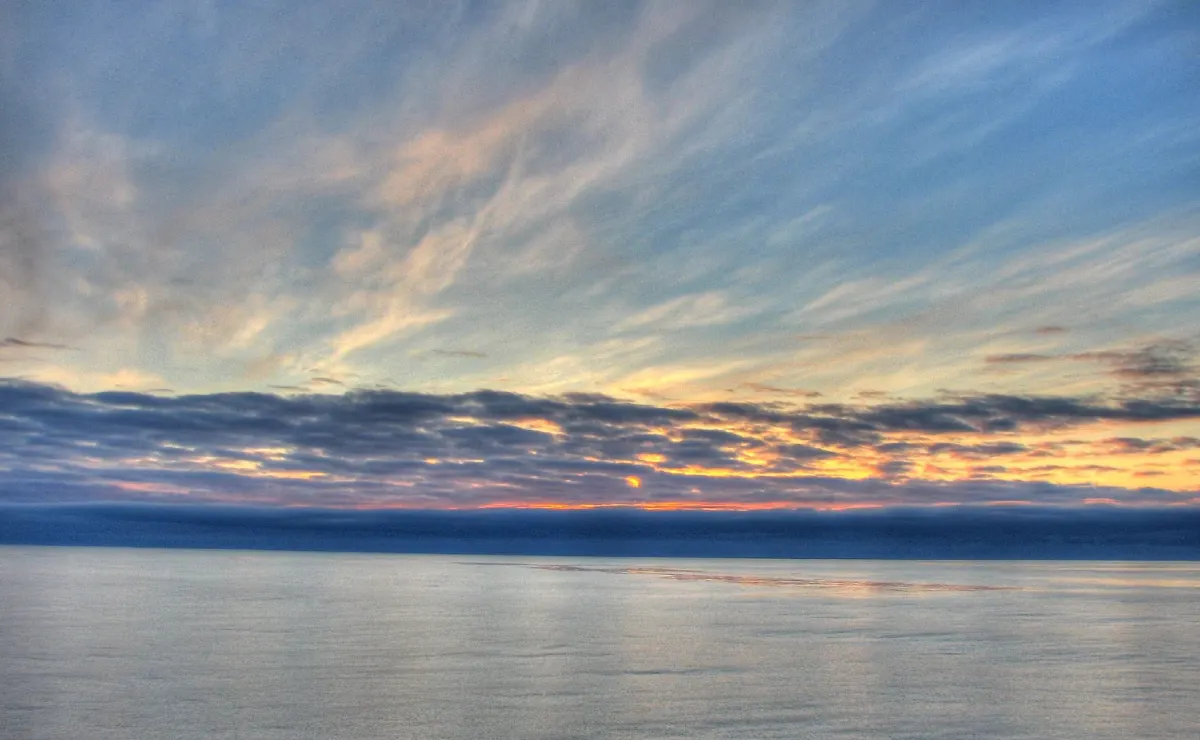
Making the most of June
- Do the famous sights after 7 pm or before 8 am. The coaches have gone, and the light is low and golden for hours.
- For the lowest sun, go to the north coast: the Tröllaskagi and Vatnsnes peninsulas, Húsavík, Raufarhöfn, where a stone circle, the Arctic Henge, is laid out for it, or by boat or plane to Grímsey.
- In Reykjavík, the Grótta lighthouse and the Sun Voyager are the places at midnight. Grótta island itself is closed for nesting birds from May to mid-July.
- Don't drive because it's still light. Tired drivers at midnight are a danger: stop when you'd stop at home.
- For sleep, bring an eye mask, and shut the curtains an hour before. Many guesthouses have thin ones.
Managing December
- Plan one main stop a day between 11 am and 3.30 pm, and be at your room by dark.
- The sun stays so low that the light is like dusk all day, and lovely for photographs.
- Swim in the evening, under lights and steam: see Swimming pools.
- From February you gain about three quarters of an hour of light each week.
- Iceland doesn't change its clocks. It's on GMT all year.
See also Northern lights and When to go.

Comments