
Looking after nature in Iceland: moss, private land, horses, cairns and drones
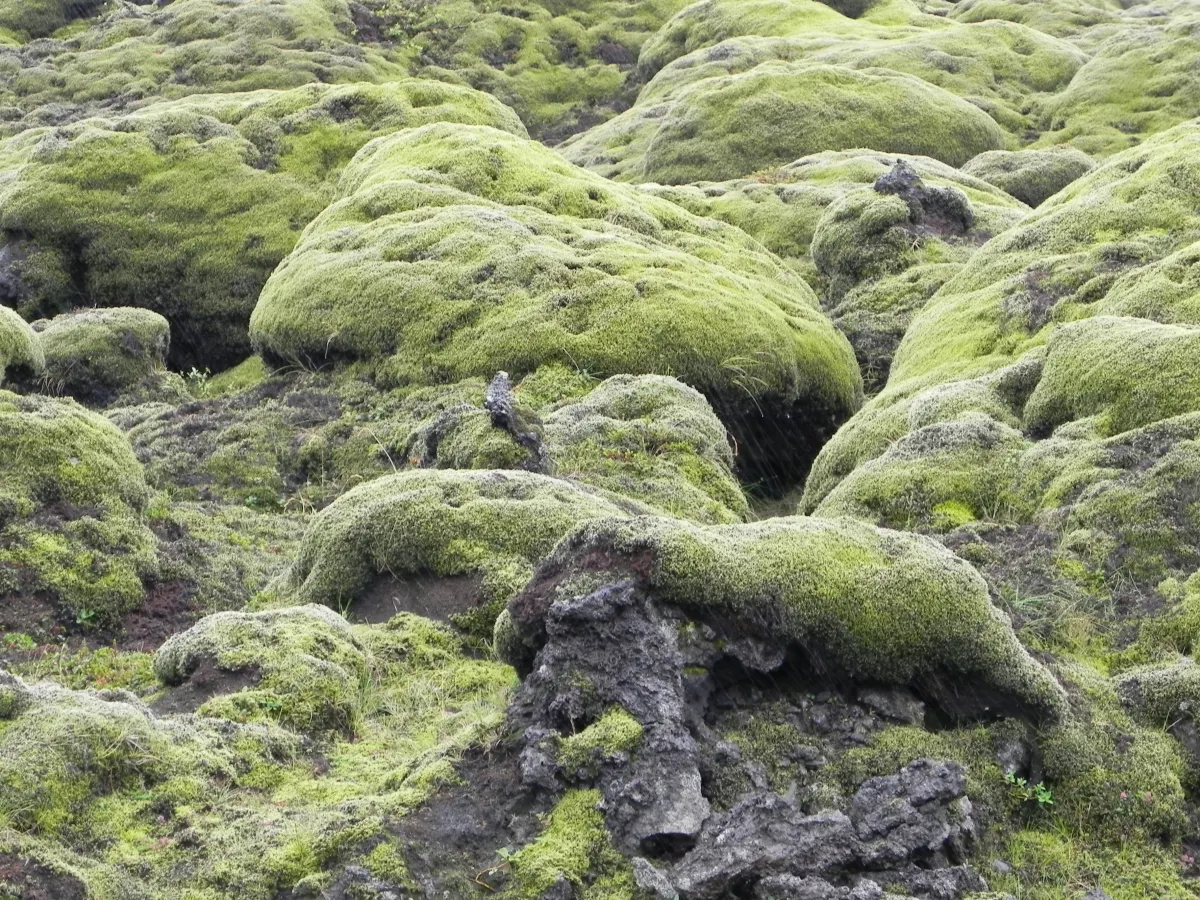
More than two million visitors a year walk on ground that has almost no soil. Plants here take decades to come back. Icelanders care about this more than about any other rule.
The land
- Moss grows a few millimetres a year. A footprint lasts decades. Stay on paths, and behind the ropes.
- Don't build cairns or write in the sand or moss. Real cairns mark routes.
- Take nothing: no lava, no stones from the beaches.
- Farmland is private, even with no fence. You may walk across uncultivated land, and must leave gates as they were. Don't go into fields to reach a horse or a view.
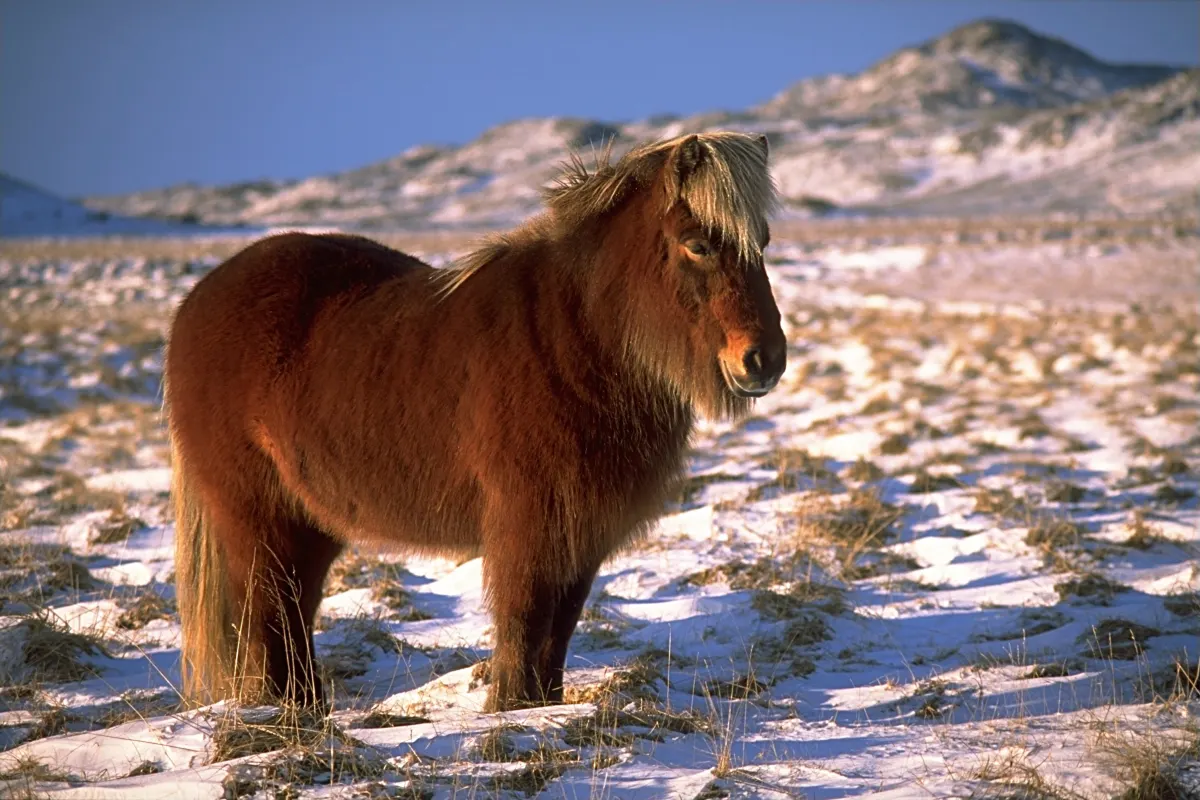
- Horses aren't to be fed. Bread makes them ill. Riding is easy to arrange, and the smooth fifth gait, the tölt, is a pleasure even for beginners. Bring no used riding gear from abroad: see Arriving.
- Use a toilet, at a petrol station or campsite. The whole country can see the other sort.
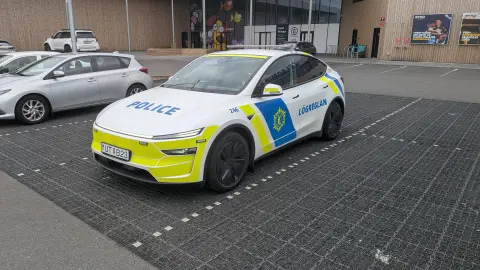
- Driving off the road is a crime, and the police do look for the tracks, and for the videos. Fines can be hundreds of thousands of krónur.
- Nesting birds close some paths from May to July. If a bird calls or dives at you, go back.
- Ropes and closed gates at waterfalls are mostly there to let the ground dry out. Going round the sign makes the new path that closes the place for everyone.
Drones
- Since 17 May 2026 the nature agency has given no permits for flying for fun in its protected areas, so you can't at places such as Gullfoss, Geysir, Goðafoss and Dyrhólaey. Þingvellir has its own rules.
- In Vatnajökull National Park it's allowed, except at Skaftafell, the Ásbyrgi area and Askja, and at Jökulsárlón from 15 April to 15 July.
- Elsewhere, look at the Transport Authority's drone map, keep away from people, birds and airports, and ask the landowner.

Comments