
Winter driving in Iceland: ice, storms, closed roads, tyres, daylight and whether to drive at all
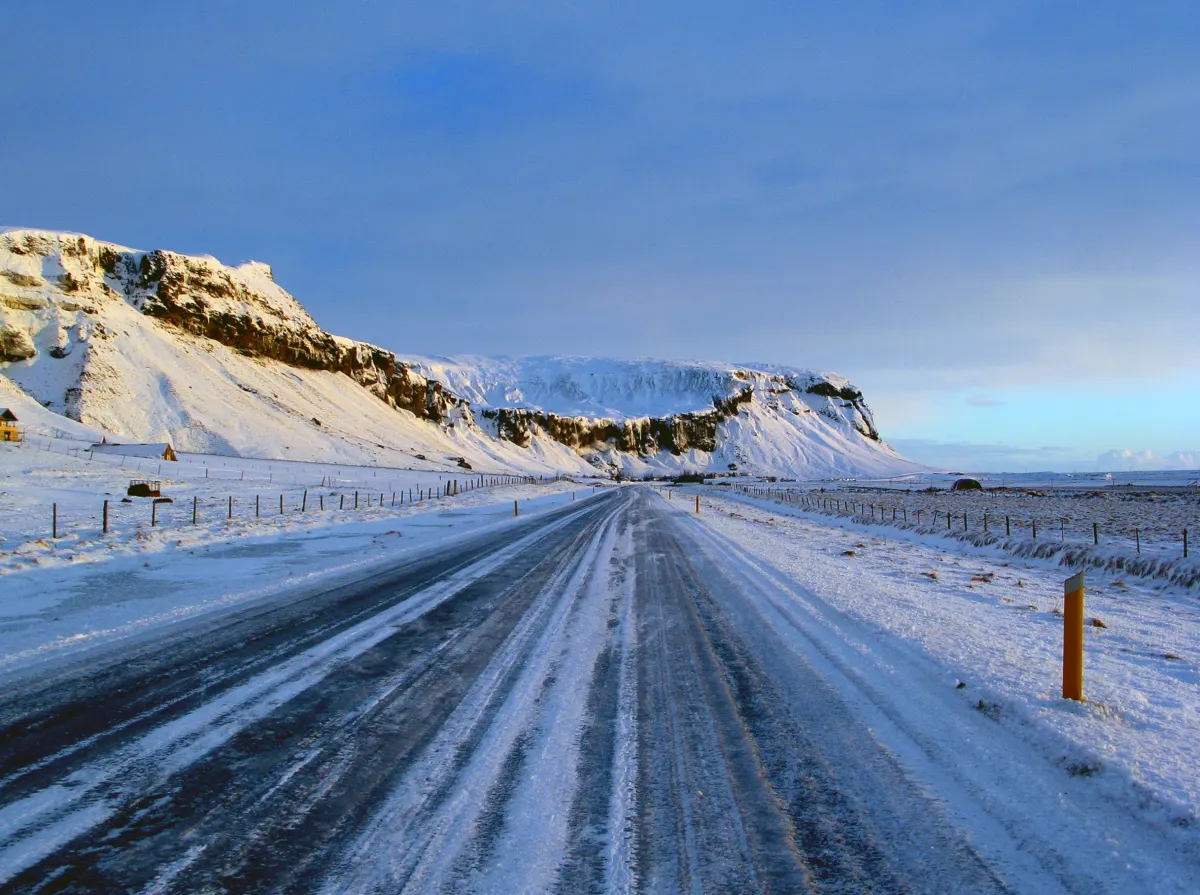
Plenty of visitors drive in Iceland in winter and enjoy it. Plenty of others spend their holiday in a ditch. If you've never driven on ice, take buses and tours and look out of the window.
What to know
- Expect ice from October to April. Hire cars come with winter tyres, studded if you ask. Studs aren't allowed from 15 April to 31 October unless conditions demand it.
- A 4x4 helps you start, not stop. The worst things are black ice, drifting snow and gales.
- Closed (Lokað) means closed. Driving past the sign can leave you paying for the rescue, with no insurance. Have a spare day, and a room you can cancel.
- The Ring Road in the south and west is cleared first. The north and east can close for a day or more. The Öxi pass (939) isn't a winter road, and your sat-nav doesn't know.
- In December there are four or five hours of light. Don't drive your first Icelandic roads in the dark.
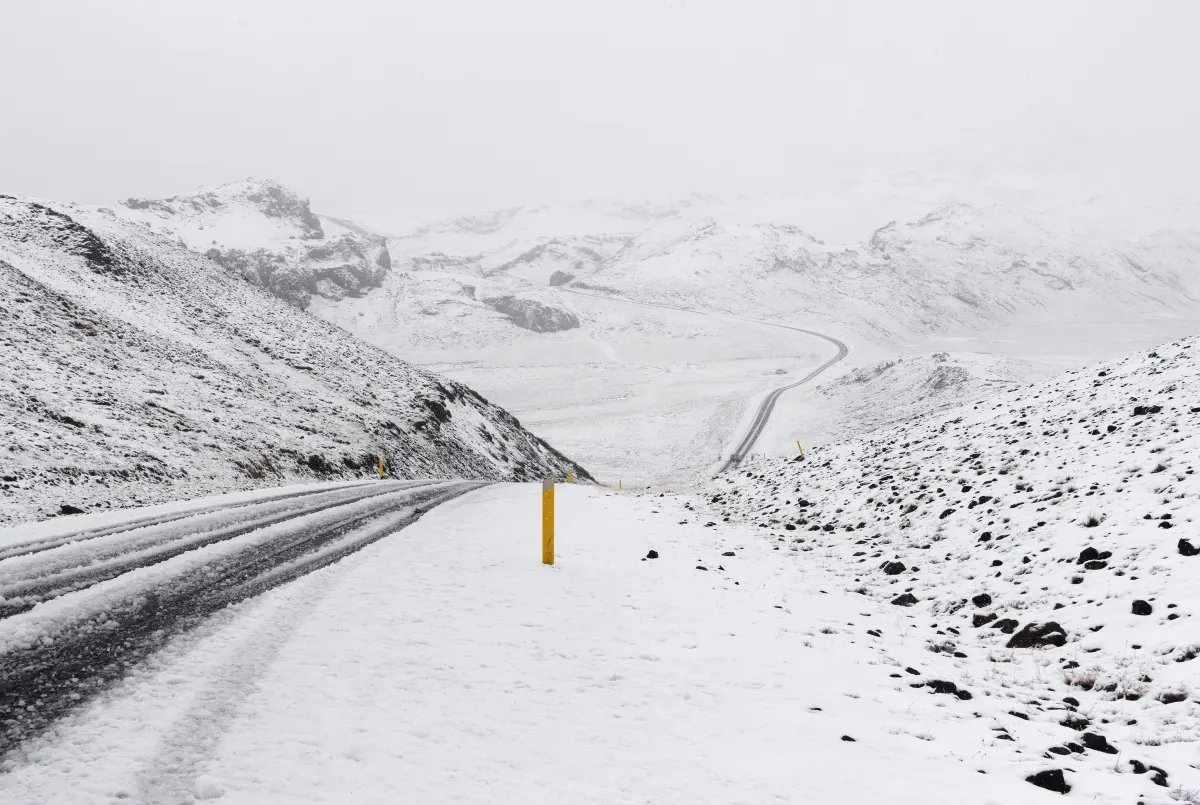
Each day
- Look at vedur.is and umferdin.is before you leave, and again at each stop. See Weather and road warnings.
- Clear all the snow off the windows, lights and roof. Switch on the lights yourself, and walk round the car to see the back ones.
- Plan 150 km or less between rooms, and start at first light.
- Brake early and gently, and leave a long gap. Bridges and shaded bends freeze first.
- Look out for people stopped on the road for the northern lights.
If you're stuck
- Stay in the car. Put on the hazard lights, and everything warm that you have. Keep the exhaust pipe clear of snow if the engine's running.
- Call 112 if anyone's in danger. If it doesn't connect, +354 599 0112: see Phones.
- Carry food, water, a blanket, a torch, a shovel and a charged phone.
Summer rules, insurance and fines are in Driving.

Comments