
Culture and etiquette in Iceland: names, language, manners, equality, sagas and music
Nearly 400,000 people live in Iceland, two thirds of them around Reykjavík. They're informal, well read, quick to help and not given to small talk with strangers. Most speak excellent English. They put up with a great many visitors, and what they mind most is damage to the land.
Names and language
- People go by their first names, the president too. The second name says whose child you are: Jónsson is Jón's son and Jónsdóttir is his daughter. There are few family names, and wives don't change theirs.
- Þ is th in "thing" and ð is th in "this". Æ is like "eye". The stress is always on the first part of the word.
- Halló or góðan daginn (good day), takk (thanks), bless (goodbye, usually said twice), and skál (cheers). Þetta reddast, "it'll sort itself out", is close to a national motto, and not to be used about the weather.
Manners
- Take off your shoes in homes, and in many guesthouses.
- Be on time for tours. Elsewhere people are easy about it.
- In the hot pot people talk to strangers. It's the place for it. Wash first: see Swimming pools.
- Equality matters. Iceland has come top of the world's ranking for it year after year. Gay and transgender visitors will find it one of the easiest countries anywhere. Reykjavík Pride, in August, is a family day out.
- Babies sleep outdoors in prams. They're fine.
- Don't laugh at elves. Few people quite believe in them. Fewer would move their rock.
Churches, sagas and art
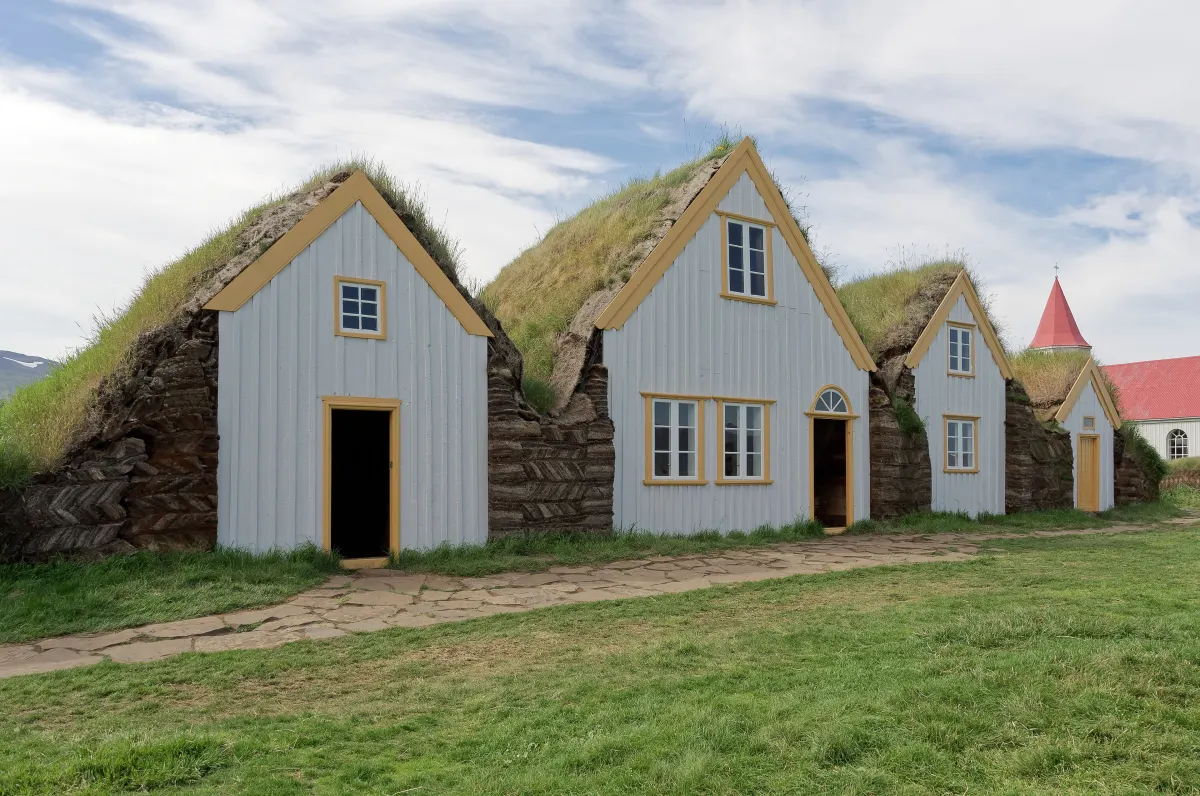
- Small wooden and turf churches stand on farms. If one is open, go in quietly. A wedding or funeral comes first.
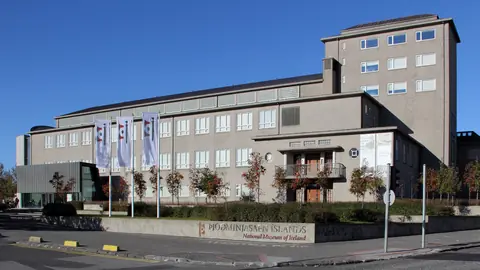
- The sagas, written 800 years ago, are still read, and nearly every valley has one. The National Museum is the place to begin.
- One Icelander in ten is said to publish a book. At Christmas they give each other books, in the Jólabókaflóð.
- Music is everywhere, from Harpa to the Iceland Airwaves festival in November.
See also Looking after nature, Holidays and festivals and Laws.
Attractions
National Museum of Iceland, Reykjavík
Reykjavík, Capital
Iceland's history from the Viking settlement to today, with Viking swords, a carved church door from Valþjófsstaður, drinking horns and everyday obje…
Buildings
Harpa Concert Hall, Reykjavík
Reykjavík, Capital
Reykjavík's concert hall on the harbour, with a facade of glass panels inspired by basalt columns, designed with artist Olafur Eliasson, which glitte…

Comments