
Money in Iceland: the króna, cards, what things cost, taxes, tipping and how to spend less
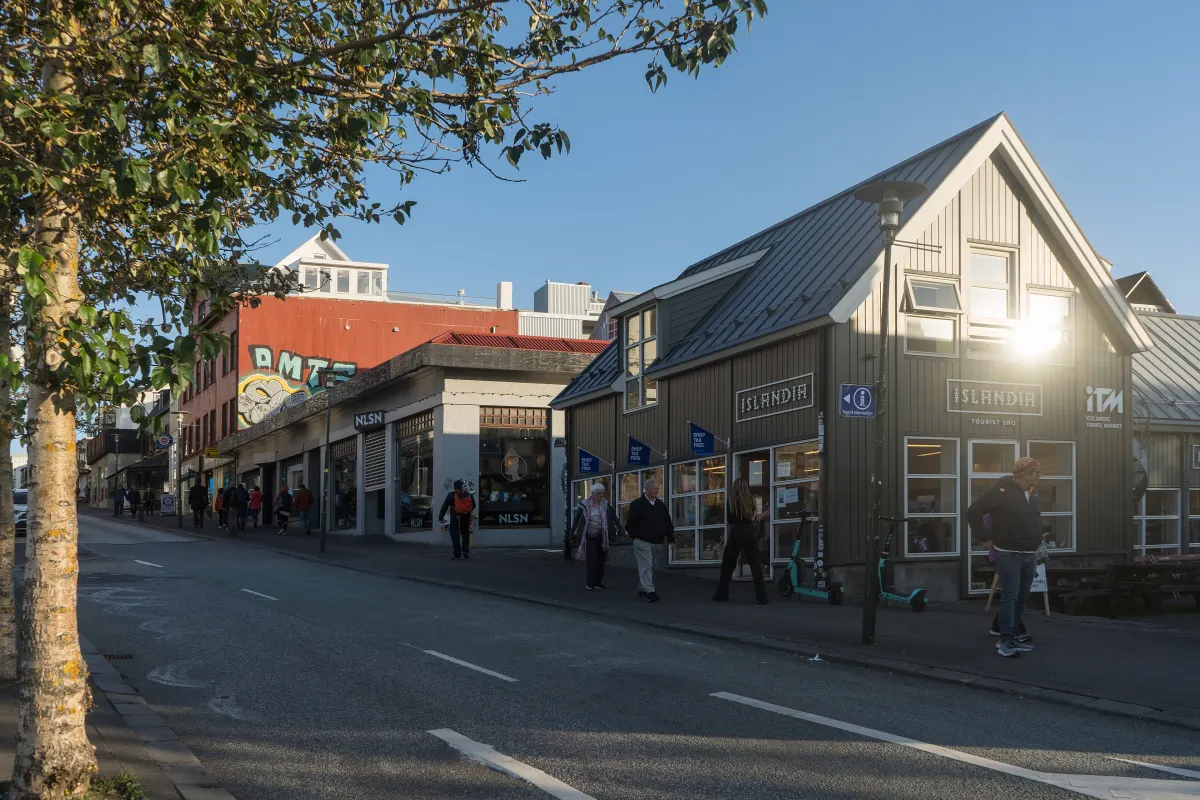
Iceland is one of the dearest countries in Europe. It has no poor exchange tricks or bargaining, and the price you see is the price you pay. Most people's money goes on the car, the beds and the restaurants. All three can be cut.
The króna
- The currency is the Icelandic króna (ISK, kr.). Coins go from 1 to 100 krónur, and notes up to 10,000.
- In early November 2026 there were about 123 to the US dollar and 137 to the euro. To get euros roughly, take off two zeros and then a quarter.
- Prices often have a full stop for thousands: 4.500 kr. is four and a half thousand.
Cards and cash
- You can pay by card or phone for everything, down to a hot dog or a campsite toilet. Many visitors never touch cash.
- You need a card with a PIN for petrol pumps. Bring two cards.
- If the machine offers to charge you in your own currency, choose krónur.
- Cash machines are in banks and shopping centres. Krónur are hard to change abroad, so don't take many.
What things cost
These are rough prices from autumn 2026.
- Coffee and a pastry: 1,300 to 1,800. Hot dog at Bæjarins Beztu: 920.
- Lunch at a counter: 2,900 to 4,200. Main course in an ordinary restaurant: 4,000 to 6,000.
- Beer in a Reykjavík bar: 1,750 to 1,900 for half a litre. The same in the state shop: about 500. Happy hour: 900 to 1,300.
- Groceries, cooking for yourself: 1,800 to 2,400 a day.
- Hostel bed: from 6,000, and double that in July. Guesthouse double: 15,000 to 25,000. Hotel double: 25,000 to 45,000, and more in summer.
- Petrol: about 270 a litre, and the kilometre fee on hire cars on top: see Tolls and parking.
- Parking at sights: 750 to 1,200 each. A south coast day can have five of them: see Tolls and parking.
- Tours: 10,000 to 15,000 for a bus day, and 15,000 to 35,000 for glaciers, whales or snorkelling.
Taxes and fees
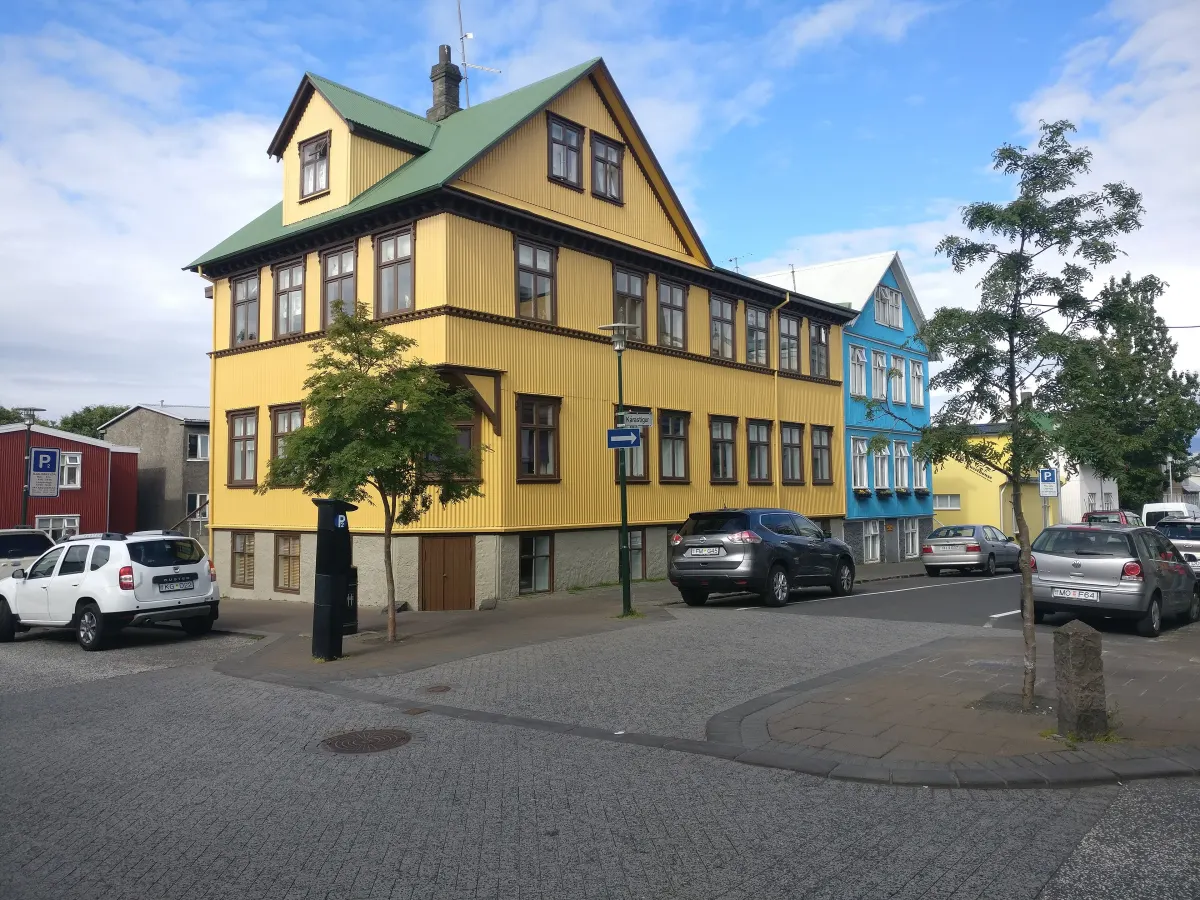
- The lodging tax is 800 krónur a night for each hotel or guesthouse room, and 400 for a pitch at a campsite. It's usually in the price, but check. The 2027 budget proposes a rise of about 5%.
- A nature pass from May 2027? The government has drafted a law for a pass for Geysir, Gullfoss and Þingvellir: 4,500 krónur for a year, or 3,000 from November to May, for people over 18 who don't pay tax in Iceland. It would replace parking fees there. In November 2026 it hadn't passed, and there were legal objections. Look before you go.
- Prices include VAT, at 24%, or 11% on food, books and beds. You can have some of it back on things you take home, if you spend enough in one shop: ask for the tax-free form, and get it stamped before you check in your bags.
Tipping
Service is in the price, and nobody expects a tip. Guides and drivers are pleased with one, and don't ask.
How to spend less
- Shop at Bónus, Krónan or Prís. Petrol stations and 10-11 shops are far dearer. See Food.
- Sleep where there's a kitchen. Guesthouses often have one.
- Eat out at lunch. The soup of the day comes with bread, and often a second bowl.
- Drink the tap water. Buying it in bottles is a joke on visitors.
- Buy alcohol at the airport on the way in.
- Come in April, May, September or October. Cars cost half as much as in July.
- Swim in town pools instead of lagoons. Nearly all the waterfalls are free, apart from the parking.
Comments