
Food in Iceland: lamb, fish, skyr, hot dogs, odd old foods, supermarkets and eating out for less
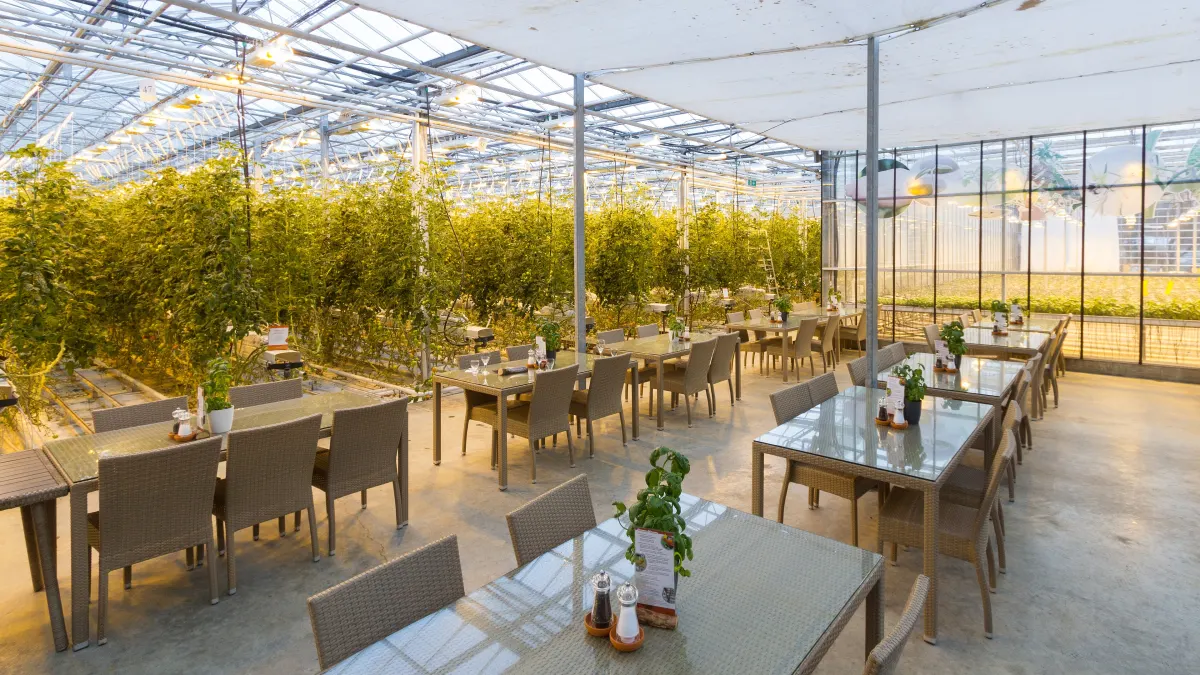
Icelandic food is simple and very fresh: lamb that spent the summer in the hills, fish from the same morning, dairy, and vegetables from greenhouses heated by the ground. It's dear in restaurants and reasonable in a supermarket.
What to try
- Kjötsúpa, lamb and vegetable soup, at any roadside café.
- Plokkfiskur, mashed fish and potato, with dark sweet rye bread (rúgbrauð), sometimes baked in hot ground.
- Arctic char, cod, ling and haddock, langoustine at Höfn, and mussels in Breiðafjörður.
- Skyr, thick and mild, with cream and bilberries.
- A pylsa, the lamb hot dog, með öllu (with everything): try Bæjarins Beztu, or any petrol station.
- For sweet things, kleina, a twisted doughnut, snúður, a big iced bun, and liquorice in chocolate. Ice cream is eaten in all weathers.
- Harðfiskur, dried fish with butter: the best snack for a car.
Odd old foods
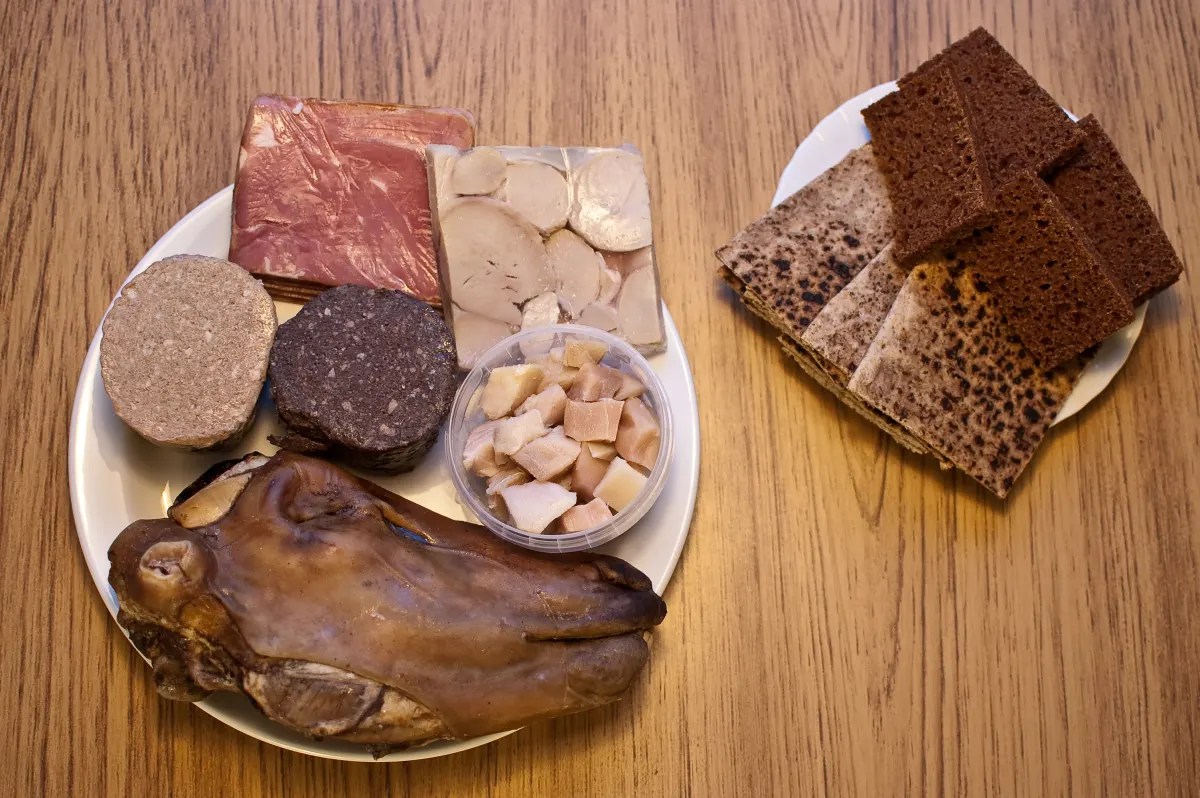
- Hákarl, fermented shark, sour ram's testicles and singed sheep's head are the food of Þorrablót, the midwinter feasts from late January to late February. Icelanders don't eat them daily, and nor need you.
- Whale is sold mostly to visitors. Most Icelanders rarely eat it. Hunting began again in 2026, and the government said it would propose a ban. It's against the law to take whale products home to the UK, the US and the EU.
- Puffin is on a few menus. Their numbers have fallen a lot.
Vegetarian and other diets
Reykjavík and Akureyri have plenty for vegans and vegetarians. In the country it may be the soup, if the stock is meatless, a burger or pizza. Menus list allergens, and staff know them. Halal and kosher food is scarce outside Reykjavík, though there's plenty of fish.
Supermarkets
- Bónus (the pink pig), Krónan and Prís are cheapest. Nettó is next. Hagkaup is larger and dearer, with some shops open all night. Small shops at petrol stations and 10-11 can cost double.
- Shops often open at 10 or 11 am and close by 6 to 8 pm in the country. Stock up before the east coast and the Westfjords.
- Bring a bag. Cans and bottles carry a deposit: leave yours in a collecting bin.
Eating out
- Lunch menus and soup are the bargains. Dinner is early, from 6 pm, and country kitchens close at 9.
- Book in Reykjavík at weekends, and at small places such as Vík, Höfn and Seyðisfjörður in summer.
- Food halls (mathöll) such as Hlemmur and Grandi in Reykjavík suit groups. Friðheimar, on the Golden Circle, serves tomato soup among the plants.
- Petrol stations are proper cafés here, with burgers, soup and toilets.
Coffee and water
Coffee is strong and often refilled free. Tap water is among the best in the world. The hot tap may smell of sulphur, like eggs. It's harmless for washing, but let the cold tap run before you drink.
See also Alcohol.
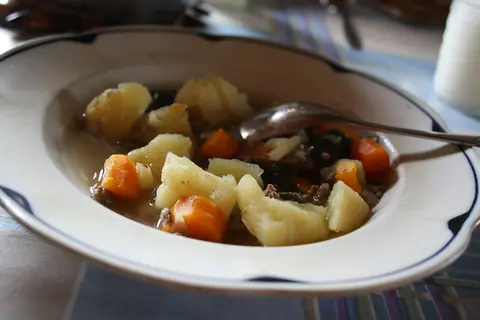
Kjötsúpa (Icelandic lamb soup)
Hearty lamb soup with root vegetables, the classic Icelandic comfort food.
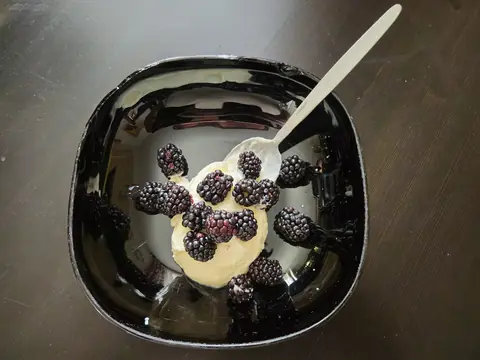
Skyr
A thick, high-protein cultured dairy product like yoghurt, made in Iceland since Viking times.
Bæjarins Beztu Pylsur, Reykjavík
Iceland's famous hot dog stand, open since 1937.
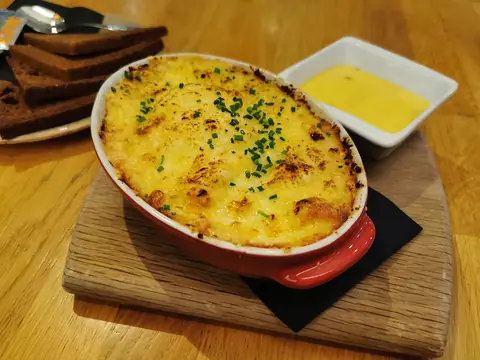
Plokkfiskur
Fish stew of cod or haddock mashed with potatoes, onion and white sauce, served with dark rye bread (rúgbrauð) and butter.
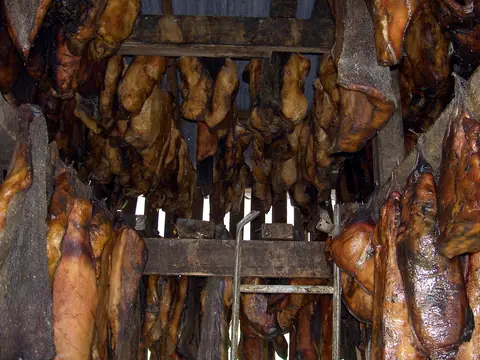
Hákarl (fermented shark)
Greenland shark, fermented and hung to dry for months, with a strong ammonia smell.

Comments