
Hiking in Austria: the best areas, mountain huts and how to book them, prices, the Alpine Club, paths and what to bring
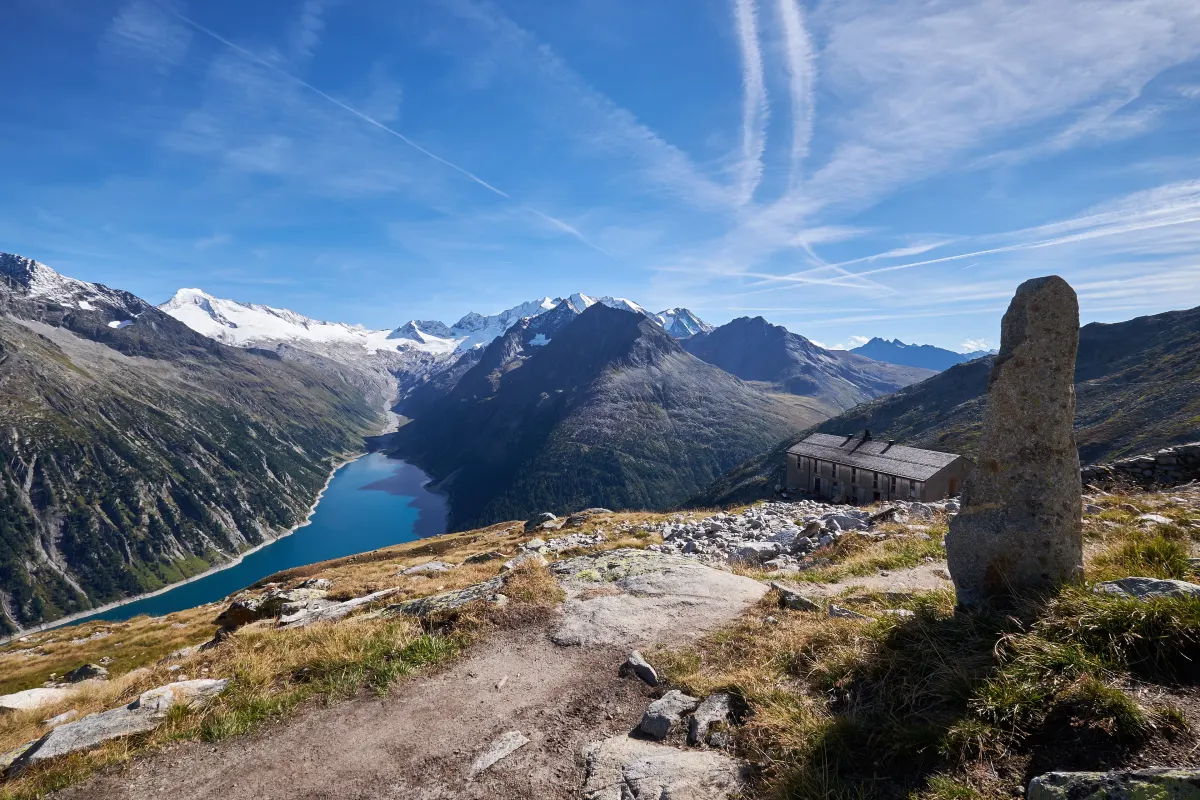
Austria has tens of thousands of kilometres of marked paths, and hundreds of huts (Hütten) with beds, hot dinners and beer, a day's walk apart. You can stroll between cafés by cable car, or cross a mountain range with a small bag.
When
- Below 1,500 m: May to October. At 1,500 to 2,200 m: June to early October. Higher: mid-June or July to late September.
- Huts open from about mid-June to the end of September. September is calmest and clearest.
- Summer cable cars run from late May or June to early or mid-October.
Where
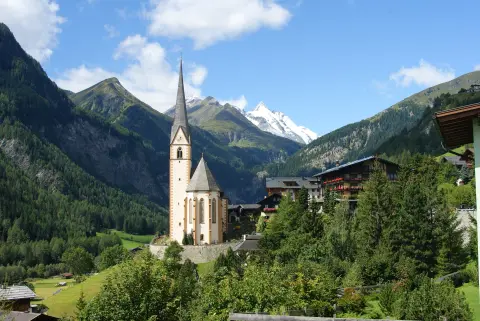
- Hohe Tauern: the biggest national park in the Alps, with glaciers, the Grossglockner, and free-ranging ibex. Stay in Heiligenblut, Kals, Matrei or the Zillertal.
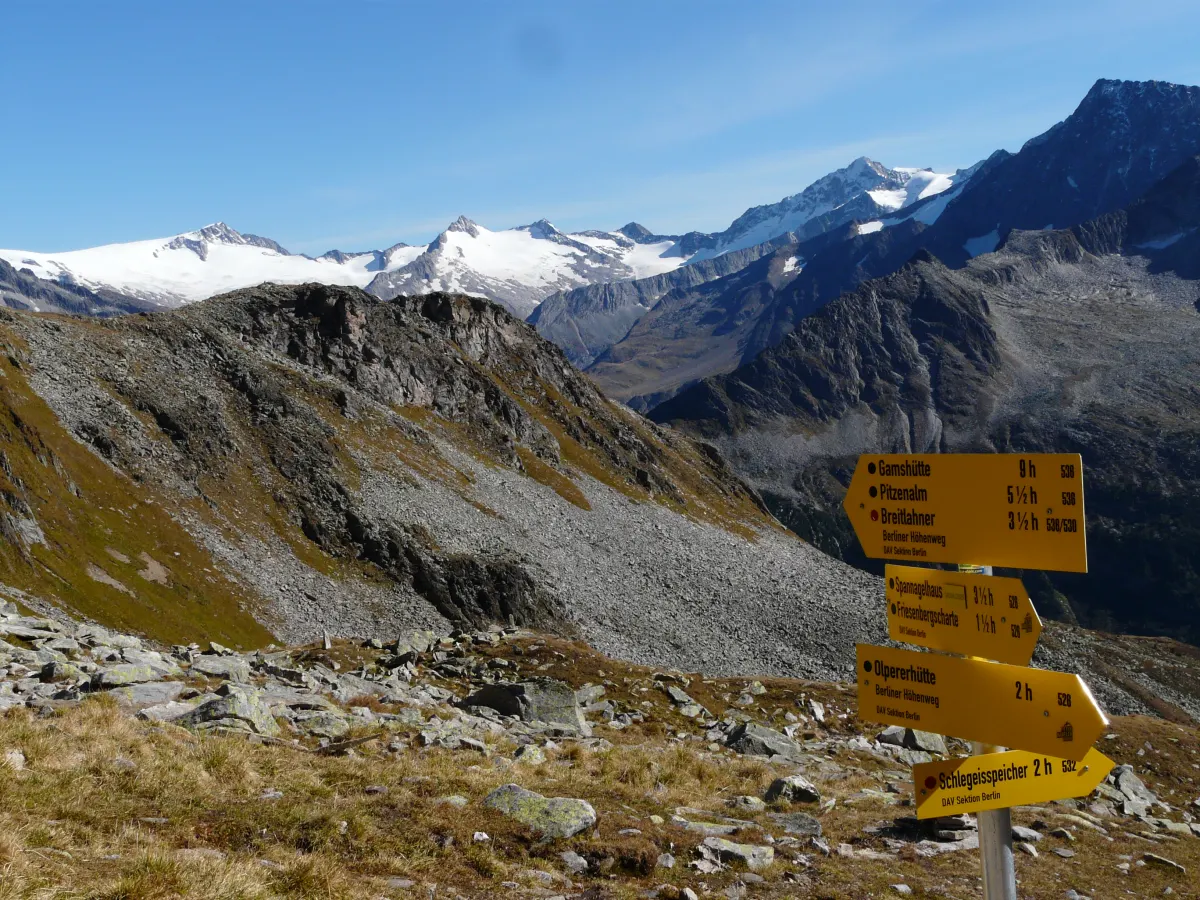
- Stubai and Zillertal Alps: classic hut-to-hut rounds, the Stubaier Höhenweg and Berliner Höhenweg, about a week each, steep and exposed in places.
- Karwendel and Wilder Kaiser: pale limestone walls above green alps, near Innsbruck and Kufstein. The Adlerweg (Eagle Walk) crosses all Tyrol.
- Salzkammergut: lakes and the Dachstein. The Schafberg for a view without effort. See the itinerary.
- Gesäuse: wild, steep and little known. Kalkalpen: deep forest, for quiet days.
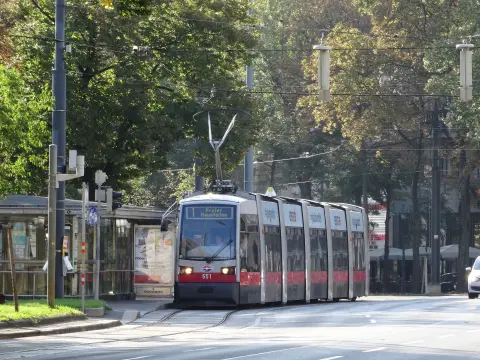
- Easier and lower: the Wachau World Heritage Trail above the Danube, the Thayatal, the Donau-Auen, and the Vienna Woods by tram.
- Salzburger Almenweg and the Alpe-Adria Trail, from the Grossglockner to the sea at Trieste: long, with valley nights.
How a hut works
- Arrive by about 5 pm, and tell the warden you're there. Boots off at the door: bring or borrow slippers.
- You sleep in a small room (Zimmer) or a dormitory (Lager) with blankets. A sheet sleeping bag is compulsory. Some ban backpacks upstairs because of bedbugs.
- Dinner is at a set time, often as half board. Breakfast is from 6 or 7. Members can order the cheap Bergsteigeressen. You may eat your own food in many, but not cook.
- Lights out at 10 pm. Bring ear plugs.
- Wash in cold water. A shower, where there is one, costs a few euros. Bring cash, and carry your rubbish down.
- Write your name and next goal in the hut book: rescuers look there.
Booking and prices
- Book, weeks ahead for a Saturday in July or August, and months for famous rounds. Many use the Alpine Clubs' site hut-reservation.org, others phone or email. Some ask for a deposit.
- Cancel if you won't come, or you may be charged, and people may start searching.
- Nobody in distress is turned away, but don't count on a floor.
- At Alpine Club huts members pay at least €12 less. One example, the Pfeishütte near Innsbruck, in 2026: a dormitory place €15 for members and €36 for others; in a room €20 and €40. Half board is about €40 to €50 more.
The Alpine Club
- Anyone may join the Alpenverein (ÖAV), through any branch, online, or through its British section, Alpenverein Austria UK. It pays for itself in about four or five nights, and works in German, Italian, Swiss and other clubs' huts too.
- Membership includes worldwide rescue and accident insurance. Read the terms for your own country and height.
- It runs for a calendar year. If you join after 1 September and pay for next year, the rest of this one is free.
Water
In the hot, dry summer of 2026 about a third of the German Alpine Club's huts, many of them in Austria, ran short of water for a time. Carry enough for the day, expect no showers, and check the hut's site.
Paths and rules
- You may walk in any forest, but not camp there. Sleeping out is banned or restricted nearly everywhere, and strictly in national parks. An unplanned bivouac in an emergency is allowed.
- Paths are graded blue, red and black: see Safety in the mountains, also for storms and cows.
- Keep dogs on a lead, above all near cattle. Not every hut takes them overnight.
- No fires, no flower-picking, and drones only with permission.
What to bring
Boots with a good sole, worn in. Waterproof jacket and trousers, a warm layer, hat and gloves, even in August. Poles, sun cream, two litres of water, food, a first aid kit with blister plasters, a headlamp, a power bank, and a paper map (Alpenverein, Kompass or Freytag-Berndt). See Health about ticks.
Hohe Tauern National Park
The Alps' largest national park, with the Grossglockner, Austria's highest mountain, the Pasterze glacier and Krimml Waterfalls.
Gesäuse National Park
Limestone peaks rising above the wild Enns river gorge, good for hiking, climbing and rafting.
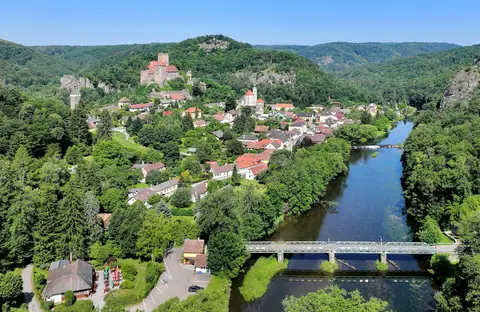
Thayatal National Park
A meandering river valley with forest, wildcats and castle ruins, shared with the Czech Podyjí park.
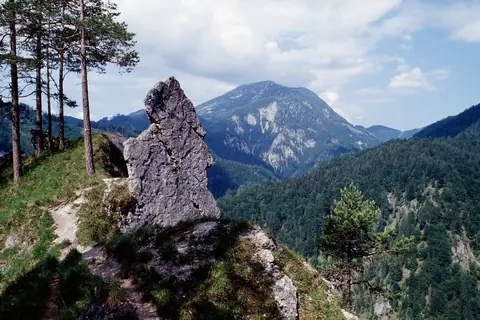
Kalkalpen National Park
Austria's largest forest area, a World Heritage beech forest, with caves, gorges and quiet trails.
Comments