
Buses and city transport in Austria: Vienna, Salzburg, Innsbruck and Graz, guest cards, Postbuses, taxis and bikes
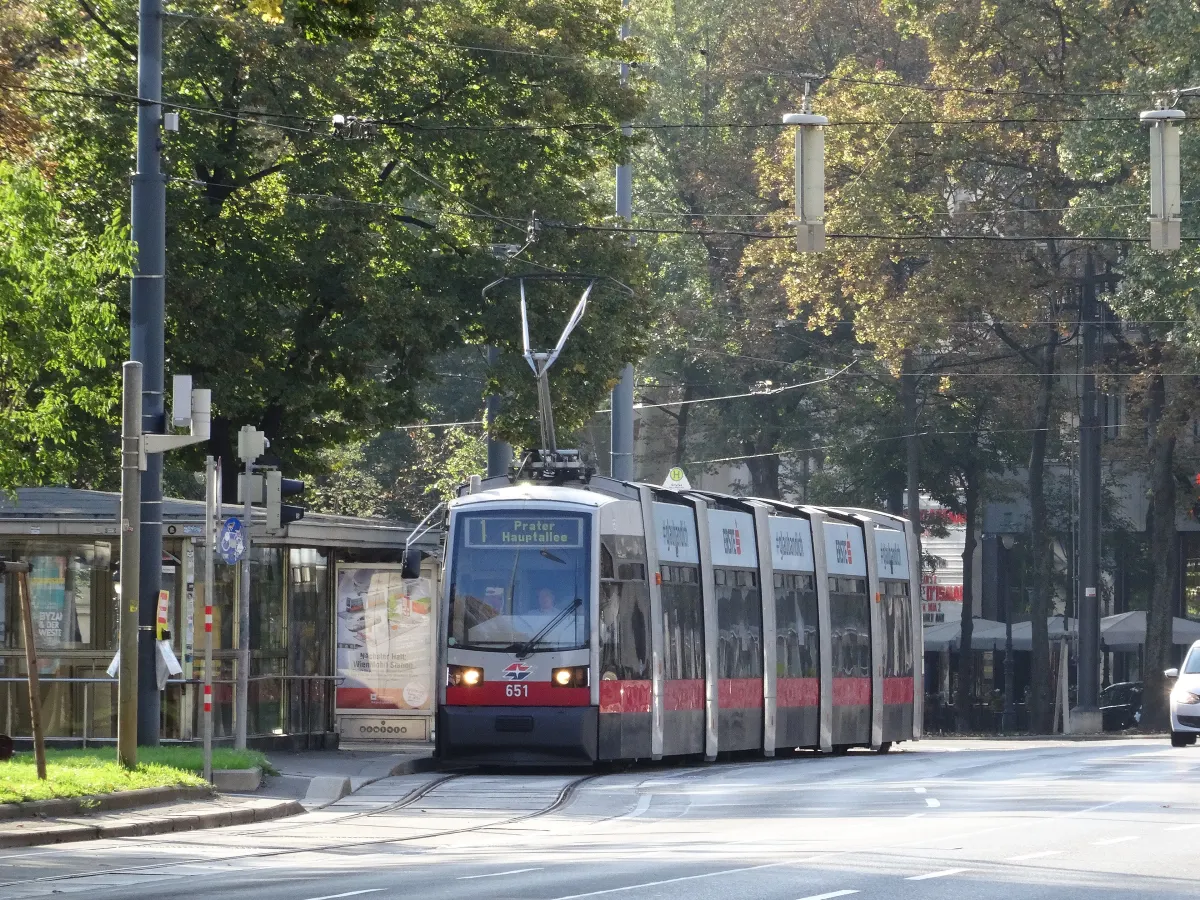
Vienna has one of Europe's best city networks, and buses climb to the last village of almost every valley. In many places a night in a hotel makes them free.
Vienna
- One ticket covers the U-Bahn, trams, buses and S-Bahn within the city. There are no gates. On Friday and Saturday nights the U-Bahn runs all night, and night buses run every night.
- Single ticket: €3.00 on your phone or €3.20 on paper in 2026, and €3.10 or €3.30 from 1 January 2027. It's for one trip in one direction, with changes.
- 24 hours: €10.20 in 2026, and a few percent more in 2027. The 48 and 72-hour tickets were abolished in January 2026. If you're staying longer, compare the 7-day ticket, which beats three day tickets.
- The Vienna City Card adds discounts at sights: €19 for 24 hours, €31 for 48, €37 for 72 and €39 for 7 days. It seldom pays unless you use the discounts.
- Digital tickets in the WienMobil app or shop are about 5% cheaper than paper.
- Stamp a paper ticket in the blue box before you board, or at the U-Bahn entrance. Tickets bought before a price rise stay valid for six months.
- Being caught without one costs €140 from January 2027, at once or by payment slip, and more if you delay.
Vienna's S-Bahn is cut in two
From 7 September 2026 to the end of October 2027 there are no trains between Praterstern and the main station, nor at Wien Mitte on this line. Use the U1 between them. Airport trains start from the main station: see Arriving. Trams and buses that replace it are crowded at rush hour.
Other cities
Fares reported in autumn 2026. Check before you go, as most rise each year:
- Salzburg: trolleybuses. A single is €2.60 and 24 hours €5.40 from 2027. It's a small city: you can walk nearly everywhere.
- Innsbruck: trams and buses. A single is €3.30 and a day €7.30. The Innsbruck Card (€69 for 24 hours, €79 for 48, €89 for 72) includes transport, the Nordkette cable car and Swarovski Crystal Worlds.
- Graz: 24 hours is €7. Trams are free in the old town zone between Hauptplatz and Jakominiplatz.
- Linz: a single is €3.20 and a day €6.40. The Pöstlingberg tram costs extra.
Guest cards: often free
- Salzburg state: everybody who stays overnight gets the Guest Mobility Ticket. It covers all public transport in the state, including long-distance trains, for your whole stay. You pay €0.50 a night with the tourist tax. Ask your hotel for it before you arrive and it covers the trip in, from the first stop in the state.
- Tyrol: each region has its own. The Welcome Card Innsbruck comes with a stay of two nights or more, and the Kitzbühel Alps and Wilder Kaiser areas include local buses and some regional trains, but not Railjets. Ask what yours covers.
- Vorarlberg, Carinthia and parts of Styria and the Salzkammergut have cards too. Some cost extra and include cable cars.
Country buses
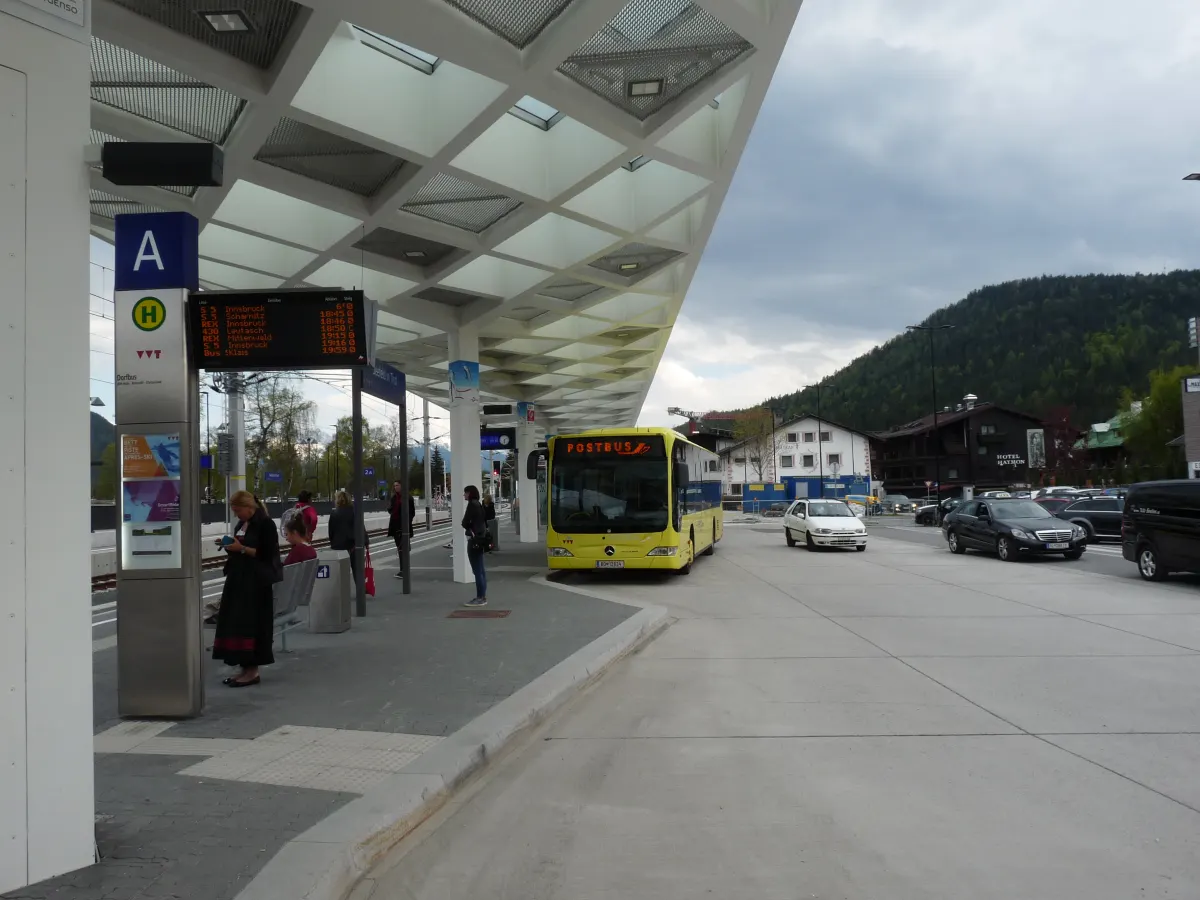
- Postbus and other companies meet the trains at most stations. Buy from the driver, by app or at a machine. Cards are accepted more and more, but have some cash.
- Times are on SCOTTY (ÖBB's planner) and each region's own app. Buses thin out in the evening, at weekends, and outside the school term: look for "Schultag" notes.
- In ski areas the ski bus is usually free with a lift pass.
- FlixBus and RegioJet link Vienna with Graz, Salzburg, Prague, Budapest and beyond.
Taxis
- At ranks, by phone, or with Uber, Bolt and other apps in the big cities. In Vienna the app can offer a fixed price within a range set by law.
- From Vienna airport, agree a fixed price in advance. See Tipping.
Bikes and e-scooters
- Vienna's share bikes are called WienMobil Rad. The Danube Cycle Path through the Wachau is Austria's favourite ride.
- Since 1 May 2026, under-14s need a helmet on an e-bike and under-16s on an e-scooter. On a scooter the alcohol limit is 0.5, and you mustn't ride on the pavement.
See also Trains.

Prater and the Giant Ferris Wheel, Vienna
The Giant Ferris Wheel (Riesenrad), built in 1897, turns slowly in the Prater amusement park, its red wooden cabins rising 65 m over Vienna.

Melk Abbey and the Wachau Valley
A magnificent baroque Benedictine abbey on a rock above the Danube, with a gilded church and a stunning library.
Comments