
Safety in Austria's mountains: avalanches, weather, glaciers, cows, rescue and who pays
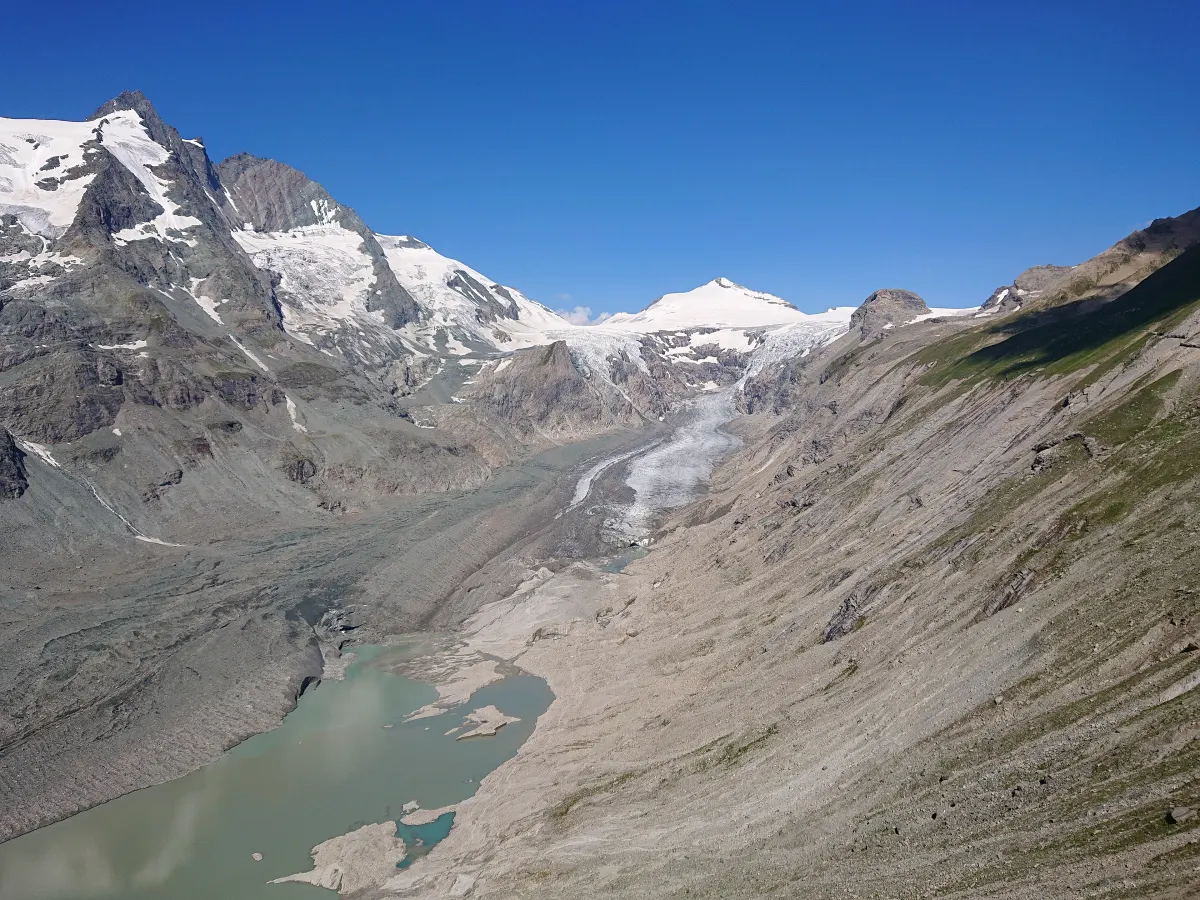
Cable cars and well-marked paths make it easy to go high here, and easy to forget where you are. In summer 2026 (1 May to 13 September), 2,742 people had accidents while hiking, climbing or on glaciers, well above the average, and 62 died. The winter before, 30 people died in avalanches, against an average of about 16.
Call for help
- 140: mountain rescue (Bergrettung). From outside Austria, or if you aren't sure where you are, 112, which works on any network.
- Say where, what happened, how many are hurt, the weather, and whether there are cables or wires near. Then keep the phone free.
- The SOS EU ALP app sends your position in Tyrol, South Tyrol and Bavaria.
- No signal? The alpine distress signal is six calls, whistles or flashes a minute, then a minute's pause, and again. The answer is three a minute.
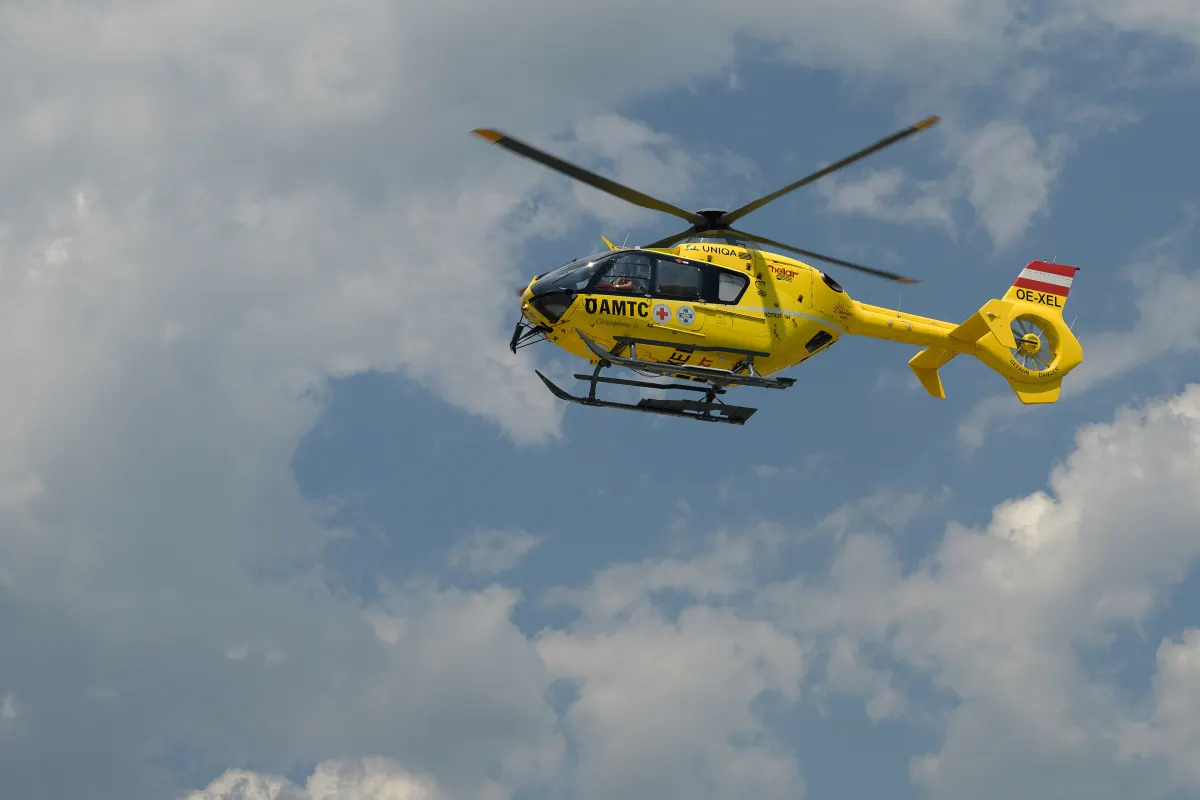
- To a helicopter, both arms up in a Y means yes, we need help. One arm up and one down, like an N, means no.
Who pays
- In Austria you do. Mountain rescue charges by the hour, and a helicopter for a sports accident can cost €5,000 to €6,000 for 40 minutes. A European health card doesn't cover it.
- Check that your travel insurance covers the sport, the height, off-piste skiing, search and helicopter rescue. Some policies exclude skiing at high avalanche levels.
- Becoming a supporter of the Bergrettung (about €36 a year) covers search and rescue costs up to €25,000. Alpine Club membership includes insurance too: see Hiking and huts.
Avalanches
- Read the day's report for your state at lawinen.at, in English, published each evening in the season. It covers open slopes: marked, open pistes are checked by the resort.
- The scale: 1 low, 2 moderate, 3 considerable, 4 high, 5 very high. Most deaths happen at 3, when the sun is out and the snow looks perfect.
- Off the piste, each person needs a transceiver, shovel and probe, and to know how to use them. Of 26 people killed by late February 2026, eight had no transceiver. Go with a guide, one at a time on a slope, and turn back without shame.
- Never duck under a rope, pass a yellow and black sign, or ski a closed run. In the evening, piste machines work on steel cables you can't see.
- Follow only tracks you understand. Old ones prove nothing.
Summer weather
- Thunderstorms build from early afternoon. Start at dawn, and be off ridges, summits and Klettersteige (fixed cable routes) by 1 or 2 pm. If caught, get away from cables, lone trees and peaks, and crouch.
- It can snow in July above 2,000 m. Carry a warm layer, a waterproof, a hat, gloves and a headlamp.
- Old snow lies on north slopes until July. It's hard as ice in the morning. Turn round rather than cross a steep patch in trainers.
- Heat dries up springs: carry two litres. Thawing permafrost sets off rockfall, so some classic routes are now closed or unsafe by mid-summer. Ask at the hut.
Paths
- Signs are yellow, with times, and paths are marked red-white-red. The dot gives the difficulty: blue easy, red medium, narrow and steep in parts, black difficult, exposed, with places where you need your hands. In some states only.
- Slips on easy ground, tiredness and heart trouble are the usual causes. Half of those killed in summer were hikers. Wear proper boots, use poles going down, and eat and drink.
- Check the last cable car. Tell the hotel where you're going.
- Don't trust an app's route: look for recent comments and the grade, and ask locally.
Glaciers
Nineteen people fell into crevasses in summer 2026, nearly three times the average, as heat thinned the snow bridges. Don't step onto a glacier without a guide, a rope and the kit, even one beside a car park or a lift station such as the Pasterze.
Cows
- Cattle graze across paths all summer. Mother cows defend calves, and most attacks involve a dog. Keep it on a short lead, go round the herd with plenty of room, and don't touch or feed the animals.
- Lowered head, staring, pawing: walk away calmly, without turning your back. If a cow charges, let the dog go: it runs faster than you.
- Close every gate.
Animals, plants and bikes
Adders live on sunny slopes and bite only if trodden on. See a doctor. Ticks are the bigger danger: see Health. Mountain bikes are allowed only on signed routes.
See also Skiing and Hiking and huts.
Hohe Tauern National Park
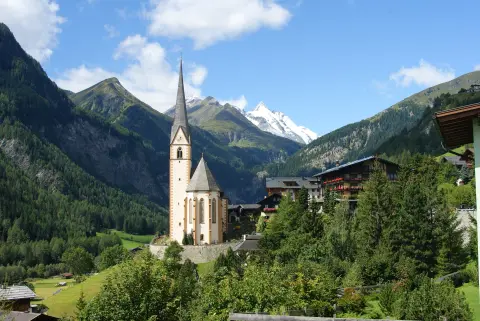
The Alps' largest national park, with the Grossglockner, Austria's highest mountain, the Pasterze glacier and Krimml Waterfalls.

Grossglockner High Alpine Road
A spectacular toll road over the Alps, 48 km with 36 hairpin bends, climbing to 2,504 m, built in the 1930s.
Gesäuse National Park
Limestone peaks rising above the wild Enns river gorge, good for hiking, climbing and rafting.
Comments