
Health and insurance in Austria: doctors, hospitals, pharmacies, GHIC and EHIC, ticks, heat and altitude
Medical care is excellent, and close at hand even in ski valleys. It isn't free for visitors, and a mountain rescue almost never is, so bring insurance. The one health risk that's bigger here than in most of Europe is the tick.
In an emergency
- 144 for an ambulance, or 112. In the mountains, 140.
- 1450: the health line, round the clock. Nurses tell you whether to see a doctor, and where. Many speak English.
- 141: the doctor on duty at night and weekends, in most states.
- Hospital emergency departments (Notaufnahme or Ambulanz) see everyone, the sickest first. Take your passport, insurance papers and card.
Insurance
- EU and EEA visitors with an EHIC, and UK ones with a GHIC (or an older EHIC), get necessary state care on the same terms as Austrians: usually free at a contract doctor, with a small daily charge in hospital.
- The card isn't insurance. It doesn't cover mountain rescue, helicopters, private clinics or a flight home. Many clinics in ski resorts are private, and will ask for a credit card before they treat a broken leg.
- Everyone else pays, and claims it back. Check that your policy covers winter sports and hiking at the height you'll reach. See who pays for rescue.
Seeing a doctor
- A Kassenarzt (alle Kassen on the door) takes the state card. A Wahlarzt is private: you pay, often €80 to €200, and it's quicker.
- A GP is a praktischer Arzt. Ring first. Many close on Friday afternoon, and for holidays.
- Your hotel or embassy can name one who speaks English.
Pharmacies and medicines
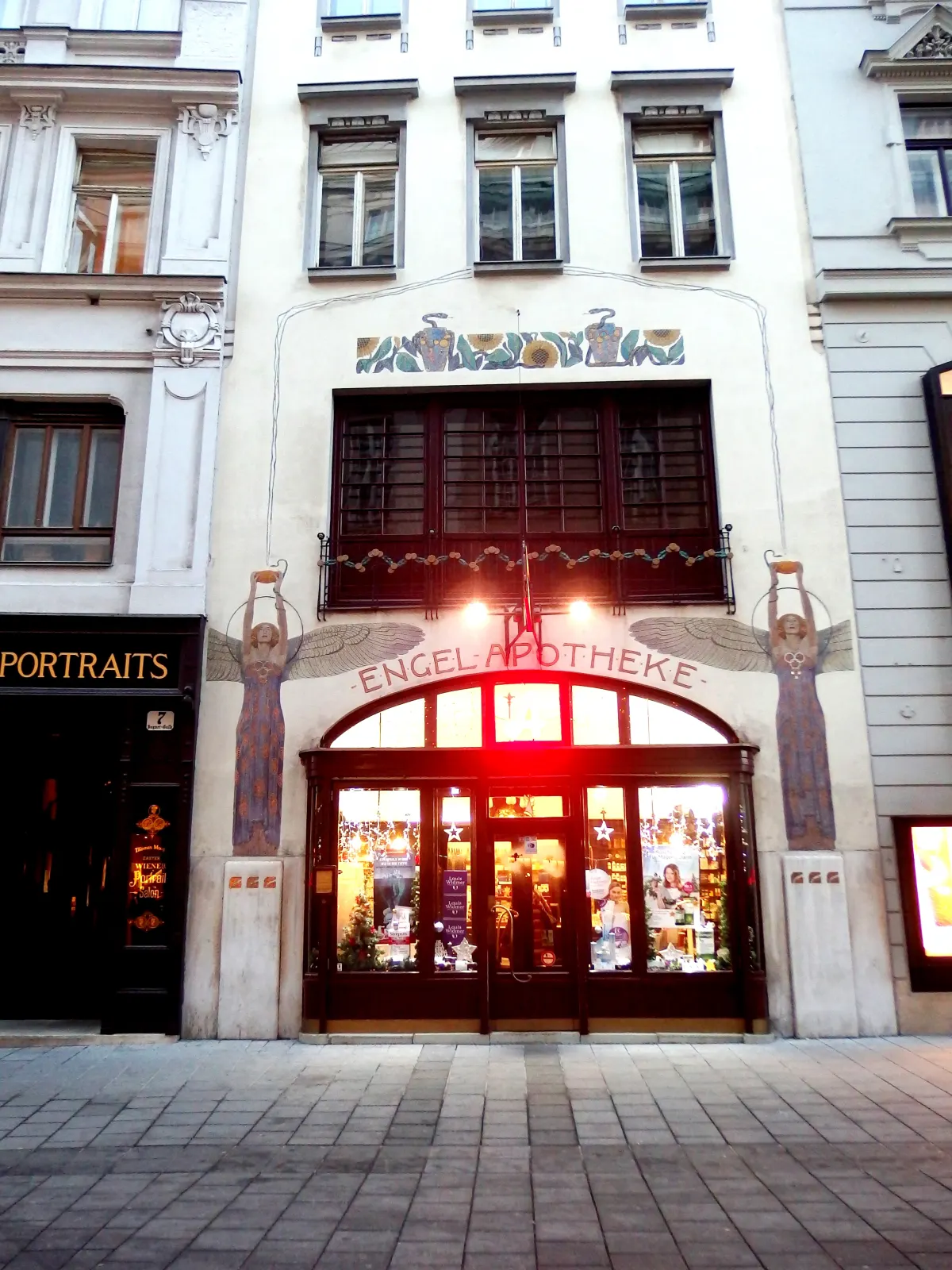
- Look for Apotheke and a red A with a snake. They sell everything, paracetamol and ibuprofen included: supermarkets don't. Drugstores (dm, Bipa) have plasters, vitamins and sun cream.
- Open about 8 to 6 on weekdays and Saturday morning. Outside those hours one nearby is always on duty: a notice on the door says which. Ring the bell, and pay a small extra fee.
- Bring prescription medicines in their boxes, with a letter. For strong painkillers, ADHD medicine or sedatives, check the rules with the embassy. From a Schengen country, a certificate from your doctor is used.
Ticks
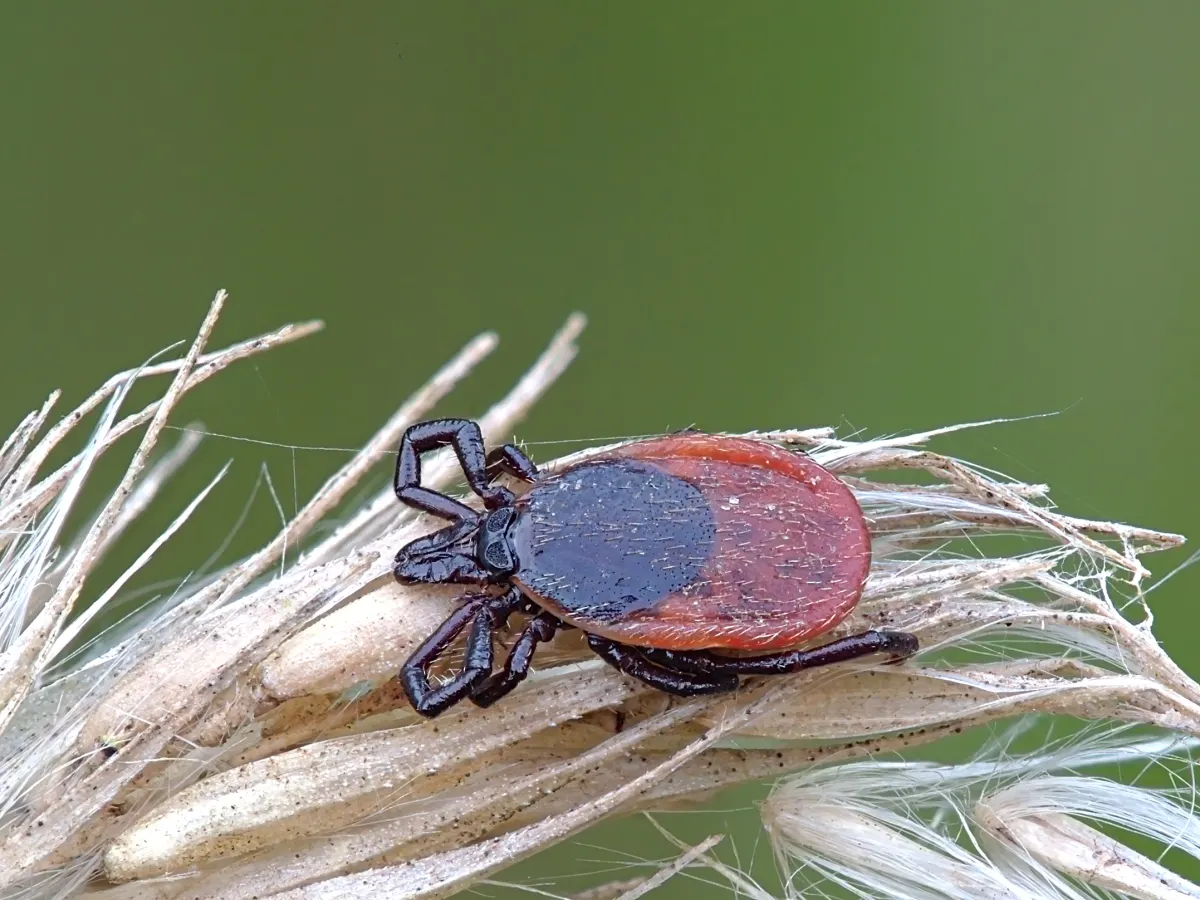
- Austria is one of the countries in central Europe most affected by tick-borne encephalitis (TBE, in German FSME), a virus that can inflame the brain. There were 155 confirmed cases by mid-September 2026, against 132 in all of 2025. Upper Austria (65), Tyrol (28) and Salzburg (19) had the most. Ticks live in grass and woods all over the country, up to about 1,500 m and rising, from March to November.
- There's a vaccine. Most Austrians have it, and about 85% of those who fell ill weren't vaccinated. If you'll hike, camp, cycle or stay a while, ask your doctor at least a month or two ahead. A fast course takes a few weeks.
- Ticks also carry Lyme disease, which no vaccine prevents, but antibiotics cure. See a doctor about a growing red ring, or fever, in the weeks after.
- Wear long trousers and repellent, and check yourself each evening, behind the knees, in the groin and hair. Pull the tick straight out, with tweezers, at once. Don't use oil.
- Avoid raw (unpasteurised) goat's and sheep's milk at alpine farms: it can carry TBE.
Other infections
- West Nile virus, spread by mosquitoes, turns up in the east each late summer. The first human cases of 2026 were confirmed by mid-September. Use repellent in the evening near water. Asian tiger mosquitoes have settled in Vienna.
- Measles comes back in outbreaks. Check that you've had two doses.
- Bats can carry rabies. Don't handle one. Foxes no longer do.
Height, sun and heat
- Cable cars go from a valley to over 3,000 m in half an hour. A headache and breathlessness are common. Come down if it gets worse. People with heart or lung trouble should ask their doctor.
- Sun on snow burns lips, chin and eyes. Use factor 50 and proper sunglasses.
- Heatwaves pass 35 °C in Vienna. Take a room with air conditioning, or a fan.
Water and food
Tap water is among the best in the world: Vienna's comes by aqueduct from the Alps. Fountains are safe unless marked Kein Trinkwasser. Don't drink from streams below cattle. Lakes are clean enough to swim in, and nearly clean enough to drink.
See also Safety in the mountains.
Comments