
When to go to Austria: the seasons, weather in Vienna and the Alps, festivals, school holidays and heat
There's no bad time for Vienna. For the mountains there are two seasons, mid-June to late September and mid-December to Easter, and between them many hotels, huts and cable cars close.
Month by month
- January: cold and quiet once the holidays end on the 6th. Good snow, lower prices, and Vienna's ball season.
- February: the peak of skiing, dear and full for three weeks of school holidays.
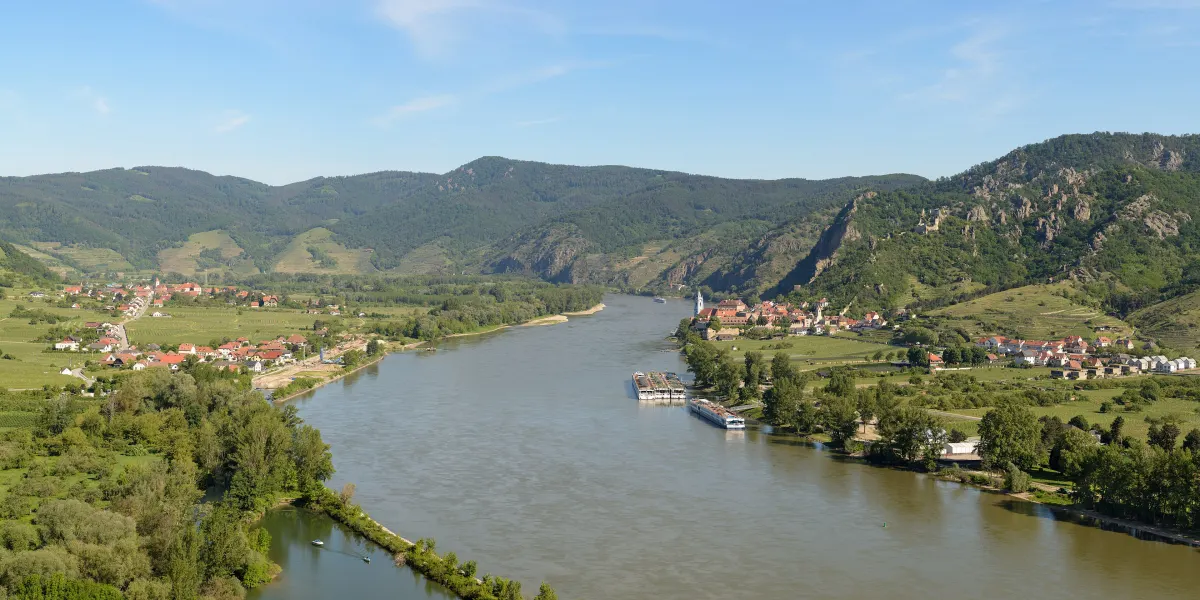
- March and April: sun and spring snow up high, slush below. Easter (28 March in 2027) ends the season in lower resorts. Blossom in the Wachau in early to mid-April.
- May: green and fresh, and lovely in the cities and by the lakes. Snow lies above about 1,800 m. The Grossglockner road opens.
- June: long days, full waterfalls (Krimml is at its best) and alpine flowers. High huts open from mid to late June.
- July and August: warm, with afternoon storms in the mountains. Lakes reach 20 to 26 °C. Busy, and some Vienna theatres and the State Opera are closed.
- September: the best month of all for walking: settled, clear and quieter. Grape harvest and the first Sturm. Cattle come down decorated with flowers.
- October: gold larches and vineyards. Huts close in the first half of the month. Snow can fall any time.
- November: grey and quiet in the Alps, with most lifts shut. Goose dinners for St Martin's (11th). Christmas markets open from the second week.
- December: markets to the 23rd or later, then ski crowds and the dearest week of the year.
The weather
- Vienna and the east are dry and continental: about 0 to 3 °C on a January day, and 27 in July. Wind is common. Neusiedler See has the most sun in the country.
- Salzburg and the northern edge of the Alps catch the rain. Salzburg's is so fine and so frequent that it has a name, Schnürlregen. Bring a jacket, whatever the forecast.
- Innsbruck is drier, with the Föhn, a warm, strong wind from the south that melts snow and gives people headaches. Cable cars stop.
- Carinthia, south of the Alps, is sunny, with the warmest lakes.
- Temperatures fall by about 6 °C for each 1,000 m you climb.
Hotter summers
Summer 2026 was the hottest in some 260 years of measurements, 2.6 °C above the 1991–2020 average, and among the driest. 41.2 °C at Bad Deutsch-Altenburg on 5 August is the national record. If that worries you, go in May, June or September, or sleep above 1,000 m. Some huts ran short of water: see Hiking and huts.
School holidays in 2027
- Winter half-term: Vienna and Lower Austria from 1 February, Burgenland and Carinthia from 8 February, Salzburg and Tyrol from 15 February. German, Dutch and British holidays overlap with these.
- Easter: 20 to 29 March. Summer: from 3 July in the east and 10 July elsewhere, to 5 and 12 September.
- Long weekends round 6, 17 and 27 May fill hotels. See the public holidays.
Festivals
- New Year's Concert in Vienna: seats are by lottery, nearly a year ahead. Watch it free on a screen outside the town hall.
- Hahnenkamm downhill race, Kitzbühel, late January. Opera Ball, February.
- Vienna Festival (Wiener Festwochen), May and June. Donauinselfest, a huge free concert on the Danube island in summer.
- Narcissus Festival in the Ausseerland, around the end of May. Midsummer fires on the mountains round 21 June.
- Bregenz Festival: opera on a floating stage, mid-July to mid-August. Salzburg Festival: from mid or late July to the end of August, when rooms cost double.
- Long Night of the Museums, the first Saturday of October. Viennale film festival, late October.
- Krampus nights, about 5 December.
The gaps
From after Easter to late May, and from mid-October to early December, ski and hiking villages are half asleep, with most cable cars in revision. That's fine for cities. If you want mountains then, go by train to Innsbruck, or to a glacier ski area. Hallstatt's salt mine, the Schafberg railway and the ice caves keep their own dates.
Wildlife
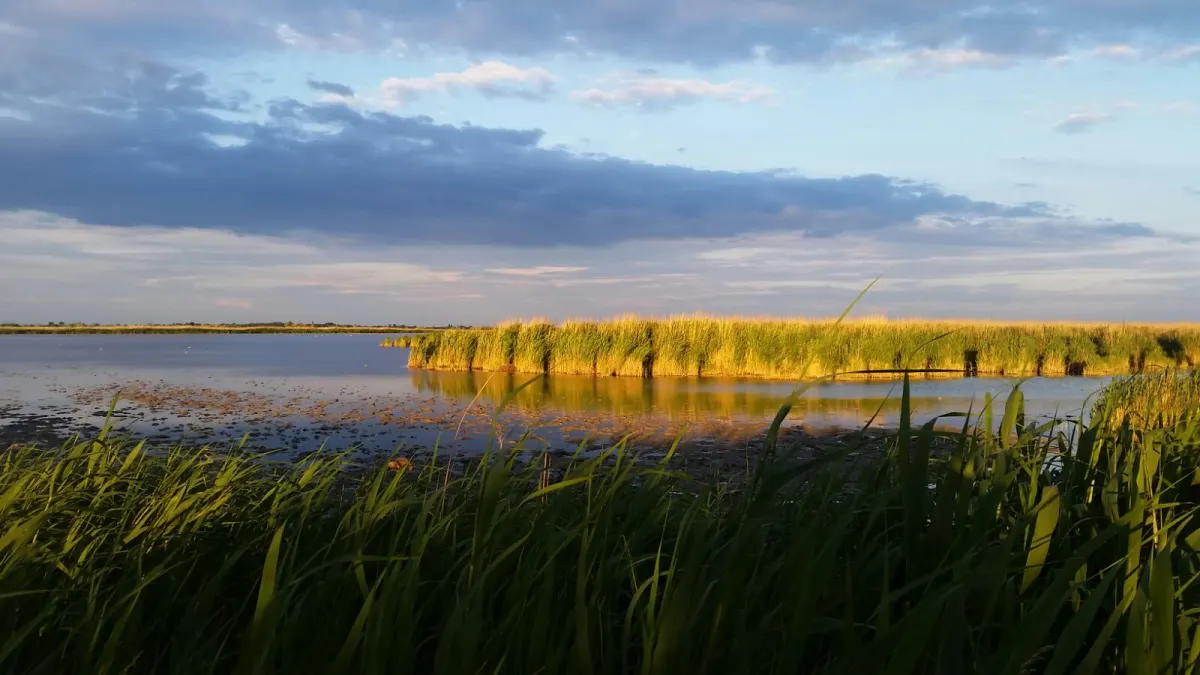
Birds on the Neusiedler See are best in April, May and September, storks from March to August, and the Danube wetlands in spring. Marmots on the Grossglockner are out from May to September. Red deer rut in late September in the Kalkalpen.
Neusiedler See
A shallow steppe lake surrounded by reeds, a World Heritage site and birding hotspot, with storks in the villages and vineyards.

Krimml Waterfalls
Austria's highest waterfalls, plunging 380 m in three stages in the Hohe Tauern National Park.
Donau-Auen National Park
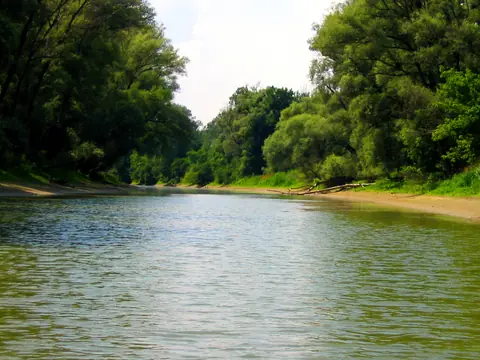
Wild Danube floodplain forest and side channels just outside Vienna, explored by boat, canoe or bike.

Melk Abbey and the Wachau Valley
A magnificent baroque Benedictine abbey on a rock above the Danube, with a gilded church and a stunning library.
Comments