
Culture and manners in Austria: greetings, titles, Sundays, dress, concerts, saunas and laws to know
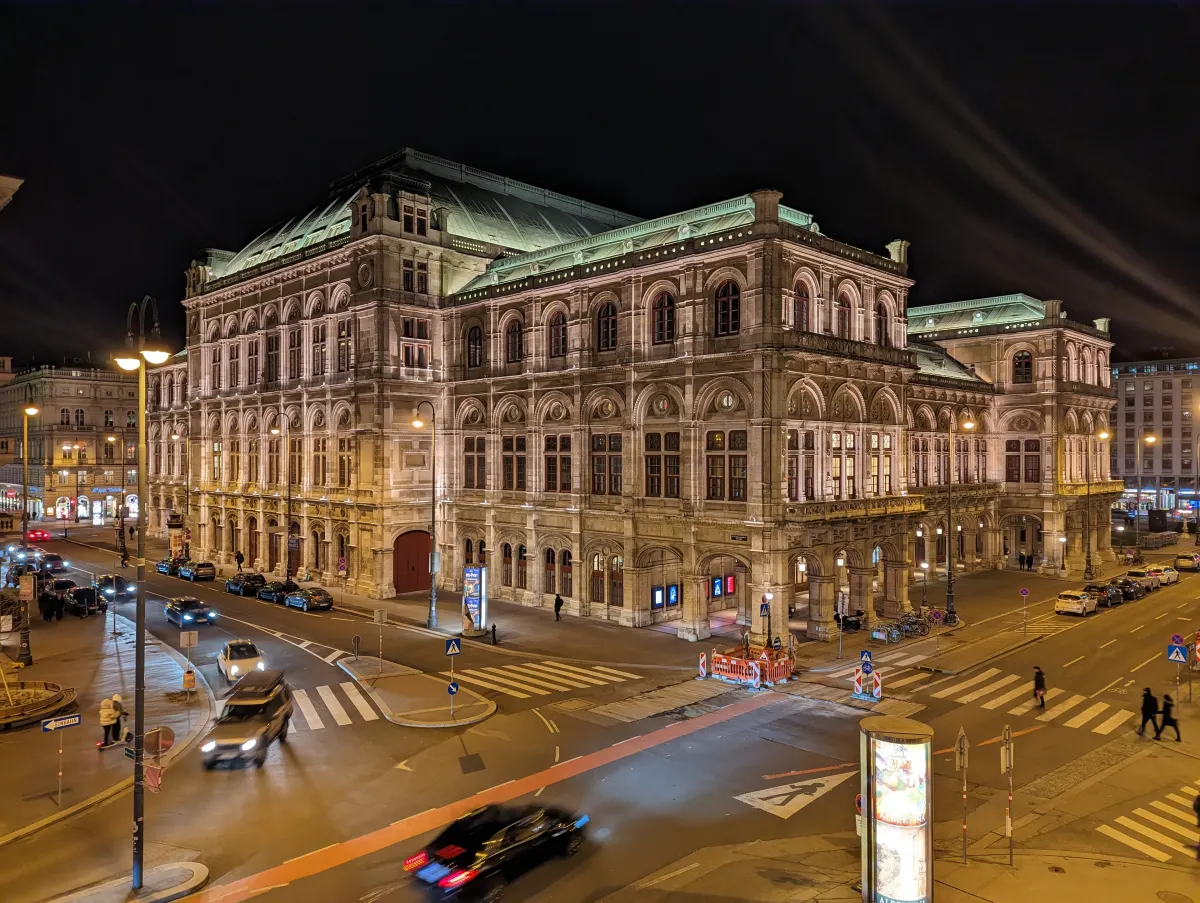
Austrians are polite, rather formal, fond of order and of complaining about it. A greeting opens every door. They're also not Germans, and will tell you so.
Greetings
- Say hello to everyone in a small shop, a lift, a waiting room, a train compartment and on a mountain path: Grüß Gott or Guten Tag. Servus is for friends, and Griaß di in the mountains, where everyone above about 1,000 m is du.
- Goodbye is Auf Wiedersehen (Wiederschaun), or Baba among friends in Vienna.
- Use Sie and the surname until you're offered du. Shake hands and look people in the eye.
- Titles matter: Frau Doktor, Herr Magister, Herr Professor.
- Mahlzeit is said from late morning to everyone you meet, hungry or not.
- English is widely spoken. A bitte and a danke in German are still noticed.
Time and quiet
- Be punctual, to the minute. If you're asked home, bring flowers (an odd number, no red roses) or wine, and take off your shoes.
- Quiet hours are from 10 pm to 6 am, and often noon to 2 pm and all Sunday: no drills, loud music or lawnmowers. Keep your voice down on trains.
- On escalators stand on the right. Wait for the green man, even with no car in sight: the police do fine people.
Sundays and holidays
- Shops and supermarkets close on Sundays and public holidays, and on Saturdays at 6 pm, or earlier in villages. Stations, airports, petrol stations, bakeries and some tourist towns are the exception. Restaurants, museums and ski lifts are open.
- Public holidays in 2027: 1 and 6 January, 29 March (Easter Monday), 1 May, 6 May (Ascension), 17 May (Whit Monday), 27 May (Corpus Christi), 15 August, 26 October (National Day, when many museums are free), 1 November, 8, 25 and 26 December. On 24 December everything shuts in the early afternoon.
- Good Friday isn't a public holiday.
Dress
- People dress neatly. Dirndl and Lederhosen are worn in earnest, at weddings, festivals and Sunday mass. You may wear them too, as long as it isn't a carnival costume.
- Opera and concerts: there's no dress code at the State Opera on a normal night, but most people dress up. In the standing places, clean and tidy is fine. Leave coats at the cloakroom. The Salzburg Festival is more formal, and the Opera Ball, in February, is strict evening dress.
- Churches: cover shoulders and knees, take off your hat, and don't walk round during mass.
Balls
In January and February Vienna holds hundreds of balls, from the coffee house owners' to the confectioners'. Anyone may buy a ticket. Women wear a long dress, and men a dinner jacket or tails. Dance schools teach the left-turning waltz in an afternoon.
Sauna and swimming
- Saunas are mixed and naked in most hotels and spas. Swimwear isn't allowed. Sit on your towel, shower first, and don't stare. Textil or ladies' sessions are marked.
- At lakes, topless sunbathing is common, and FKK means nudists.
Laws that surprise people
- Covering your face in public is banned, with a fine of up to €150. There are exceptions for cold, illness, carnival and the like.
- Nazi symbols, salutes and denying the Holocaust are serious crimes, with prison terms. That includes jokes for a photo.
- Keep your passport close enough to fetch quickly if the police ask.
- Cannabis is illegal, though sold in weak CBD form in shops.
- Filming or photographing strangers close up and posting it can break privacy law. Ask. A drone needs registration and insurance, and is banned over much of the cities and national parks.
- Smoking is banned inside all bars and restaurants, and in a car with anyone under 18.
- Dogs need a lead or a muzzle in towns, and both on public transport. Clean up, with the free bags.
Things to know
- Austria lost an empire in 1918, joined Hitler's Germany in 1938, and has argued since about how far it was victim or culprit. Brass plates in Vienna's pavements (Steine der Erinnerung) name Jewish residents who were murdered.
- It's neutral, and proud of it.
- Few Austrians have seen The Sound of Music.
See also Tipping and Coffee houses.
Buildings
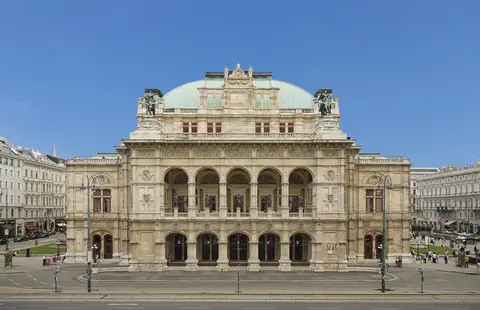
Vienna State Opera
Vienna
One of the world's great opera houses, with performances almost every night of the season.

Buildings
St Stephen's Cathedral, Vienna
Vienna
Vienna's Gothic cathedral, the symbol of the city, with a roof of coloured glazed tiles in a zigzag pattern and the eagles of the Habsburgs, and a 13…
Comments