
Staying safe in South Africa: crime, carjacking, townships, protests and what governments advise
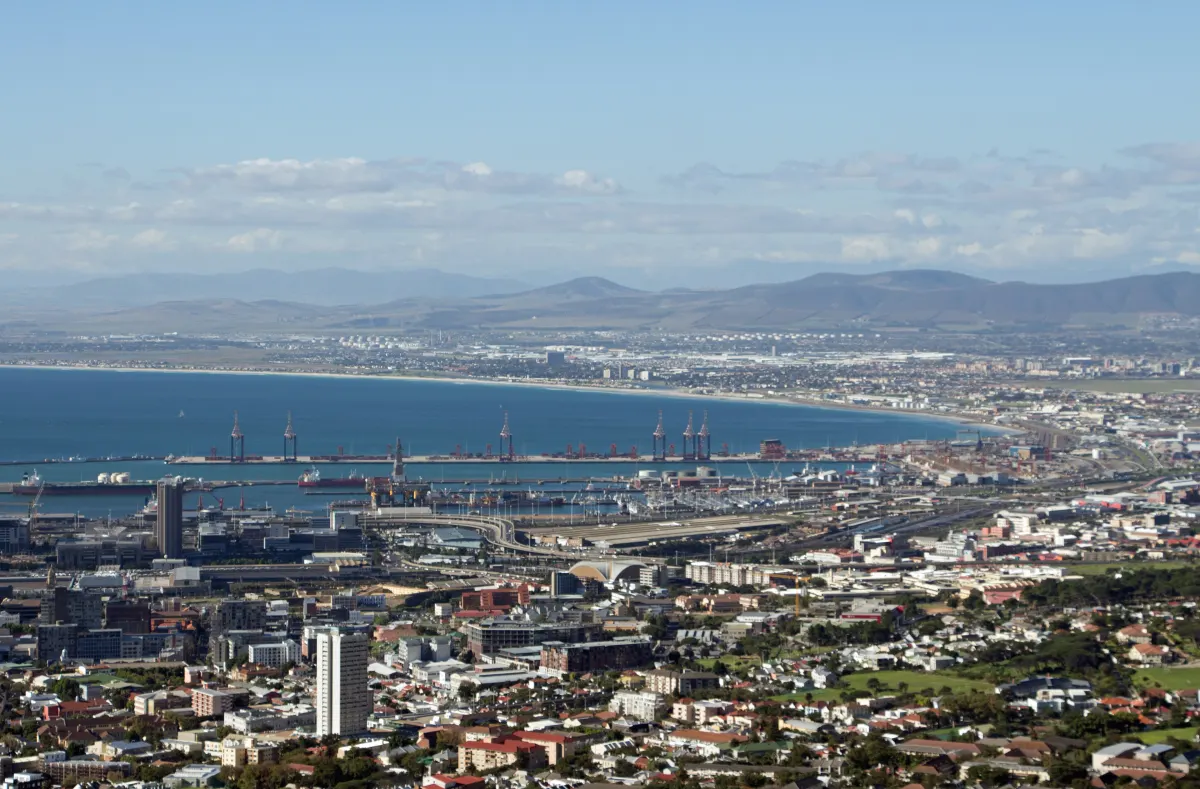
South Africa has a lot of violent crime, and millions of visitors have a wonderful trip every year. Both are true. Most crime is in places visitors have no need to go, and a few firm habits cut your risk a great deal: don't walk around after dark, don't drive after dark, and don't let a phone choose your route.
What governments say (November 2026)
- The UK (updated 5 November 2026) has no area it advises against visiting, but has long warnings about crime, kidnapping and road attacks.
- Canada (10 November 2026) and Australia (current on 24 November 2026): exercise a high degree of caution, because of serious and violent crime.
- New Zealand (July 2026): exercise increased caution, because of violent crime, particularly in city centres and townships and at night.
- The United States was reported in March 2026 to have it at Level 2, increased caution. The state department's page couldn't be read for this article.
No government read here puts a higher level on any one province. They name particular places, which are below. Read your own government's page before you go, because insurance can depend on it.
Where to be careful
- City centres after work and at night, above all central Johannesburg (including Park Station and its surroundings), central Pretoria and central Durban. Stay in districts your host recommends.
- Townships and informal settlements: go only with a responsible guide. Don't take MyCiTi buses into Cape Town's townships.
- Transport hubs, minibus taxi ranks and commuter trains.
- Empty beaches, viewpoints, picnic places and car parks.
- Cape Town airport: use the N2 and M3 rather than the R300, and stay on the Airport Approach Road (exit 16 of the N2) rather than Borcherds Quarry Road, which leads to Nyanga. Visitors in hired cars have been attacked after following GPS off the main roads, and stones have been thrown at cars on the N2. Don't drop off a hire car at night.
- Table Mountain National Park: there have been violent muggings, including on Lion's Head and Signal Hill. Walk in a group of four or more, on busy marked paths, at busy times, and not early in the morning or in the evening.
- Kruger: South African National Parks advises against the Numbi Gate and the R538 road to it. Use another gate. Two local tourists were killed inside the park in May 2026, which the UK calls rare.
- Addo: from Gqeberha (Port Elizabeth) take the N2 via Colchester, not the R335 through Motherwell.
- Australia also warns about criminals on the roads to Pilanesberg and Sun City, and at the Lebombo (Komatipoort) border.
In the car
- Keep doors locked and windows up, with nothing on the seats: bags and phones go in the boot before you set off. Smash-and-grabs happen at traffic lights and off-ramps.
- Leave enough room to pull out round the car in front: you should see its back tyres on the road.
- Carjackers choose junctions, driveways and petrol stations, mostly after dark. If it happens, don't resist: give them the car and your things.
- Don't stop for strangers, for people who look as if they've broken down, or for things thrown on the road. If you're hit by spikes or stones, keep going to somewhere safe if you can.
- Fake police use blue lights on plain, often white, cars. If in doubt, don't stop: drive to a police or petrol station and call 10111. There's no "tourist police" force.
- Car jammers block remote locking. Try the door handle after you lock it.
- Check any route your GPS suggests with someone local. See Self-drive.
On foot and in town
- Leave good watches and jewellery at home, and use your phone inside a shop rather than on the street.
- Use bank machines in malls or banks, by day. Hide your PIN and refuse all help.
- After dark, go door to door by car, booked through an app, and wait inside until it arrives. Check the number plate. See Getting around.
- If you're robbed, hand it over. Robbers are often armed.
- Watch your drink and don't accept ones from strangers. Australia also mentions methanol poisoning: drink sealed, branded bottles.
- Dating apps have been used to rob and assault people. Meet in a public place and tell someone.
- Kidnapping for ransom, and "express" kidnapping to empty your account, are rising. Don't talk about your plans or money with strangers, and keep a low limit on your cards.
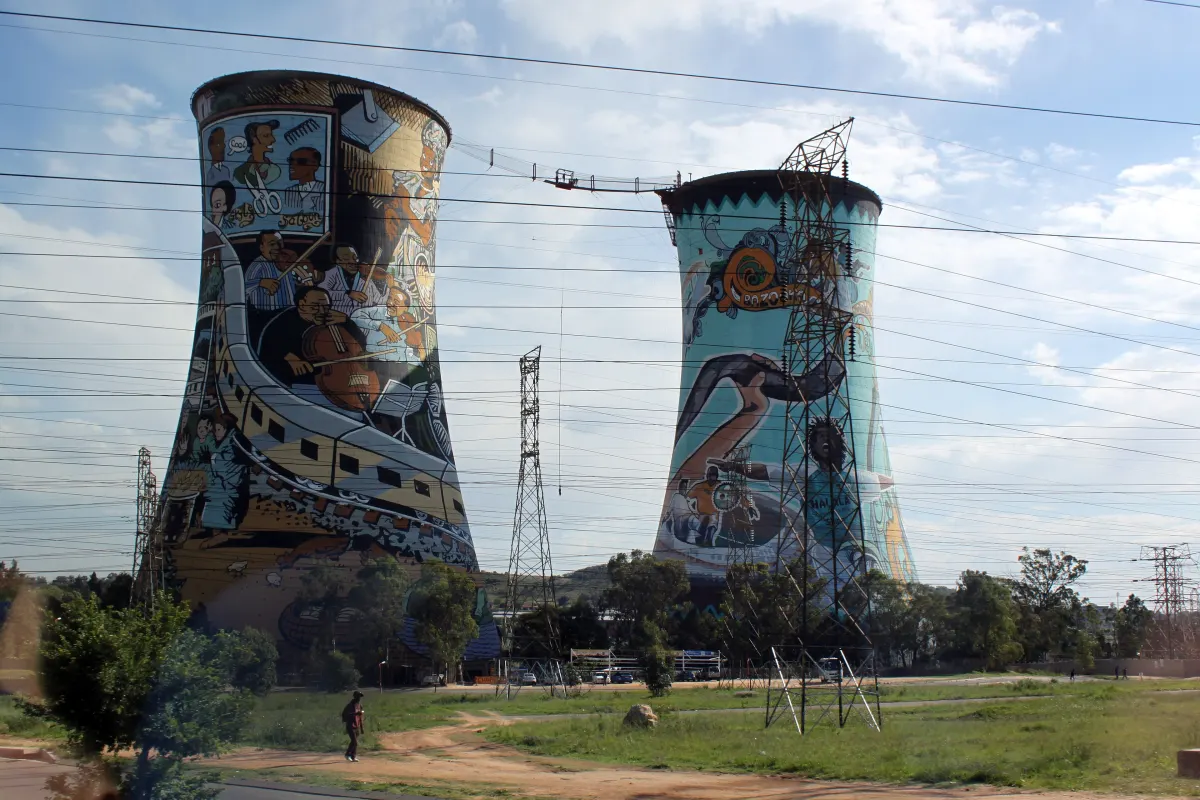
Visiting a township
A visit to Soweto, or to Langa in Cape Town, can be a highlight: homes, food, music and history, told by people who live there. Go by day with a local, recommended guide, ask how the community benefits, and ask before photographing anyone. Don't go on your own, and don't drive in by mistake.

Apartheid Museum and Soweto, Johannesburg
A powerful museum telling the story of apartheid and the struggle against it.
Protests and strikes
- Protests are common and can turn violent. They can close main roads, including the N2 and N1. Never cross a protesters' roadblock.
- During 2026 there have been large anti-immigrant marches, with deadly attacks on people from other African countries, in Durban, Johannesburg, Pretoria and elsewhere. Anyone who could be taken for an African migrant should be especially careful, and everyone should stay away from marches. Local elections were held on 4 November 2026.
- Disputes between minibus, metered taxi and app drivers lead to shootings. Avoid taxi ranks, and don't get into an app car near one. Use something else during a strike.
Women and LGBT+ travellers
Rates of sexual violence are high. Women on their own should use door-to-door transport, stay in well-reviewed places, and not walk on empty beaches or trails. Same-sex relationships are legal, marriage is equal, and Cape Town has a long-established gay scene, but attitudes outside the cities can be different.
Emergency numbers
- 112 from any mobile; police 10111; ambulance and fire 10177.
- Sea rescue (NSRI): +27 87 094 9774. Mountain rescue in the Western Cape: +27 21 937 0300.
- Save your hire company's and insurer's numbers too. Police response can be slow: ask your host or the nearest security guard for help as well.
See also Laws, Culture and etiquette and Beaches.


Comments