
Culture and etiquette in South Africa: languages, greetings, history, sport and photos
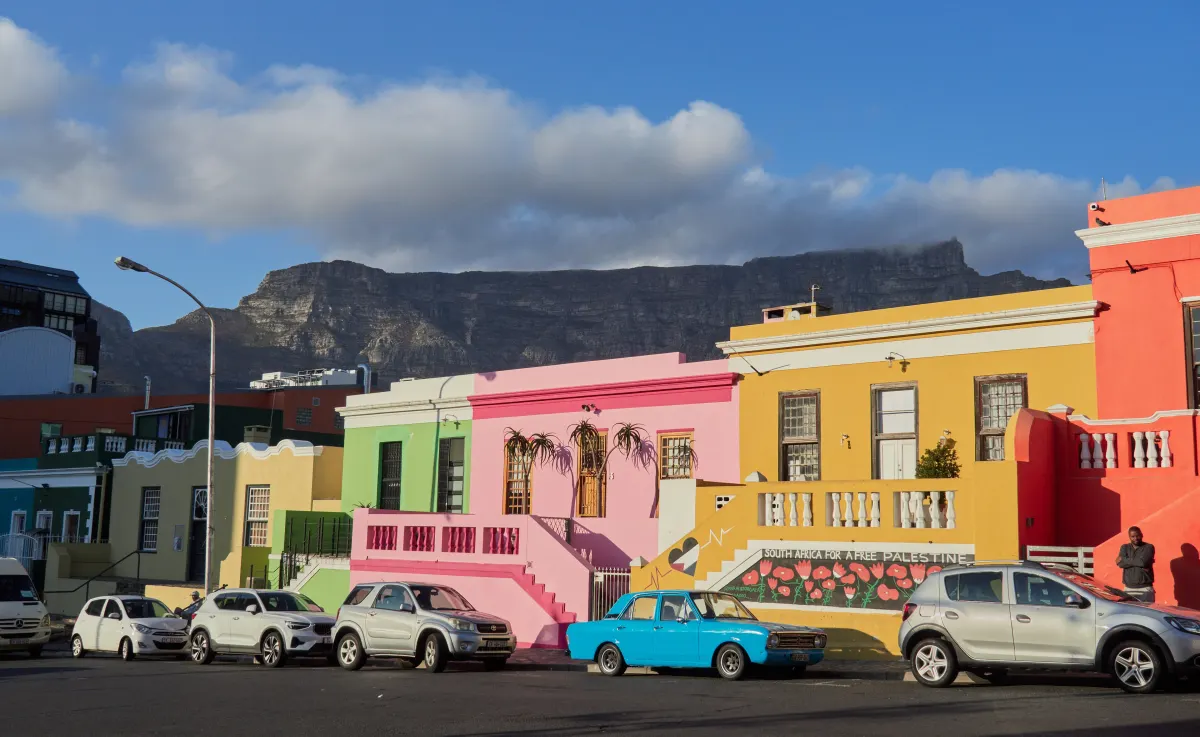
South Africans are, on the whole, warm, funny and quick to talk to strangers. The country has 12 official languages, many faiths, and a painful history that's still close. A little care with both goes a long way.
Languages
- English is understood nearly everywhere in cities and tourist places. isiZulu and isiXhosa are the two most spoken at home. Afrikaans is common in the Western and Northern Cape. South African Sign Language became the twelfth official language in 2023.
- Hello: Sawubona (Zulu), Molo (Xhosa), Dumela (Sotho and Tswana), Hallo or Goeie môre (Afrikaans). Thank you: Ngiyabonga (Zulu), Enkosi (Xhosa), Dankie (Afrikaans).
- Always greet first and ask how someone is, before you ask for anything. It's rude to start with the question. People answer "Fine, and you?"
Local words
- Just now: later, perhaps much later. Now now: soon. Robot: traffic light. Bakkie: pick-up truck. Lekker: nice. Shame: sympathy, or how sweet. Howzit: hello. Padkos: food for the road. Stoep: veranda. Eish: oh dear.
Race and history
- Apartheid ended with the election of 1994. Separate areas, schools and jobs shaped where people live now, and the country is one of the most unequal in the world.
- Race is talked about openly. Coloured is the name of a community with its own culture, and isn't an insult here as it is elsewhere. Don't use old words for other groups, and be slow to give opinions: listen first.
- To understand more, go to the Apartheid Museum and Soweto, District Six Museum in Cape Town and Robben Island, where former prisoners have often been the guides. The Cradle of Humankind goes back much further.
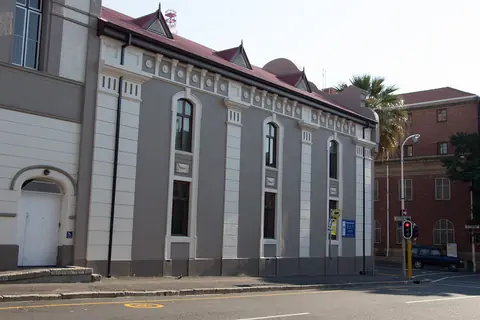
District Six Museum
Tells of the 60,000 people forcibly removed from this Cape Town neighbourhood under apartheid, sometimes guided by former residents.

Robben Island
The island prison where Nelson Mandela was held for 18 of his 27 years in prison, a UNESCO site.
Manners
- Shake hands when you meet. Many people use a three-part handshake: palm, thumbs, palm. Give and take things with the right hand, or with both, or with the left hand touching the right arm. Both hands show respect.
- Use Mr, Mrs, or Mama, Tata, Sisi, Bhuti (mother, father, sister, brother) for people you meet in African communities. In Afrikaans, Oom and Tannie (uncle and aunt).
- Dress is casual, with smart-casual for good restaurants. Cover up in churches, mosques (the Bo-Kaap has several) and Zulu ceremonies. In villages, short shorts and tops can seem rude.
- If you're invited to a braai, bring drinks and perhaps a salad, and don't be too early.
- In traditional Zulu homes, visitors wait to be invited in and sit where they're shown. In some, men and women sit on different sides. Ask before seeing a chief, and bring a gift your guide suggests.
- Initiation schools for young men, in the bush in the Eastern Cape, are private and sacred. Don't approach or photograph them.
Photographs
- Ask people first, and don't photograph other people's children. Some people want a small fee: agree it beforehand.
- Don't photograph police, protests, border posts, airports' security or military places.
Sport
Rugby (the Springboks), football (Bafana Bafana, Kaizer Chiefs against Orlando Pirates) and cricket (the Proteas) are the great loves. A match is a good and safe evening if you go with a group and take a car home. The Comrades Marathon between Durban and Pietermaritzburg, and Cape Town's Cycle Tour in March, close roads.
LGBT+ travellers
Same-sex marriage has been legal since 2006 and the constitution bans discrimination. Cape Town is one of Africa's most welcoming cities. In townships and country areas, couples may meet hostility, so be discreet.



Comments