
Responsible wildlife experiences in South Africa: cub petting, sanctuaries, rhinos and wildlife souvenirs
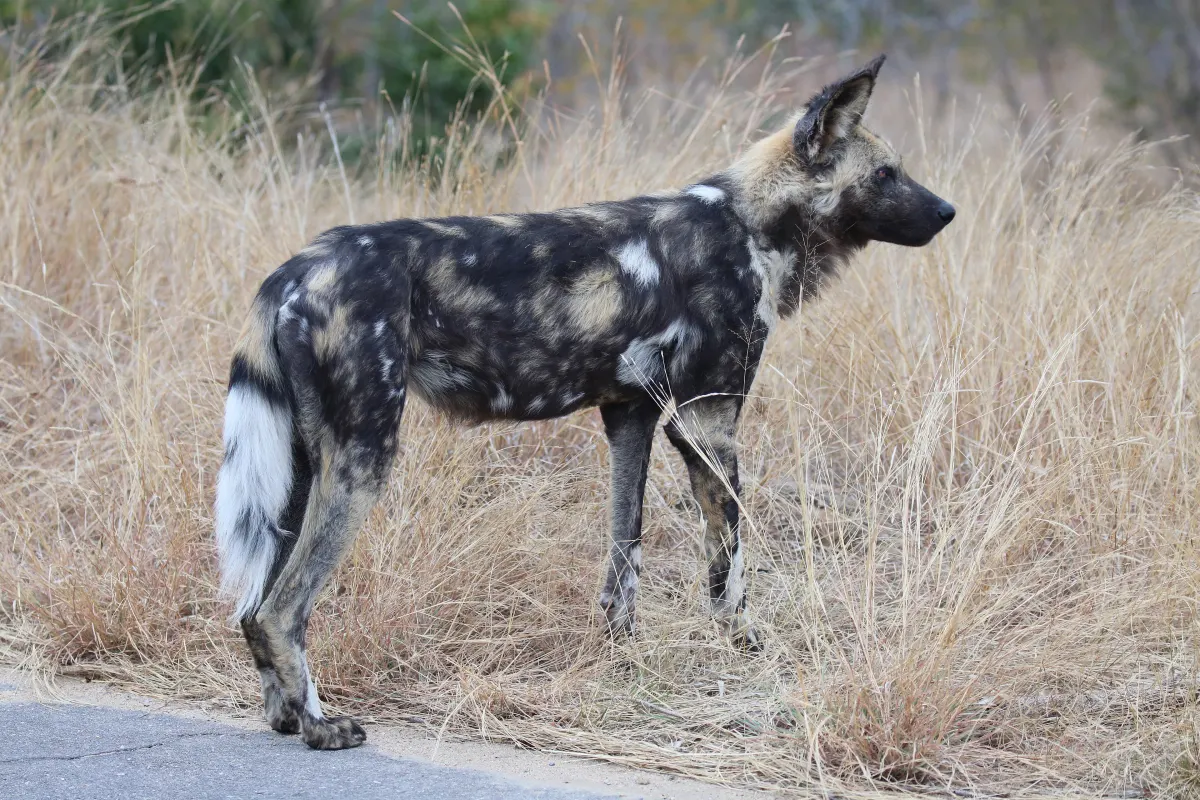
South Africa has some of Africa's best wildlife, and some attractions that harm it. If you're offered a chance to touch a wild animal, say no.
Wildlife experiences to avoid
- Petting lion cubs, walking with lions or cheetahs, and elephant riding. Cubs bred for this are often linked to hunting and the bone trade. South Africa has been moving to close its captive lion industry.
- A true sanctuary doesn't breed, trade or let you touch big animals.
- Drones, calls and baiting to get a better picture. Ask your guide to keep their distance.
- Don't post exact places for rhinos, because poachers use them.
Wildlife law
It's illegal to buy, sell, kill or take any protected wild animal, or parts of one, without a permit. Trading ivory and rhino horn is banned. Seashells, abalone (perlemoen), cycads and skins also need permits. Check what your own country lets in: the international rules (CITES) apply too. See also Arriving.
Better ways to see animals
Wild animals in a park or reserve: see Safari. For the coast, see Whales, penguins and seals.





Comments