
Money and tipping in South Africa: rand, cards, bank machines, VAT refunds and what things cost
The currency is the rand (R), divided into 100 cents. Notes are R10, R20, R50, R100 and R200. South Africa is good value for visitors: food, wine and places to stay cost less than in Europe, while safaris and park fees can be expensive.
Cards
- Contactless cards and phones work nearly everywhere, even at some markets and for parking. The card machine should come to you: don't let your card out of your sight.
- Choose to pay in rand, not your own currency.
- Some places are card only, such as Cape Point and Boulders. Others, such as village stalls, car guards and toilets, need small cash.
- Bring two cards from different banks, kept apart, and set a low limit. Have a bank app that can freeze them.
- When the power or network goes down, card machines go too: carry a few hundred rand.
Bank machines and cash
- Use machines inside banks, malls and petrol stations, by day. Thieves watch for people taking out cash, distract them and swap or skim cards. If someone offers to help, cancel and walk away.
- Take out a moderate amount. Each machine has its own limit and a fee.
- Change money only at banks or in malls. Never on the street.
- You may bring in up to R25,000 in rand. Declare more, or over US$10,000 in foreign money: see Arriving.
Tipping
Tips are a real part of people's pay. This is what's usual:
- Restaurants and bars: 10%, or 12–15% for good service. Check whether a service charge is already on the bill, as it is for big tables.
- Petrol attendants: R5 to R10, more if they clean all the windows.
- Car guards: R5 to R10 when you come back.
- Porters: R10 to R20 a bag. Hotel cleaning: R20 or more a day.
- Taxi and app drivers: round up, or 10%.
- Tour guides: about R50 to R100 a person for a half day, and more for a full one or a private guide.
- Safari lodges: often something like R150 to R300 a guest a day for the guide, less for the tracker, and a box for the rest of the staff. Lodges publish their own suggestions, so ask.
VAT and refunds
- Prices include 15% VAT. Foreign passport holders can claim it back on goods they take home, not on hotels, meals or tours.
- Your goods must come to more than R250 in total and leave the country within 90 days of the invoice. Ask each shop for a full tax invoice; for dear things it needs your name and address.
- At the airport show the goods and invoices before you check in, then go to the refund desk after security. A fee is taken. Allow an hour. The refund is separate from the online declaration you have to make.
What sights cost
Examples for foreign adults in November 2026:
- Table Mountain cable car: R475 return online, R530 at the ticket office (children R230 online). Until 30 June 2027.
- Robben Island: R600, under-18s R310.
- Cape Point: R592, children R288.
- Kruger: R692 a day, children R345.
Bargaining and donations
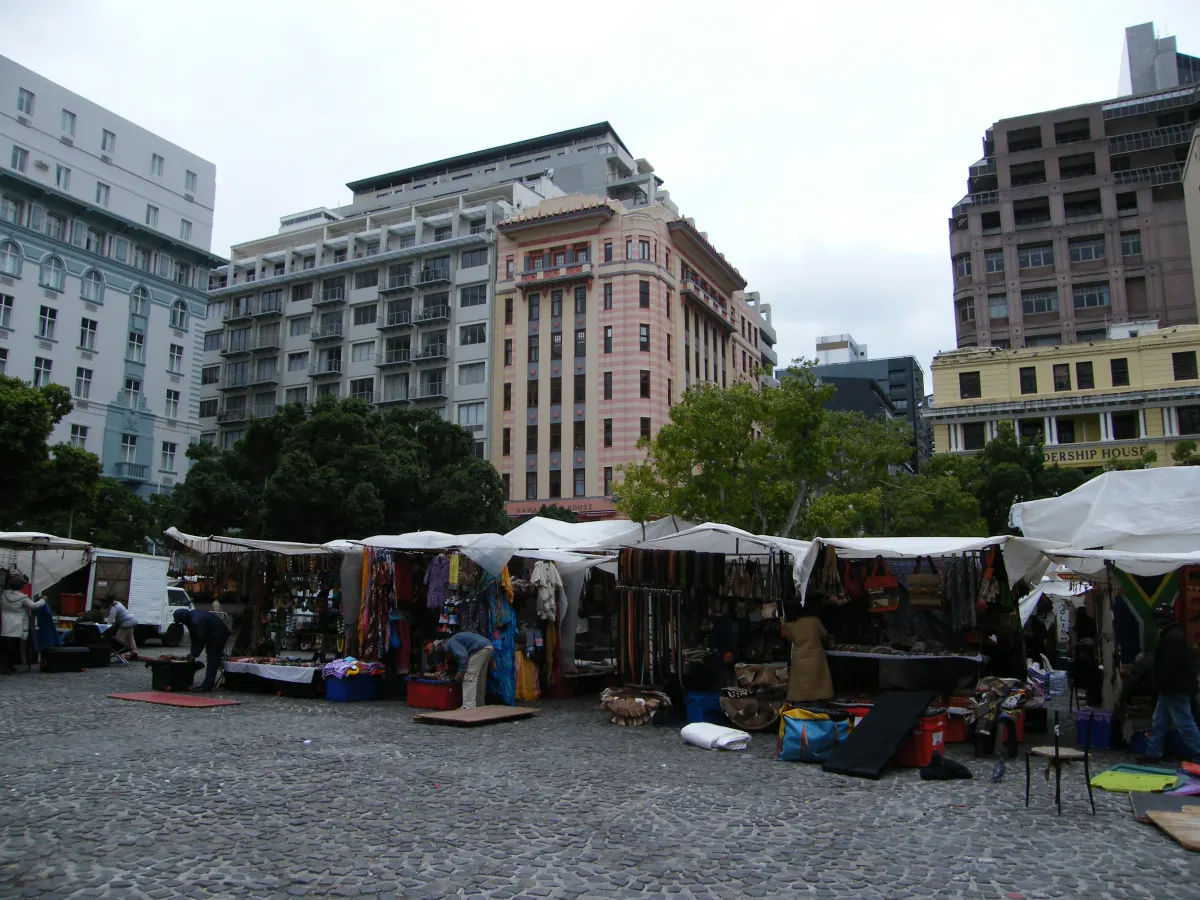
- Shop prices are fixed. At craft markets you can bargain gently, but don't grind someone down for the price of a coffee.
- Beggars at traffic lights are common. Keep the window up. It's better to give to a charity or a school fund than to hand out money or sweets to children.
See also Safety for card and cash crime.

Comments