
Culture and etiquette in Mexico: greetings, Day of the Dead, indigenous villages, photos and Spanish
Mexicans are warm, formal and polite, and a few words of Spanish go a long way. Mexico also has around 68 indigenous peoples with their own languages, and many villages have their own rules. Ask, and follow them.
Politeness
- Greet people before anything else: buenos días (until noon), buenas tardes, buenas noches, when you enter a shop, a lift, a bus or a waiting room. Going straight to a question sounds rude.
- Use usted with older people and officials. Con permiso to get past, provecho to people who are eating, and gracias, muy amable.
- A handshake is normal, and among friends one kiss on the right cheek, between women or a man and a woman.
- People dislike saying no. "Yes" or ahorita ("right now") may mean later, or never. Directions may be a guess: ask two people.
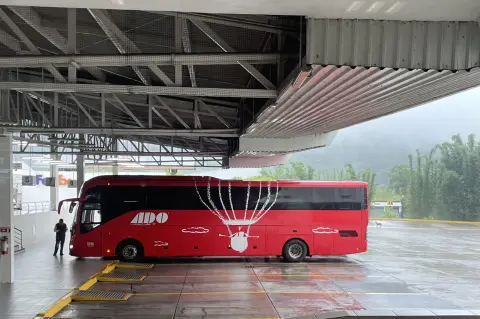
- For a party, arrive half an hour or more late. Be on time for buses, tours and doctors.
- Keep your voice and temper down. Shouting at officials makes things worse.
Dress
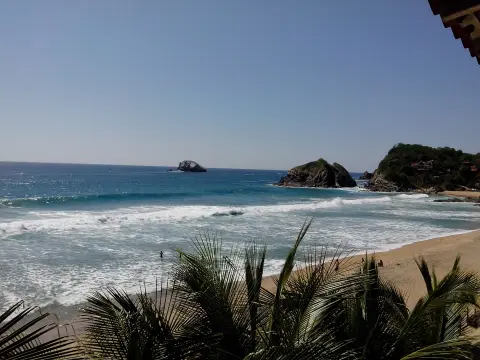
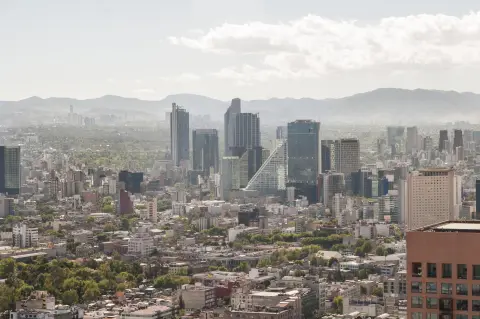
Beachwear is for the beach. In towns people dress neatly, and in churches cover shoulders and knees and take off hats. Mexico City is cool in the evening, and locals rarely wear shorts. Going topless is not accepted on most beaches, and nudity only at a few such as Zipolite.
Photos
- Ask before photographing people, craft stalls and markets, and never photograph children without a parent's permission.
- Inside the church at San Juan Chamula in Chiapas photography is strictly forbidden, and people have been fined or had phones taken. The same goes for many indigenous ceremonies.
- Don't photograph the police, the army, or restricted areas of Mexico City airport.
- Drones are banned at ruins and many parks, and foreigners need permission to fly one at all.
Day of the Dead
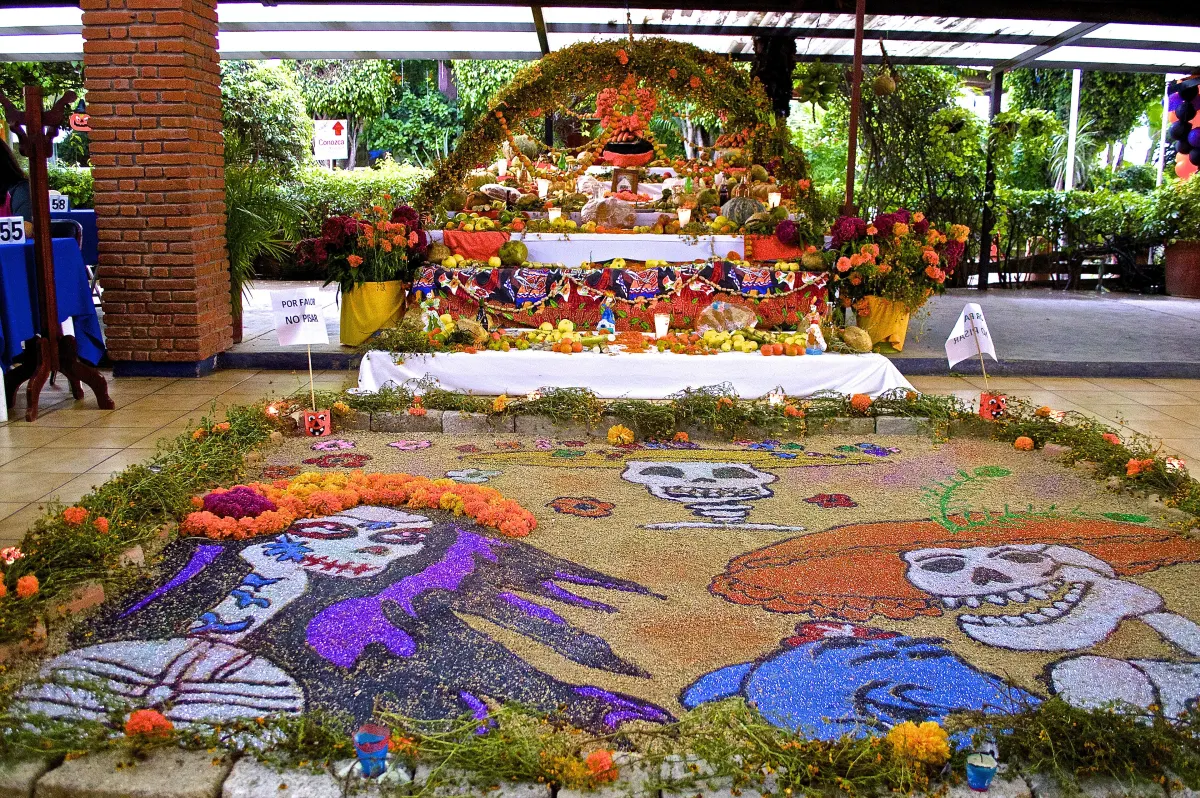
- The Day of the Dead, 1 and 2 November, is a family occasion, not Mexican Halloween. People welcome back the dead with altars, marigolds, food and music.
- In cemeteries, go with a guide or a family, speak quietly, don't step on graves, don't sit on tombs, don't use flash, and buy flowers or candles rather than only taking photos.
- Painted skull faces are fine at parades and street parties, less so beside a grave. Book many months ahead for Oaxaca. Mexico City's big parade is usually on the Saturday before. Pátzcuaro is in Michoacán: see Safety by state.
Tours and activities
Day of the Dead
Oaxaca
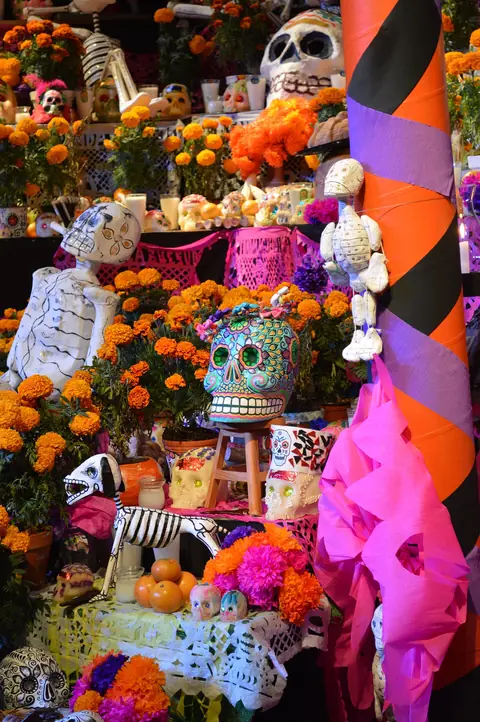
On 1–2 November families build altars and decorate graves with marigolds to welcome back the dead.
Ruins, cenotes and reefs
- Don't climb where it's roped off. People who climbed the pyramid at Chichén Itzá have been booed, detained and fined.
- Don't pick up or buy pieces of pottery or carvings. Exporting old objects is a crime.
- Expect bag searches and metal detectors at the main ruins since April 2026.
- In cenotes, shower first, wear no creams, and don't touch the formations. They're sacred places in Maya tradition, and they're the region's drinking water.
- On reefs, don't touch coral or turtles. Don't buy turtle, black coral, jaguar or iguana products.
- Don't hold or pose with wild animals. Turtle centres that release hatchlings let you help without touching them.
Indigenous communities and crafts
- Some villages charge an entry or use community guides. Pay it, and follow local rules on alcohol, photos and dress.
- Buy from the maker or a cooperative, and ask who made it. Don't push the price down hard on things that take weeks.
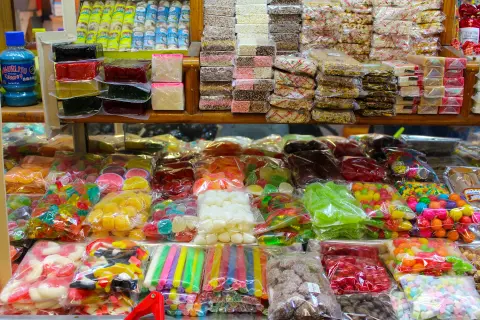
- Don't give money or sweets to children, or buy from children working late.
- Many people speak Maya, Zapotec, Mixtec, Nahuatl, Tzotzil or others first, and may speak little Spanish.
What to talk about
- Family, food, football, places. Don't joke about cartels, and don't call Mexicans' country dangerous to their face.
- Foreigners taking part in politics, including protests, can be deported.
- The word "American" includes Mexicans. Say estadounidense for someone from the USA.
- Rents have risen in Mexico City and on the coast because of foreign residents and holiday flats, and there have been protests about it. Be considerate.
Useful Spanish
- ¿Cuánto cuesta? How much is it? ¿Dónde está el baño? Where's the toilet? (Carry a few pesos: many charge. Put paper in the bin.)
- No, gracias, with a small smile and a wave of the finger, stops most sellers.
- ¿Es seguro caminar aquí de noche? Is it safe to walk here at night?
- Ayuda, help. Una ambulancia, an ambulance. Soy alérgico / alérgica a… I'm allergic to…
Comments