
Money in Mexico: pesos, cash machines, cards, tipping, entry prices and tourist taxes
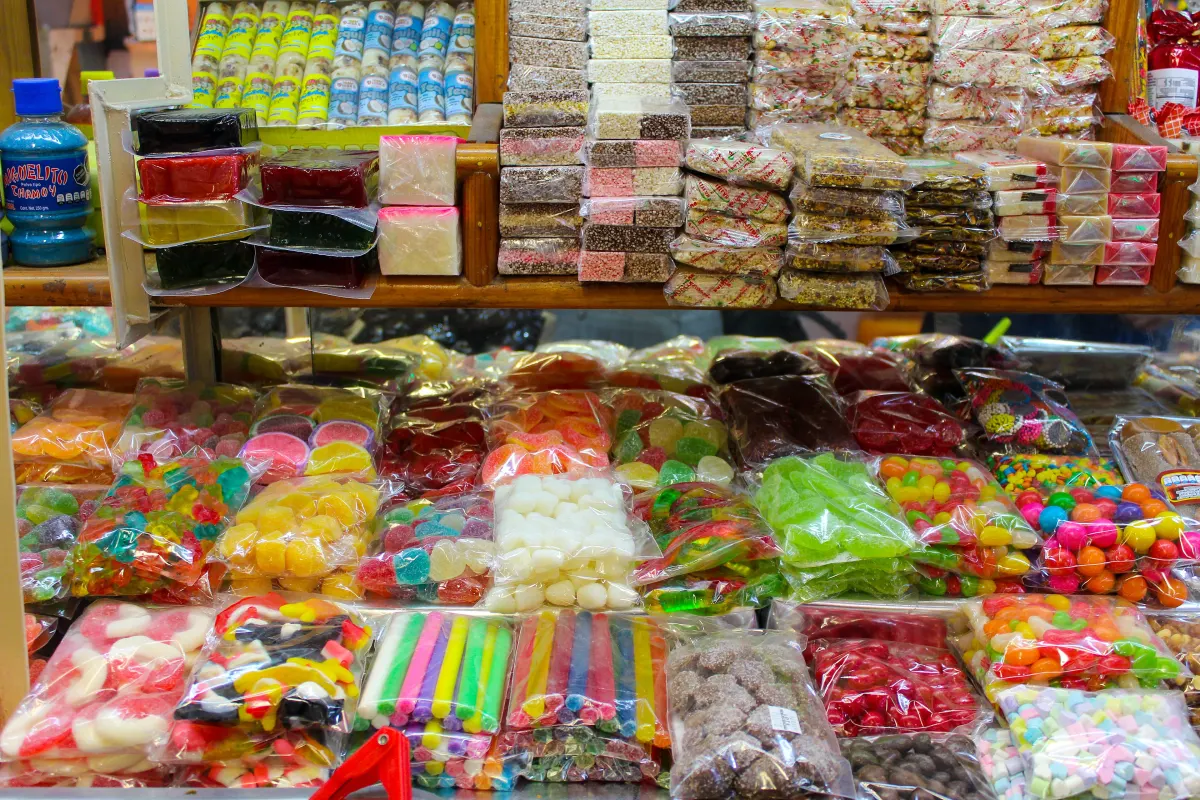
Mexico uses the peso, and the sign is $, the same as the dollar. A price of $200 is 200 pesos. In resorts some prices are in US dollars, marked USD. If you're unsure, ask: ¿pesos o dólares?
Cash
- You'll want cash for markets, taco stands, colectivos, small towns, entrance fees, tolls and tips. Carry small notes: nobody has change for 500.
- Notes are 20, 50, 100, 200, 500 and 1,000 pesos. The 20 is being replaced by a coin.
- Pay in pesos even when dollars are accepted, as the shop's exchange rate is always poor. Damaged dollar notes are refused, and there are limits on how many dollars banks will change.
- Australian and New Zealand dollars are hard to change. Bring a card.
Cash machines
- Use machines belonging to a real bank, such as Banorte, BBVA, Santander, Scotiabank, HSBC, Banamex or BanBajío, indoors and by day. The screen must show the fee before you agree. Reported fees go from about 25 to nearly 200 pesos, so if one is high, cancel and try another bank.
- When it offers to convert to your own currency, refuse ("decline conversion", sin conversión). Your bank's rate will be better. Do the same on card machines in shops.
- Avoid the stand-alone machines in tourist streets, hotels and convenience stores. They charge most.
- In small places, such as Bacalar, Mazunte, Cabo Pulmo and Holbox, machines run out or don't exist. Take cash with you.
Cards
- Visa and Mastercard work in hotels, chain shops, supermarkets and most restaurants. American Express less often. Contactless is common.
- Keep the card in sight: waiters bring the machine to you. Skimming happens.
- Some shops and tour offices add a few per cent for cards.
Tipping
- Restaurants: 10 to 15%, or more for good service in smart places. Check for propina or servicio already on the bill. It's voluntary by law.
- Bars: 10%, or a little per round. All-inclusive resorts: small notes to bar and cleaning staff are welcome.
- Petrol attendants 5 to 10 pesos, supermarket packers, often pensioners working only for tips, 5 to 10, porters 20 to 50, hotel cleaners 30 to 50 a day, guides 10 to 15%.
- Taxi drivers don't expect a tip unless they help with bags.
- Tip in pesos. Foreign coins can't be changed.
What the sights cost
Foreigners pay more than Mexicans and residents, and free Sundays are for Mexicans and residents only. These were the 2026 prices, as reported in the press. The federal ones go up each January.
- Teotihuacán, Monte Albán, Palenque and the National Museum of Anthropology: 210 pesos.
- Chichén Itzá: 697 pesos, on one ticket from one desk since March 2026 (it used to be two).
- Uxmal: about 586 pesos. Ek Balam: about 691.
- Tulum, with the Jaguar park: reports differ, between 165 and 265 pesos, since the fee was changed in July 2026.
- Frida Kahlo Museum: 320 pesos. There's no ticket office: book online well ahead.
There may be extra for parking, a professional camera or video. Carry cash in case the card machine is down.
Taxes and extras
- Prices include 16% VAT (IVA), except in some hotels and for some services, where it's added. Hotels also add a lodging tax, and in some resorts an environmental fee per night.
- Foreign visitors pay a tax in Quintana Roo and one in Baja California Sur: see Arriving.
- National parks and reefs charge a small fee, often for a wristband: tours say whether it's included.
Bargaining
You can haggle gently in craft markets and for taxis and boat trips, not in shops or over food. Handmade things take days to make, and the people who make them are often poor: a smile and a fair price are better than winning.
Comments