
Driving in Mexico: insurance, toll roads, topes, crossing the border and driving in Baja
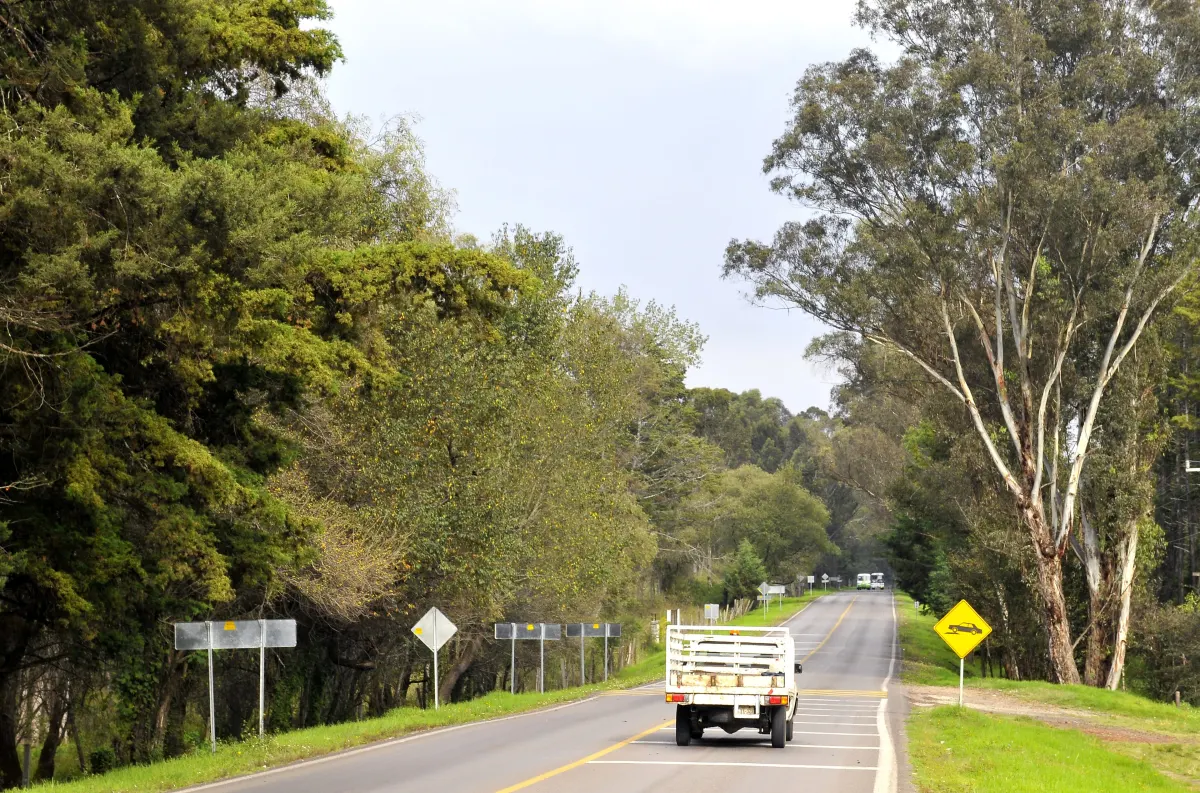
A car makes sense in the Yucatán peninsula and Baja California Sur, and around Oaxaca by day. It's a burden in Mexico City. Wherever you drive, do it in daylight, and check your whole route in Safety by state.
Hiring a car
- Bring your printed or plastic licence: digital ones aren't accepted. Canada recommends an International Driving Permit. The UK says a photocard licence is enough. You'll need a credit card for the deposit.
- Third-party liability insurance from a Mexican insurer is compulsory. Your policy from home and most credit cards don't cover it. Cheap prices on booking sites often leave it out, and add it at the desk. Ask for the total in writing, with legal help included.
- Photograph every scratch and the spare wheel. Choose a car without rental company stickers.
- One-way hire between cities is often very dear.
Insurance and crashes
- After an accident, call your insurer and wait. Police can hold drivers and cars until blame and damages are settled, so it's the insurer's adjuster and lawyer who get you home. It's illegal not to report an accident.
- Being over the alcohol limit can end your cover, as well as landing you in a cell.
- Staged crashes to get cash happen. Don't pay: call the insurer, or 911.
- You're responsible for anything found in the car, so don't give lifts.
Toll roads
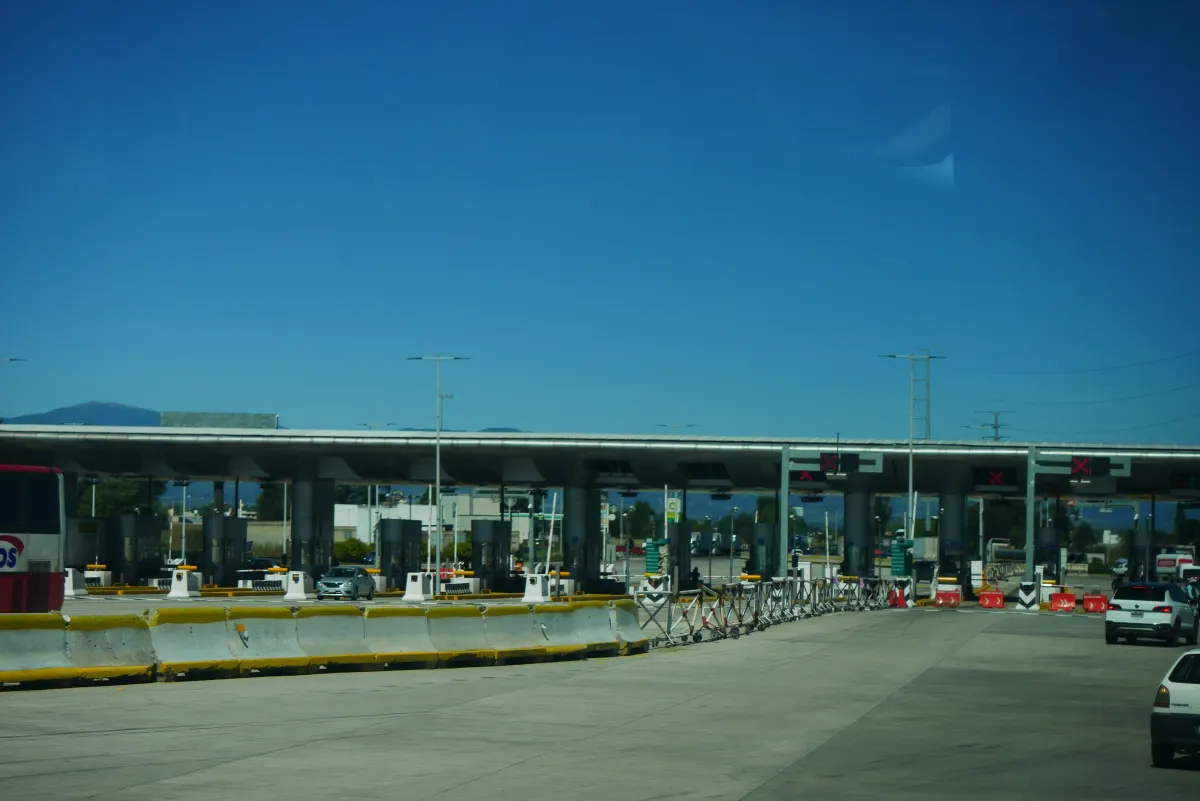
- Use cuota (toll) roads, marked with a D, and not libre (free) ones. They're faster, in better condition and safer. They're not cheap.
- Carry cash in pesos: many booths don't take foreign cards. Keep the receipt, because it includes some insurance and help.
- On federal toll roads call 074. The Green Angels (Ángeles Verdes), who help drivers on main roads, are on 078.
- Protesters sometimes take over toll booths and ask for money. Pay and go on.
Topes, holes and night
- Topes are speed bumps, in every village, often unpainted and unsigned, and high enough to wreck a car. Slow down whenever you see houses, people selling fruit, or the car in front braking.
- Don't drive at night outside towns: animals, cyclists, parked lorries without lights, holes and robbers.
- A left indicator from a lorry ahead can mean "it's safe to pass" or "I'm turning left". Don't rely on it.
- Roundabouts and one-way streets in towns are often unsigned. Speeds are in km/h.
Petrol
- Attendants serve you. Ask for lleno de verde (full, regular, green pump) or an amount, check the pump is at zero, and tip 5 to 10 pesos.
- Fill up at half a tank in Baja and other empty areas. Have cash.
Checkpoints and police
- Army, police and fruit inspection checks are normal. Stop, lower the windows, take off sunglasses, and be patient.
- Always stop at roadblocks, and don't argue. People have been killed for driving on.
- For police asking for money, see Staying safe.
Mexico City
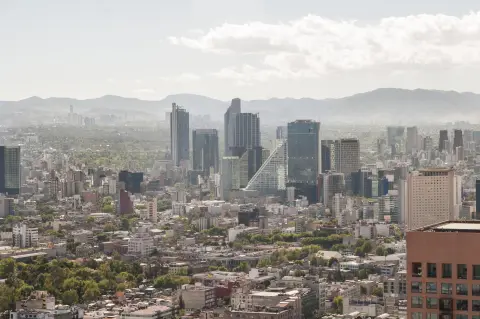
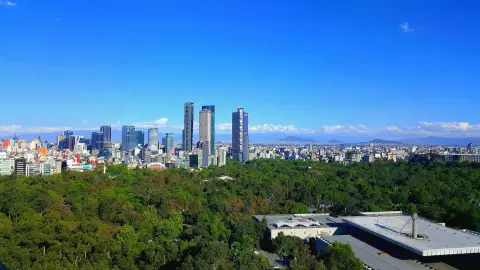
Don't drive here. Hoy No Circula bans cars on certain days by number plate, and cars with plates from other states or countries are also kept out from 5 to 11 am on weekdays, and for most of Saturday. Fines are heavy and cars are towed. Nearby states have similar rules, and bans are widened when the air is bad.
Bringing a car from the USA
- Buy Mexican insurance before you cross. US and Canadian policies aren't valid.
- You need your own FMM and a stamp: see Arriving.
- Within the border zone and the whole Baja California peninsula you don't need an import permit. Anywhere else you need a temporary vehicle import permit (TIP) from Banjercito. You can get it online ahead or at the border, with the original registration in your name, and a refundable deposit of US$200 to 400 depending on the car's age. Cancel it at the border when you leave, or you lose the deposit.
- Most border states are under warnings, and Americans are told not to drive in many of them. Cross by day, on a toll road, and keep going.
- Never bring a gun, or even a bullet.
Baja California Sur
- The roads from Los Cabos to Todos Santos and La Paz are good dual carriageway. North of La Paz, Highway 1 is narrow, with no shoulder, and cows at night. It's easy in daylight and lovely.
- The road to Cabo Pulmo ends in several kilometres of rough dirt, usually fine in an ordinary car driven slowly, but not after heavy rain.
- In hurricane season, dips (vados) flood. Don't drive into water.
- Driving the whole peninsula from the USA means going through Baja California, the northern state. The US has it at Level 3, and the UK warns against Tijuana and Tecate, apart from the main toll road through Tijuana.
Yucatán
The easiest driving in Mexico: flat, straight, and few checkpoints. Mérida to Cancún has a toll road with very few exits or petrol stations. The free road through villages and cenotes is slower and more interesting. On the Tulum to Playa road, watch for police and U-turns. Look for topes.
Comments