
Staying safe in Mexico: scams, taxis, police, alcohol, drugs, beaches and spring break
Most trouble that visitors have is theft, overcharging, too much to drink, or the sea. This is about the everyday risks. For cartels and which states to avoid, read Safety by state first.
Theft and cash machines
- Pickpockets work in crowds, on the Mexico City metro, in bus stations, airports and markets. Keep your phone off café tables and out of your back pocket.
- Leave watches and jewellery at home. Carry one card and a little cash, and leave the rest in a safe.
- Use cash machines inside banks and shopping centres, by day. Don't change large sums at the airport: people have been followed from there.
- If somebody demands your things, hand them over.
Taxis
- Don't hail taxis in the street, above all at night. Use an app, a sitio (an official stand), or one called by your hotel or restaurant.
- With an app, check the plate and driver, and share your trip. At airports and bus stations, use the prepaid desk.
- In Cancún and some other places taxi drivers are hostile to app cars, and have blocked roads and pulled passengers out. Wait inside, and follow your hotel's advice.
Police asking for money
- Most police are fine. Some, or criminals dressed as police, stop visitors, often in hire cars, and want cash for a made-up offence.
- Stay polite. Don't hand over your passport or money. Ask for a written ticket to pay later or to go to the station, and note the officer's name, badge and car number.
- If you feel threatened, your safety comes first. Report it afterwards.
Scams
- Timeshares: "free" breakfasts, tours, taxis or "airport information" desks in resorts lead to hours of hard selling. You have five working days to cancel a contract.
- Bars that won't show prices, add drinks to the bill or keep your card. Disputes can turn violent. Ask prices first, and pay as you go.
- Petrol: see that the pump starts at zero, and count your change aloud.
- Short change and conversion: always pay in pesos: see Money.
- "The site is closed", "you need a guide", and people in waistcoats waving cars into car parks on the way to ruins. Keep going to the official entrance.
- Booking sites that copy the official ones, for taxes, train tickets and museums.
Drinks
- Spiking happens in bars, clubs and resorts, and is used for robbery and assault. Watch your drink being made, don't leave it, and don't accept drinks or cigarettes from strangers.
- Bootleg alcohol has made people ill, including at resorts, and there have been deaths from methanol. Drink sealed beer, or branded spirits from a sealed bottle, and avoid very cheap cocktails and unlabelled bottles. Blurred vision, confusion or worse than expected vomiting after drinking is an emergency: call 911.
Drugs, vaping and the law
- Sentences for drugs go up to 25 years, and foreigners can wait a long time in prison before a trial. Cannabis law is unclear and police use that. Buying also pays the people behind the violence. Pills sold in some pharmacies and on beaches have been fake and deadly.
- Ayahuasca, bufo and similar ceremonies sold to tourists are unregulated. People have been robbed, assaulted and died.
- Smoking and vaping are banned in public places including beaches, parks, hotels and restaurants, except in marked areas. The fine can be 3,000 pesos. Vapes can't be brought in or sold: see Arriving.
- You can be held for up to 72 hours for things like urinating in the street or not paying a bill.
- Protests are common, especially in Mexico City. It's illegal for foreigners to join in political activity.
Spring break
- From late February to mid-April, students fill Cancún, Playa del Carmen, Los Cabos and Puerto Vallarta. It's loud, dear and busy. The states' tourist zones are well policed, but this is when most drink, drug and assault trouble happens.
- Stay together, agree how you're getting back, and use transport from your hotel. After dark, keep to busy, lit, tourist streets, and away from the downtown areas of Cancún, Tulum and Playa.
- Sexual assaults have happened in resorts, sometimes by staff, drivers or security guards. If it happens, go to a hospital and your consulate as well as the police.
- Check balcony railings: they can be low, and people have fallen.
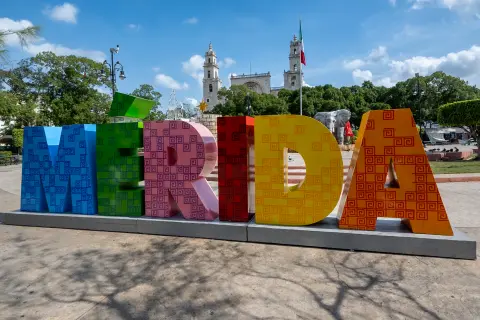
- For a quieter trip at that time, go to Mérida, Valladolid or Oaxaca, but avoid Easter week, when Mexico is on holiday.
Sea, animals and adventure
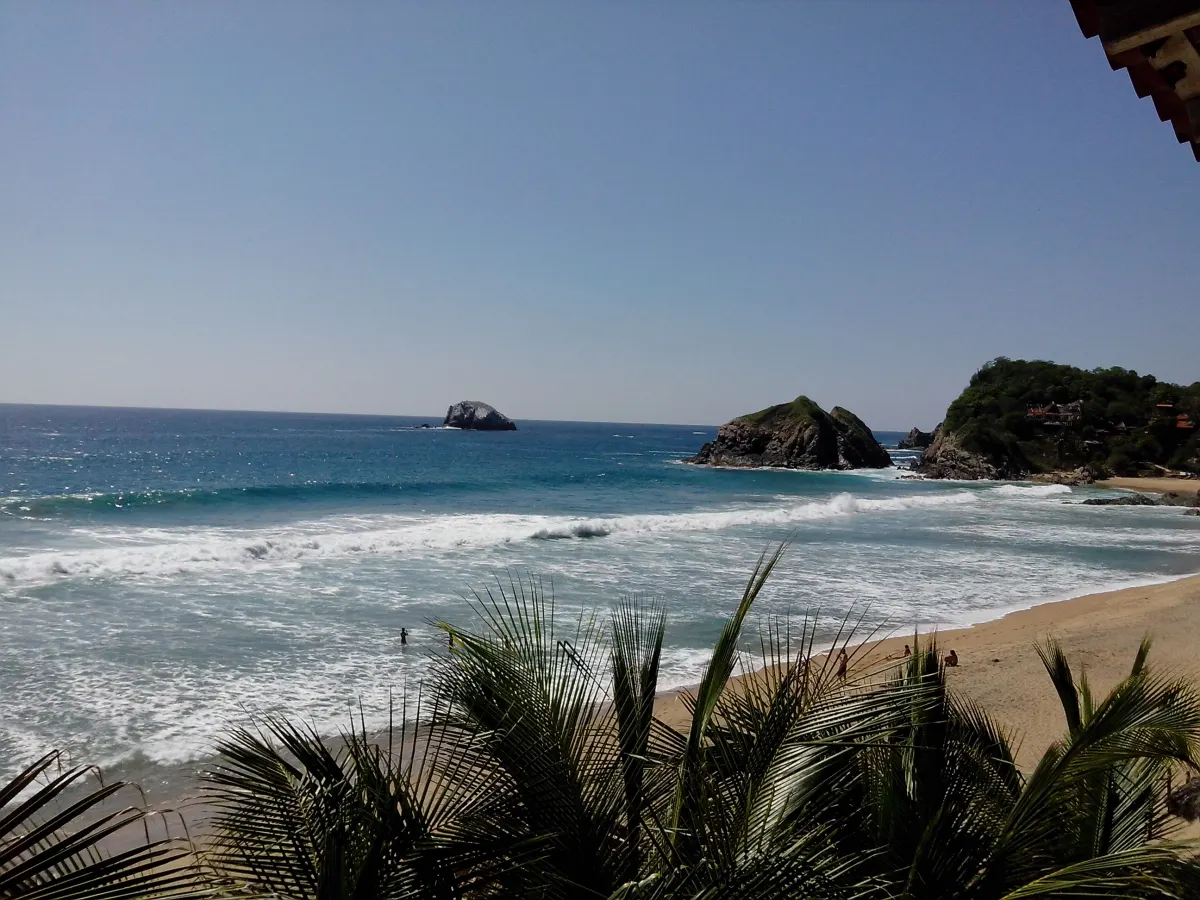
- Currents drown people every year, strong swimmers too. Many beaches have no lifeguard or flags. Black or red flag: stay out. On the Pacific, at Zicatela in Puerto Escondido, Zipolite, and most beaches around Los Cabos, the waves and undertow are dangerous.
- Crocodiles live in lagoons and mangroves, including Cancún's Nichupté lagoon, and near Puerto Vallarta. Read the signs, and don't walk by the water at night.
- Dive, zip-line, jet-ski and quad bike companies vary. Look for proper equipment and life jackets, and check your insurance.
Women and LGBTQ+ travellers
- Women travelling alone may get unwanted attention, and there have been assaults on buses and in taxis. Mexico City's metro and Metrobús have carriages for women and children at busy times. Sit near the front on buses, and go by app car after dark.
- Same-sex marriage is legal. Mexico City, Puerto Vallarta, Playa del Carmen and Zipolite are very open. Rural areas and small towns are conservative.
Earthquakes, volcanoes and hurricanes
- Earthquakes are common from Mexico City to Oaxaca, Chiapas and Guerrero. Mexico City's loudspeakers sound an alarm before many strong ones: go out to open ground if you can in seconds, or else keep away from windows. On the coast after a long or strong quake, go uphill at once.
- Popocatépetl is active, at yellow, phase 2, in November 2026. Nobody may go within 12 km of the crater. Ash can close Mexico City's airport. If you're going to the national park around it, check what's open that day.
- For hurricanes see When to go.
Comments