
Safety in Mexico by state: where governments advise against travel, cartels, kidnapping and roadblocks
Millions of people have trouble-free holidays in Mexico every year, mostly in places with no special warning. But large parts of the country have very serious violence between criminal groups, and advice changes from one state, city or road to the next. No government says to avoid all of Mexico. Every one we checked says to avoid parts of it.
This is a summary made on 24 November 2026. Check your own government's page for your exact route before you book and again before you go: UK, USA, Canada, Australia, New Zealand. Travelling against the advice can make your insurance invalid.
The strongest warnings
The US has Level 4, "do not travel", for six states: Colima, Guerrero, Michoacán, Sinaloa, Tamaulipas and Zacatecas. (We took the US levels from reports of its advisory of 29 May 2026, rechecked by others in mid-November, because we couldn't open the page itself.) The UK, Canada, Australia and New Zealand advise against non-essential travel to, or reconsidering travel to, the same six, with exceptions:
- Colima: all four make an exception for Manzanillo. The UK says only by air or sea, Canada and Australia only by air.
- Guerrero: all four make an exception for Ixtapa and Zihuatanejo, which the UK, Canada and Australia say to reach by air. New Zealand also excepts Taxco and its toll road. Acapulco isn't an exception for anyone. That includes La Quebrada and Isla La Roqueta.
- Michoacán: the exceptions are Morelia (all four; the UK and Australia name which roads to use), Pátzcuaro (UK and Canada), Lázaro Cárdenas (Australia, by air, and New Zealand) and the toll road 15D (UK and Australia). The monarch butterfly sanctuaries at El Rosario are in the warned area. There are also colonies over the border in the State of Mexico.
- Sinaloa: most make an exception for Mazatlán and Los Mochis, but Canada only for named parts of Mazatlán, and only by air or sea. New Zealand excepts Mazatlán alone.
- Tamaulipas: Tampico by air (Canada, also by sea, and Australia), and some roads and the south of the state (UK). New Zealand has no exceptions.
- Zacatecas: only Canada makes an exception, for Zacatecas city.
Other areas with warnings
- Chiapas: US Level 3, "reconsider travel". Canada and Australia warn against the state except Palenque and San Cristóbal de las Casas, each by particular routes, and Canada also excepts Tuxtla Gutiérrez. The UK warns against the strip within 40 km of Guatemala, up to Gracias a Dios, and highway 199 between San Cristóbal and Palenque, for roadblocks and kidnapping. New Zealand warns against the Guatemalan border. Sumidero Canyon is beside Tuxtla, but none of the exceptions names it.
- Chihuahua: US Level 3. The UK and Australia make an exception for Chihuahua city and the Copper Canyon railway and the towns on it. Canada excepts only Chihuahua city, and New Zealand nothing. Some of the line is in Sinaloa.
- Guanajuato: US Level 3. The UK, Canada and Australia warn against the part south and west of highway 45D, which includes Irapuato and Celaya, and the UK list includes Silao, where León's airport is. New Zealand warns against parts along highway 45. Guanajuato city and San Miguel de Allende are on the other side of that road.
- Jalisco: US Level 3. The UK warns against the far north and the area south and south-west of Lake Chapala. Canada warns against areas within 50 km of Michoacán, with exceptions. Guadalajara, Puerto Vallarta and Tequila aren't in the UK's areas. Serious violence hit the state, including Guadalajara and Puerto Vallarta, in February 2026.
- Baja California (the northern state): US Level 3. The UK warns against Tijuana, except the airport, the cross-border bridge and the main road through, and against Tecate. Baja California Sur is different, and has no such warnings.
- Sonora: US Level 3. Canada, Australia and New Zealand make an exception for Hermosillo, Guaymas/San Carlos and Puerto Peñasco. Australia says by air.
- Morelos: US Level 3. Canada and New Zealand warn against the Lagunas de Zempoala park.
- Nayarit: Canada and New Zealand warn within 20 km of Sinaloa and Durango, and New Zealand against Tepic. The coast by Puerto Vallarta, with the Islas Marietas, isn't included.
- Durango, Coahuila and Nuevo León: New Zealand warns against all or most of these, Australia against north-western Durango, and Canada against Nuevo León outside Monterrey.
Where there's no special warning
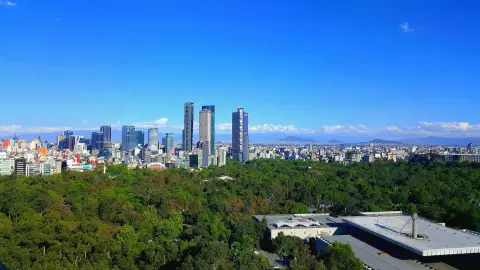
- The US puts Yucatán and Campeche at Level 1, its lowest. Mexico City, Puebla, Querétaro, Oaxaca, Quintana Roo, Baja California Sur, Hidalgo, Tlaxcala, Veracruz, Tabasco, the State of Mexico and some others are at Level 2, "exercise increased caution". The other four don't warn against travel to any of these, except that New Zealand warns against the border with Guatemala, which Tabasco and Campeche share, and the area round the Zempoala park south-west of Mexico City.
- That doesn't mean no risk. The UK notes shootings in Cancún, Playa del Carmen and Tulum that have hurt bystanders, crime on roads and buses in the State of Mexico, and more incidents and roadblocks in Veracruz and Tabasco. A gunman killed a Canadian tourist at Teotihuacán in April 2026.
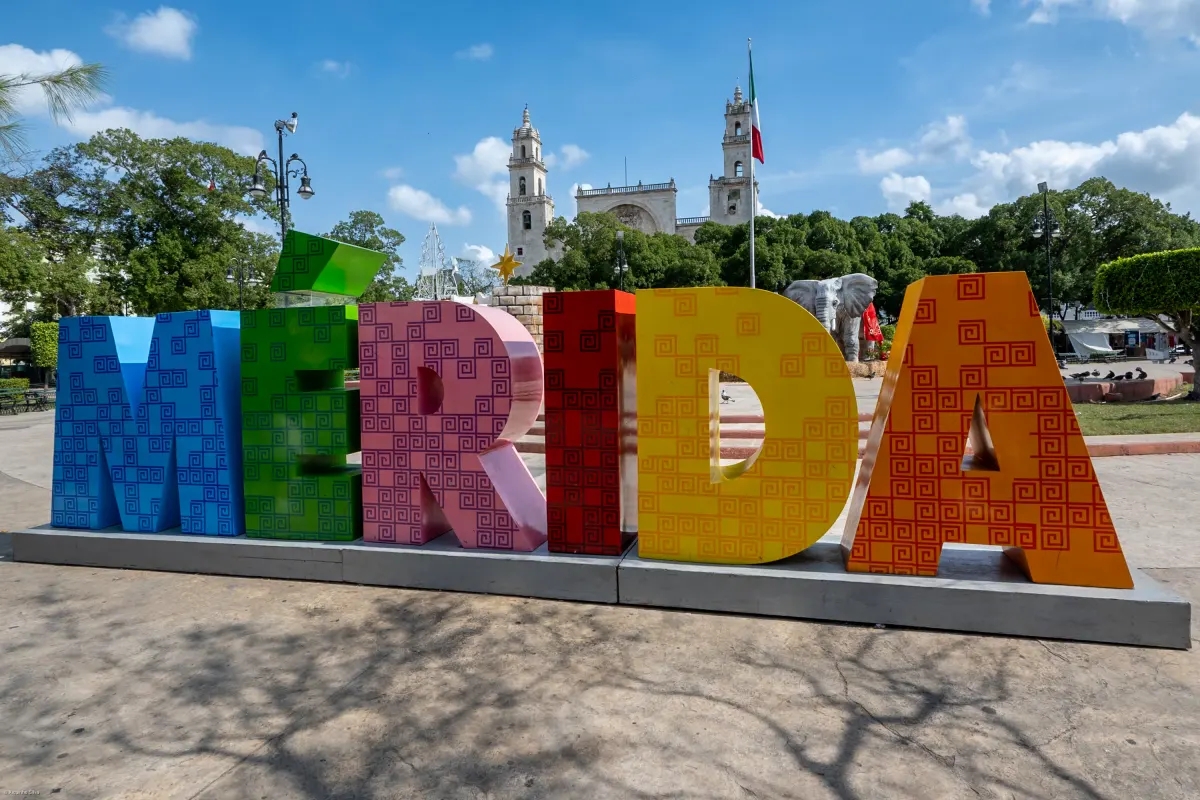
- All our Mexico itineraries stay in these lower-level states: Mexico City, Puebla and Querétaro, the Yucatán peninsula, Oaxaca and Baja California Sur.
How the violence affects travellers
- Tourists aren't usually the target. The dangers are being caught in crossfire, being mistaken for someone else, roadblocks and robbery on the road.
- In trouble, stay put. When criminal groups block roads or burn vehicles, usually after an arrest, stay in your hotel away from windows, follow local news and your government's alerts, and don't try to drive to the airport.
- Don't go to remote or rural areas in the states above. Outsiders there are treated with suspicion.
- Don't photograph or film police, soldiers, armed men or checkpoints. Never ask about cartels.
- Don't have anything to do with drugs: see Staying safe.
Kidnapping
- Express kidnapping: people are held, often in a taxi, and made to take money out of machines. Use app cars or official stands, and cash machines inside banks or shopping centres in daylight.
- Virtual kidnapping: someone phones your hotel room or your family and says a relative is being held. Hang up, and contact the person directly. Agree beforehand how your family will reach you.
- People have also been kidnapped or robbed by someone met on a dating app. Meet in public, and tell somebody.
- If you're robbed or held, don't resist.
Roads and roadblocks
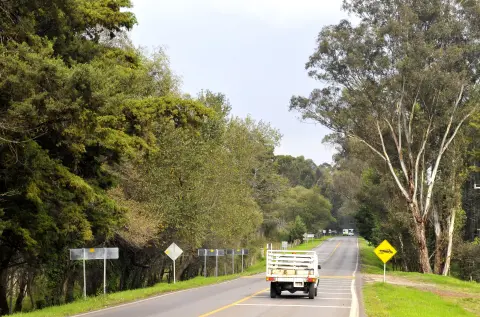
- Travel between cities in daylight, on toll roads or by air, and by first-class bus: see Getting around and Driving.
- Stop at every checkpoint or roadblock. People who don't have been killed. Army and police checks are normal: be polite, and open the boot if asked.
- At a local blockade where people ask for money, pay a small toll or turn back calmly. They're common in Chiapas, Oaxaca, Guerrero and Michoacán.
If something happens
- 911 for police, ambulance and fire. Mexico City's tourist police are on 55 5207 4155, and on WhatsApp at +52 55 4891 1166.
- Report a crime in person to the state prosecutor's office (Ministerio Público or Fiscalía) before you leave Mexico. There's no investigation without it, and insurers ask for it.
- Register with your government's travel alerts, and save its embassy's number.

Comments