
Health in Mexico: water, stomach bugs, altitude, mosquitoes, measles, vaccinations and hospitals
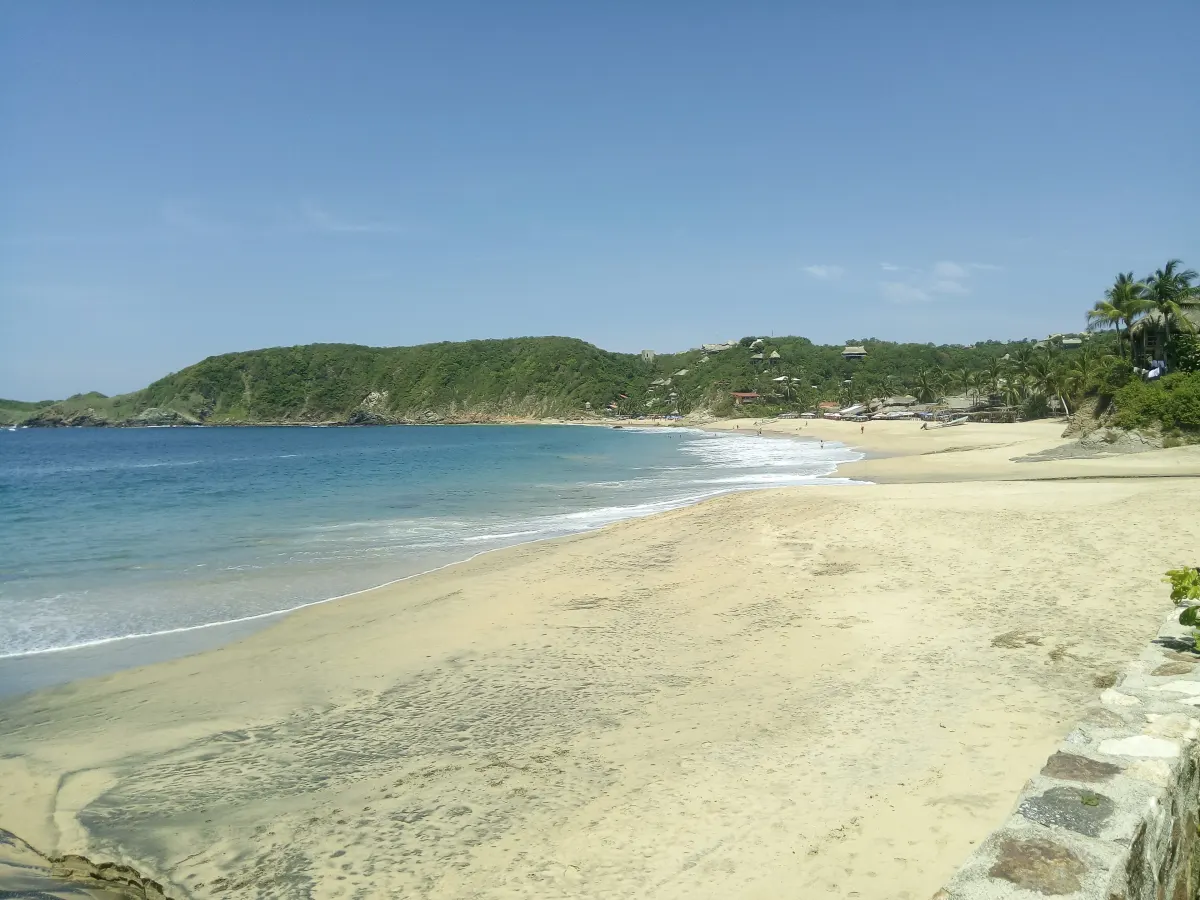
Most visitors get nothing worse than an upset stomach and sunburn. See a travel clinic about eight weeks before you go, and buy insurance that covers private hospitals and being flown home.
Vaccinations
- The UK's TravelHealthPro recommends hepatitis A, tetanus and typhoid for most travellers. Rabies, hepatitis B, dengue and chikungunya vaccines are for some.
- Measles: Mexico has had a large outbreak, with over 10,000 cases reported in 2026 by early May. Make sure you and your children have had MMR.
- There's no yellow fever requirement, according to the UK, US and Canadian health authorities.
Water and stomach upsets
- Don't drink tap water. Use bottled or purified water (agua purificada), which hotels usually supply in big bottles, and brush your teeth with it if you're cautious. Refill rather than buying plastic.
- The British and Australian governments say to avoid ice too. Bars and restaurants in cities and resorts normally use factory-made ice from purified water, so ask if you're not sure.
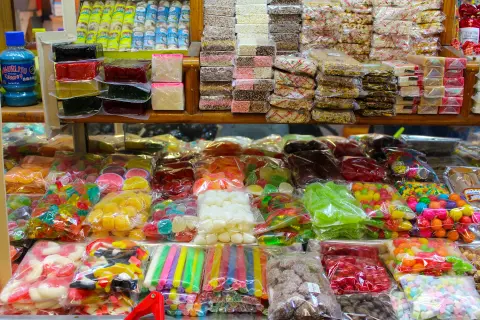
- Eat food that's cooked to order and hot, at stands with a queue. Be careful with salads, raw shellfish, unpasteurised cheese and cut fruit that's been standing.
- Cyclospora, a parasite that gives long-lasting diarrhoea, has been found in people coming home from Mexico in 2026, including from Cancún and the Riviera Maya. It's carried on fresh herbs, berries and salads, and washing doesn't always remove it. If you're ill for over a week, see a doctor and mention it.
- Bring rehydration salts. Pharmacies sell suero (Electrolit and others). See a doctor for blood, a high fever or if a child is ill.
- Don't swallow water when you swim.
Altitude
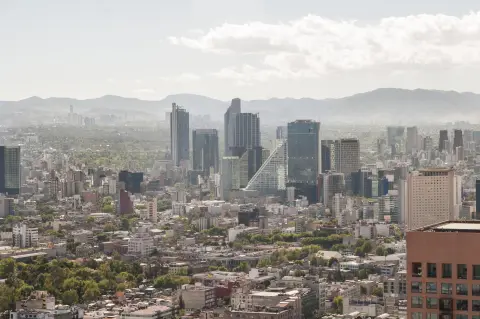
- Mexico City is at about 2,240 metres, and Puebla, Toluca, Pátzcuaro and San Cristóbal are high too. Many people feel breathless, headachy or sleep badly for a day or two. Go slowly, drink water, eat lightly, and leave alcohol for later.
- Climbing above 3,000 metres, as on Iztaccíhuatl or Nevado de Toluca, needs several days to get used to the height. If you get a bad headache, confusion or a wet cough, go down.
- Talk to your doctor first if you have heart or lung disease or are pregnant.
- Air pollution in Mexico City is worst from about December to March, and bad days can last to June. Bring your inhaler.
Mosquitoes
- Dengue, chikungunya and Zika are spread by mosquitoes that bite in the day, mostly on the coasts and in the lowlands below about 2,000 metres, worst in and after the rains (June to November). Use a strong repellent, cover up, and sleep in a screened or air-conditioned room.
- If you're pregnant or planning to be, get advice about Zika.
- With a fever, use paracetamol and not aspirin or ibuprofen until dengue is ruled out.
- Malaria risk is very low in most places, and TravelHealthPro only advises avoiding bites. The US CDC suggests tablets for parts of Campeche, Chiapas and southern Chihuahua. Ask a clinic if you're going to rural parts of those.
Sun, heat and animals
- It's hottest from April to June, over 40 °C inland in Yucatán and the north. See ruins at opening time, and carry water.
- At cenotes and marine parks, ordinary sunscreen is usually banned. Wear a long-sleeved swim top.
- Dogs and bats can have rabies. Wash any bite for 15 minutes, and get treatment the same day.
- In the northern border states there's Rocky Mountain spotted fever, from ticks on dogs.
- Scorpions live in dry areas: shake out shoes. Many hospitals have antivenom.
Pharmacies and medicines
- Use chains such as Farmacias Guadalajara, del Ahorro, Similares or Benavides, many with a doctor beside them who sees people for very little money. Foreign prescriptions may be refused without a translation.
- Beware of pharmacies in tourist streets offering opioids, sedatives or stimulants without a prescription. Pills have been fake and laced with fentanyl.
- Bring enough of your own, in original packaging, with a copy of the prescription. Antibiotics and controlled drugs need a Mexican one.
Doctors and hospitals
- 911 for an ambulance. Many are private, may charge a lot, and may take you to a hospital they have a deal with. A taxi is often quicker in town.
- Private hospitals in big cities and resorts are good but very expensive, and want payment first. Phone your insurer at once. Some resort hospitals have overcharged: ask for prices in writing.
- In rural areas there may be only a basic clinic.
- If you're going for cheap surgery or dental work, read your government's advice: infections and deaths have followed some.
- Divers: there are decompression chambers in Cozumel, Cancún, Playa del Carmen, Cabo and La Paz. Don't fly within 18 to 24 hours of diving, or go up to the mountains.
Comments