
Weather and seasons in Canada: when to go where, what to pack and the new time zones
For most trips, June to September is the time, with September the best month of all: warm days, few insects, thinner crowds and the first colours. But winter is a season to travel for, not just to endure.
When to go where
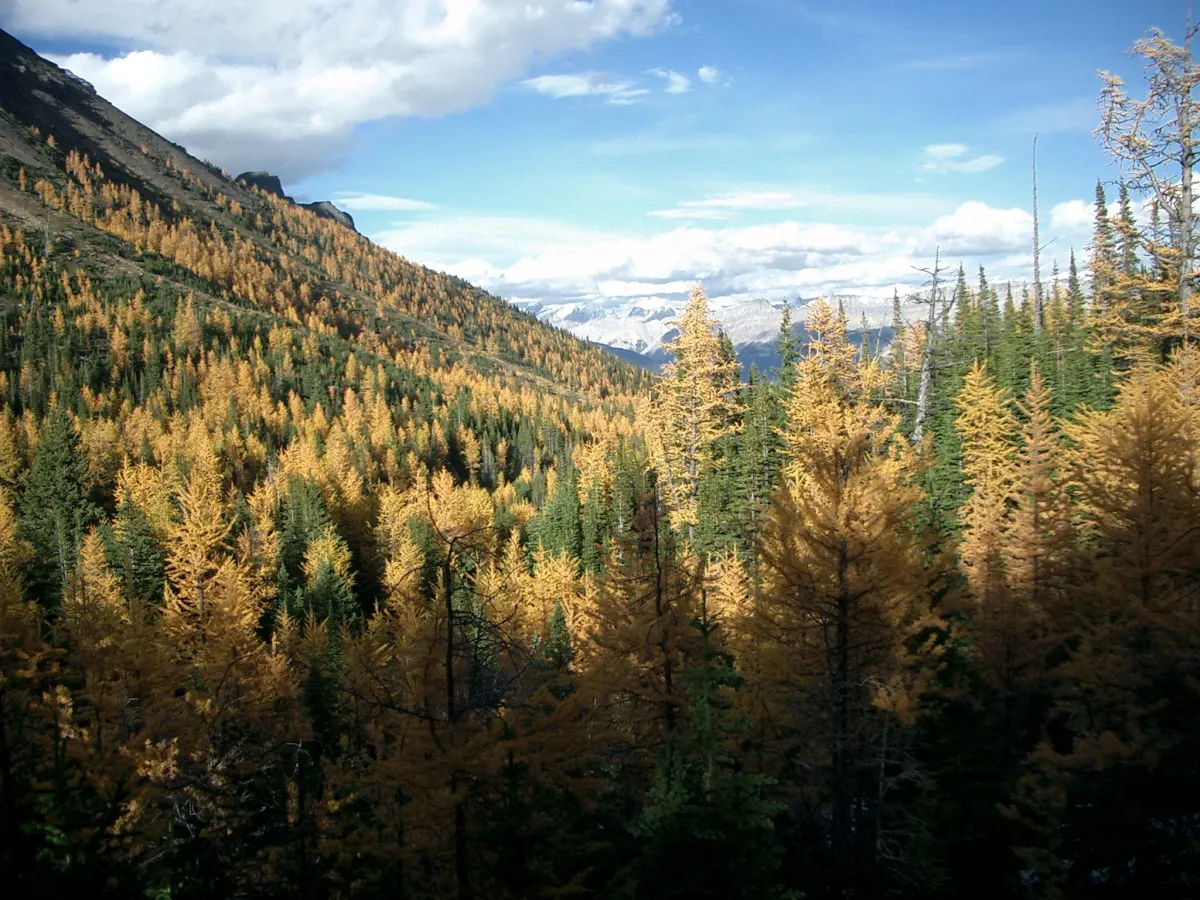
- The Rockies: late June to mid-September for hiking. Moraine Lake is frozen until about early June and its road is open from June to mid-October. Larches turn gold in the second half of September. December to April is for skiing. May and November are between seasons, with much closed.
- Vancouver and Vancouver Island: May to September is mild and mostly dry. Winter is wet, with little snow at sea level; Tofino sells it as storm-watching. Cherry blossom is in late March and April, and Victoria's Butchart Gardens are in flower from spring to autumn.
- The Prairies: June to September. The Calgary Stampede fills that city for ten days in July.
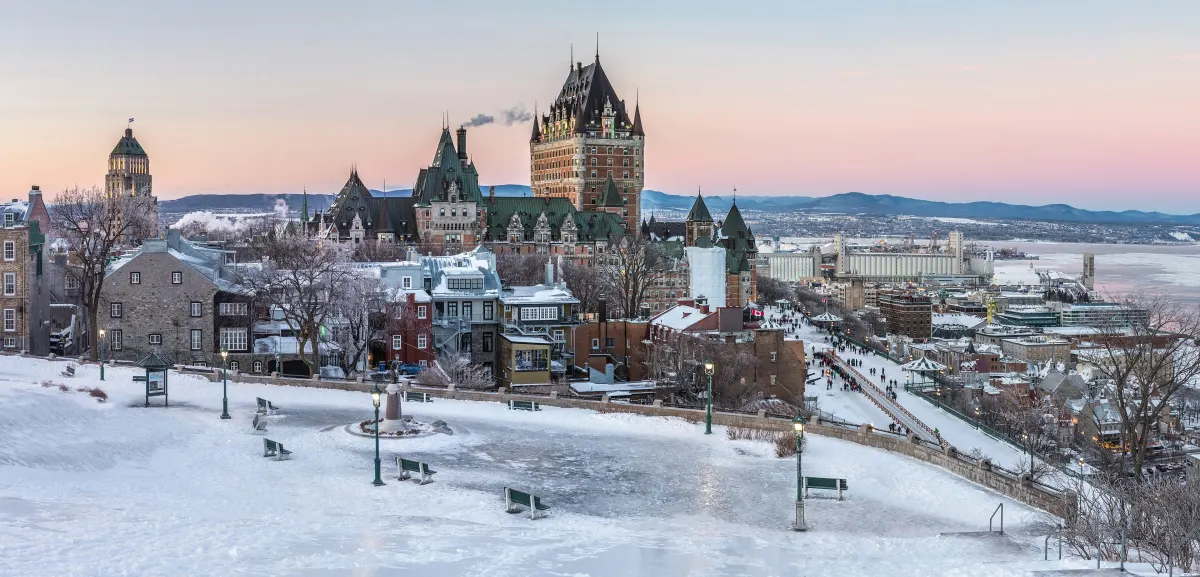
- Ontario and southern Quebec: May, June, September and early October. July and August are hot (25 to 33°C) and humid. Autumn colours peak from about 20 September in Algonquin and the Laurentians to mid-October in Niagara and Québec City.
- Atlantic Canada: late June to early October. Spring is late and foggy. The sea is warmest in August, round Prince Edward Island. Icebergs drift past Newfoundland in May and June; whales come from about June to September.
- The Yukon and Northwest Territories: June to August for long days (midnight sun on the Arctic Circle in June) and late August and early September for red tundra, few insects and the first auroras. The northern lights last until April.
- Churchill: October and November for polar bears, July and August for belugas.

Moraine Lake and Lake Louise, Banff
Two glacier-fed lakes of brilliant turquoise in Banff National Park, Canada's oldest national park.

Cabot Trail, Cape Breton
A 298 km loop road around northern Cape Breton Island in Nova Scotia, through the Cape Breton Highlands National Park, with ocean cliffs, Acadian and…

Churchill polar bears
A small town on Hudson Bay, the 'polar bear capital of the world', where bears gather each October and November waiting for the sea to freeze.
Temperatures
- Usual highs in January: Vancouver 7°C, Calgary −1, Winnipeg −11, Toronto −1, Montréal −5, Halifax 0, Yellowknife −21.
- Usual highs in July: Vancouver 22°C, Calgary 23, Winnipeg 26, Toronto 27, Montréal 27, Halifax 23, Yellowknife 21.
- Extremes are part of the deal. Heatwaves bring 35°C or more almost everywhere in the south, and the warm chinook wind can lift Calgary by 20 degrees in a winter's day.
- In late 2026 a very strong El Niño was expected to bring most of Canada a milder winter, with sharp cold spells, less reliable snow at low ski resorts and perhaps less time for skating on the Rideau Canal.
Busy times
- July and August are the school holidays. Book the Rockies, Tofino, the Cabot Trail and Prince Edward Island six months ahead or more. Quebec's construction holiday, in the last two weeks of July, fills its resorts.
- The long weekends (see Holidays) fill campsites and ferries. March break and the weeks round Christmas fill the ski resorts.
- Out of season, from mid-October to mid-May, many places to stay in the Atlantic provinces and the North close.
Festivals
Québec's Winter Carnival and Ottawa's Winterlude are in late January and February, sugar-shack season is in March and April, Montréal's jazz festival and Toronto's Pride are in late June, the Calgary Stampede is in July, Edmonton's Fringe and Toronto's big exhibition (the CNE) are in August, the Toronto film festival is in September, and Cape Breton's Celtic Colours is in October.
What to pack
- Summer: layers, a rain jacket, a fleece (mountain nights drop to near freezing), walking shoes, a sun hat, and insect repellent and a head net for forests and the North. Blackflies are worst in May and June, mosquitoes in June and July.
- Winter: thermal underwear, a down or thick synthetic coat, insulated waterproof boots, mittens, a hat, a scarf and sunglasses. Buildings are very warm inside, so dress to peel off. You can hire the heaviest gear in Yellowknife, Whitehorse and Churchill.
Time zones: changed in 2026
Most of the west and north stopped changing the clocks in 2026, and stays on summer time all year. Ontario (except parts of the north-west), Quebec, the Atlantic provinces and most of Nunavut still change them, in March and November. So the gap between east and west is now an hour smaller in winter. Some websites, old phones and cars show the wrong time: check flights and bookings.
- British Columbia and the Yukon: UTC−7 all year. A few places in south-eastern British Columbia follow Alberta.
- Alberta, Saskatchewan and the Northwest Territories: UTC−6 all year.
- Manitoba: UTC−5 all year.
- Ontario and Quebec (mostly): UTC−5 in winter, −4 in summer.
- New Brunswick, Nova Scotia and Prince Edward Island: UTC−4 and −3. Newfoundland: half an hour ahead of them (UTC−3:30 and −2:30).
It also makes winter mornings dark: on 1 January, the sun rises at about 9.07 am in Vancouver and 9.50 in Edmonton.
Forecasts
The official ones are at weather.gc.ca and in the WeatherCAN app. For the mountains, look at the forecast for the height you're going to.
See also Northern Lights and winter trips and Safety.

Comments