
Health care and travel insurance in Canada
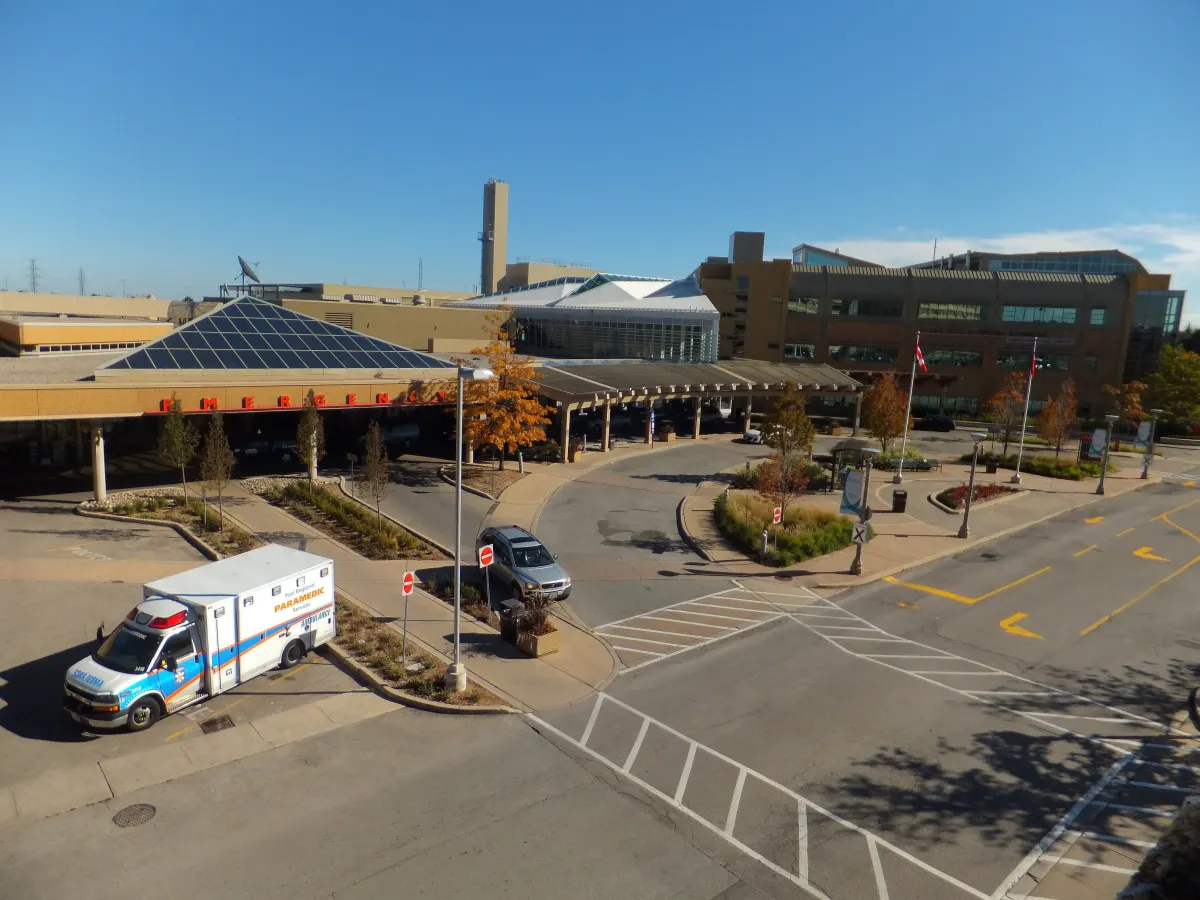
Canada's health care is free only for residents. Visitors pay the full price, which is high, and no reciprocal agreement covers British, Australian or EU visitors. Buy insurance.
Emergencies
- Call 911 for police, fire or ambulance nearly everywhere, free from any phone. A few remote areas have local numbers instead.
- 811: a free nurse's advice line in most provinces and territories. 988: the suicide and crisis line, by call or text, at any hour.
- An ambulance is charged for too, and a helicopter in the mountains can cost many thousands of dollars without cover.
What it costs, and insurance
- One Ottawa hospital charges people from outside Canada CAN$1,242 for an emergency visit, and Niagara's hospitals charge CAN$3,750 a day for a bed on a ward and CAN$4,500 in intensive care (2026 prices), before the doctors' fees.
- Take a policy with at least several million dollars of medical cover, evacuation home, and all you plan to do: skiing off the piste, snowmobiling, climbing, canoeing and hiking above 2,500 or 3,000 m are often left out. Declare existing illnesses.
- Call your insurer's helpline before treatment if you can. Keep every receipt.
- Quebec and some other provinces have bilateral agreements with a few countries, but mainly for workers and students.
Getting treatment
- For something minor, go to a walk-in clinic (clinique sans rendez-vous in Quebec), where a visit costs roughly CAN$100 to 250. Ask a pharmacist first: in most provinces they can prescribe for common ailments.
- Emergency departments see the most serious cases first, and waits of six hours or more are common. Small-town ones sometimes close for a night or a weekend for lack of staff, so check.
- In the North, serious cases are flown south.
- Dentists are private and expensive.
Medicines
Bring what you need in the original packaging, with a copy of the prescription. A foreign prescription usually isn't accepted, so a Canadian doctor has to write a new one. Weak codeine painkillers, sold freely elsewhere, need a prescription or a pharmacist's decision in most provinces. The big chemists' chains are Shoppers Drug Mart (Pharmaprix in Quebec), Rexall, London Drugs and Jean Coutu.

Health risks
- Measles: a two-year outbreak with more than 6,400 cases was declared over in October 2026. Check that you've had two doses.
- Ticks carry Lyme disease in southern Ontario, Quebec, Nova Scotia, New Brunswick and southern Manitoba, and to a lesser extent in British Columbia. Use repellent, wear long trousers in long grass, and check your skin.
- Mosquitoes and blackflies bite furiously in forests and the North from mid-May to August. Bring a head net. A few carry West Nile virus.
- Water: tap water is safe, except where a notice says to boil it. Boil or filter water from streams, because of giardia ("beaver fever").
- Altitude can cause headaches for some people in the high Rockies. Smoke and cold are covered in Safety.
See also phones and the internet, Safety and Arriving.

Comments