
Safety in Canada: bears, wildfire smoke, cold, water, mountains and crime
Canada is one of the safest countries you can visit. In November 2026 the UK had no warnings against travel to any part of it. Nature is the greater danger: cold water, cold air, mountains, wildlife and, more and more, fire.
Bears
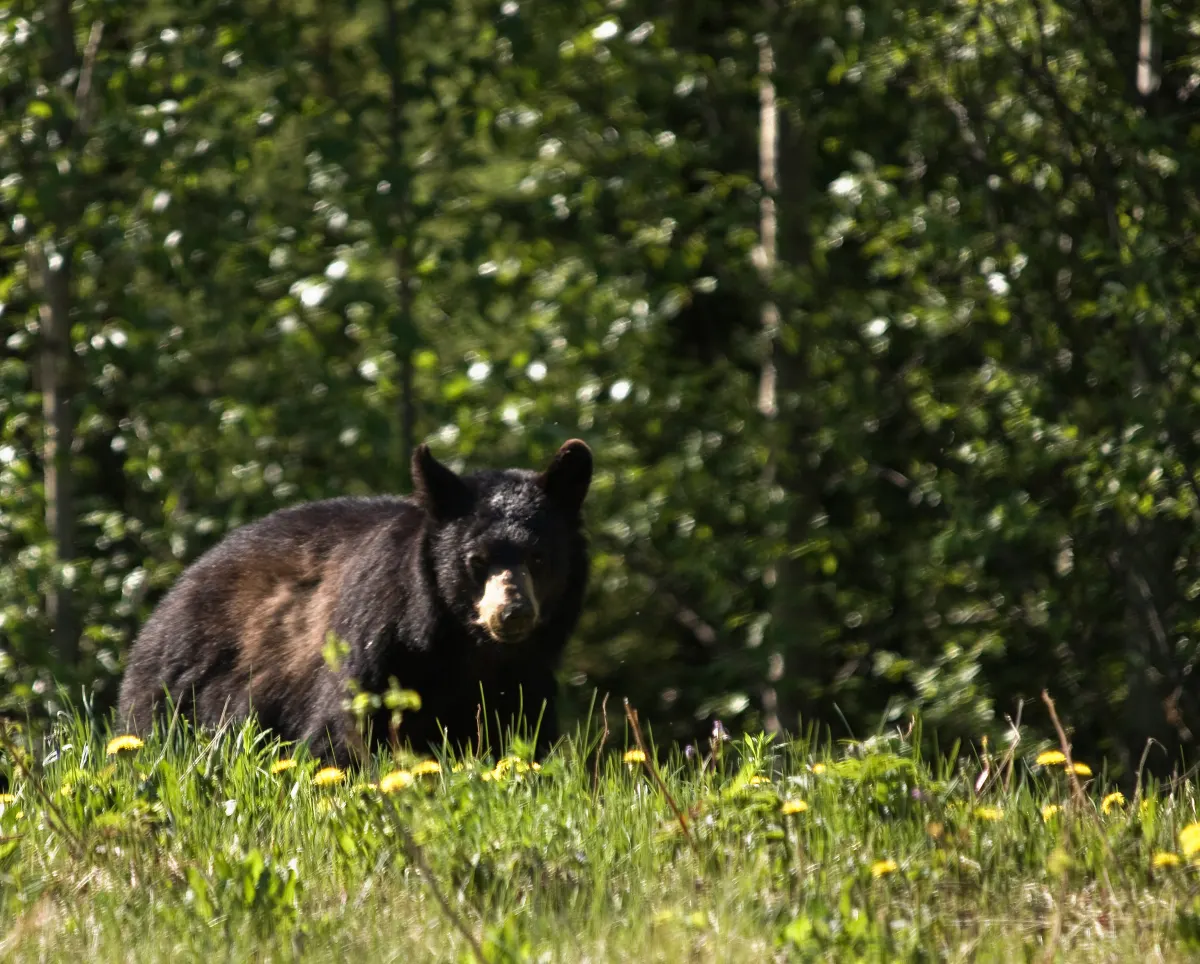
- Black bears live almost everywhere outside the cities, grizzlies in the Rockies, British Columbia and the North, and polar bears on the Arctic coast and Hudson Bay.
- Make noise: talk, sing and clap, above all near streams, in thick bush, in berry patches and on windy days. Bells don't work. Walk in a tight group, by day, with children close and dogs on a lead.
- Carry bear spray where you can reach it, and know how to use it. It works at under about 10 metres. Buy or hire it locally, as it isn't allowed on planes.
- If you meet a bear: stop, stay calm and don't run. Pick up small children, speak in a low voice, back away slowly and leave it a way out. If it charges, stand your ground and use the spray.
- If it attacks: for a defensive attack (a surprised bear, usually a grizzly or one with cubs), lie on your front, protect your neck and play dead. If it has stalked you, comes into your tent, or goes on for long, fight back with everything.
- Stay at least 100 metres from bears, wolves and cougars, and 30 metres from elk, moose, deer and bison. Never feed any animal. Leave nothing that smells in a tent or on a table.
- If you see one from the road, stay in the car and drive on slowly.
More in National parks. Around Churchill, never walk outside the town alone, and go out only with a guide.
Other animals
- Elk and moose hurt more people than bears do. Elk are dangerous with calves in May and June and in the rut in September and October, even in the middle of Banff and Jasper.
- Cougars live in the west, most of all on Vancouver Island. Face one, look big, shout and fight back. Never run.
- Bats, foxes, skunks and raccoons can carry rabies. Ticks are covered in Health care.
Wildfires and smoke
- The fire season runs from May to September or later. More than 4 million hectares had burned by mid-August 2026, after very bad years in 2023 and 2025. Most fires are far from any town, but smoke can spread for thousands of kilometres.
- See the Canadian Wildland Fire Information System and the province's own map. If you're told to be on alert, pack the car; on an evacuation order, go at once. Highways close with little warning, so know a second way out and keep half a tank of fuel.
- Check the Air Quality Health Index in the WeatherCAN app. At 7 or more, cut down on exertion, keep windows shut and wear an N95 mask outside. People with asthma or heart disease, the old, children and pregnant women should take the most care.
- Fire bans are strict. In the summer of 2025 Nova Scotia closed its woods altogether, with fines of CAN$25,000. Check before you light a fire, or even go hiking, in a dry spell.
- Book rooms you can cancel in July and August.
Cold
- Winter is −5 to −15°C in much of the south, −20 to −35°C on the Prairies and colder in the North, and wind chill makes it feel far worse. At a wind chill of −28, skin can freeze in 10 to 30 minutes; at −40, in under 10.
- Wear layers (wool or synthetic, not cotton), a windproof shell, warm boots, mittens, a hat and something over your face. White or numb skin is frostbite: warm it gently indoors, without rubbing.
- Pavements are icy: slip-on grips help.
- Go on frozen lakes and rivers only where they're marked as open.
Water
- Lakes, rivers and the sea are cold all summer, and cold shock kills good swimmers. Wear a lifejacket in a canoe or kayak, always.
- Stay behind the barriers at waterfalls and canyons: wet rock is slippery, and people die each year taking photos.
- At Peggy's Cove, stay off the black rocks: waves sweep people off them. Watch for sudden big waves at Tofino too.
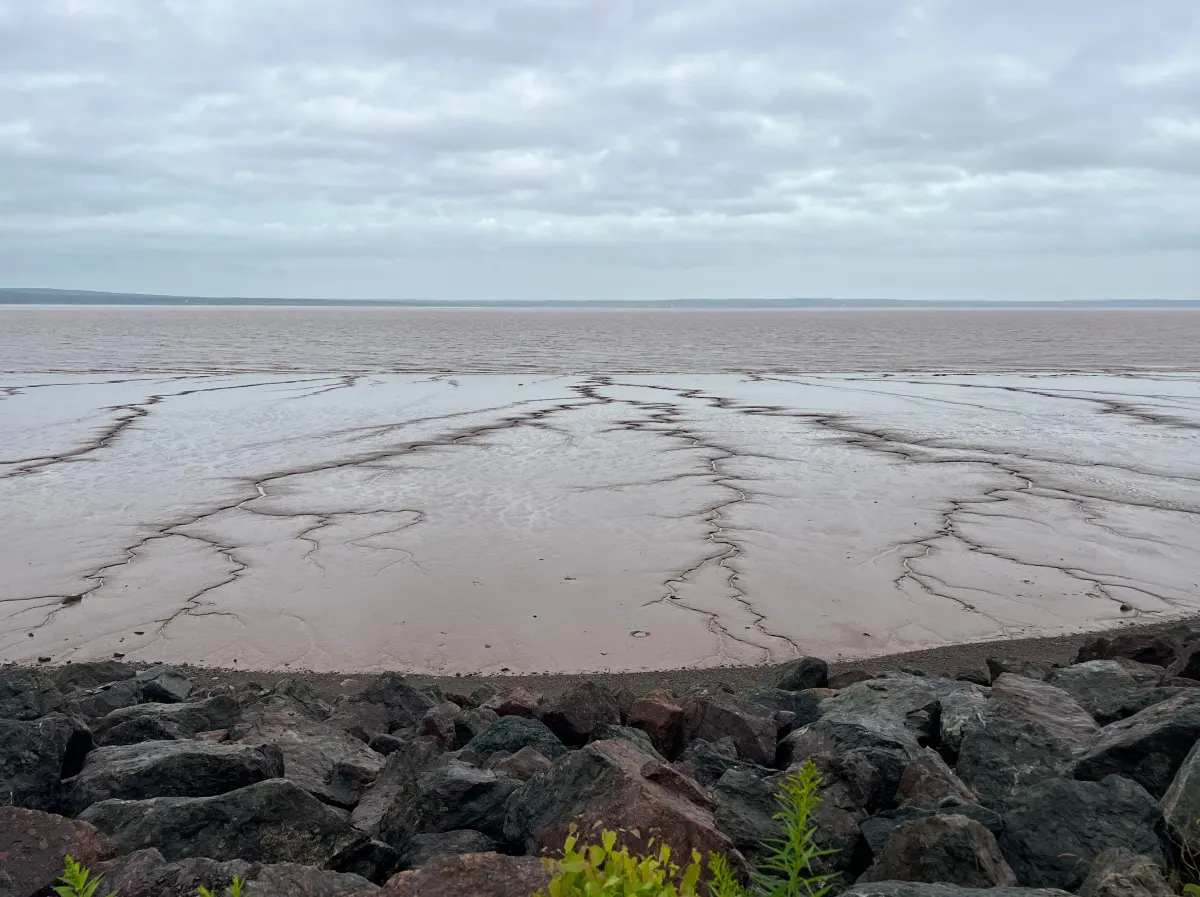
- In the Bay of Fundy, the tide rises up to 16 metres in six hours. Check the tables, and leave the sea bed when told.
Mountains
- Snow lasts on high trails until July and can fall in any month. Take a map, rain gear, warm clothes, food and a lamp, tell someone your plan, and turn back early.
- Avalanches kill about a dozen people a year. From November to June, check avalanche.ca, and don't go off the piste or snowshoeing in avalanche country without training, a transceiver, a probe and a shovel, or a guide.
- Don't walk on glaciers without a guide: the crevasses are hidden.
Crime and people
- Violent crime against visitors is rare. Theft from cars is common, especially at trailheads and in Vancouver: leave nothing in sight. Watch your bag and phone in stations and at festivals.
- In some city centres you'll see homelessness and open drug use, above all in Vancouver's Downtown Eastside, round Hastings and Main. People there rarely bother others, but avoid it at night. Street drugs are often laced with fentanyl and kill thousands of people a year.
- Terrorism: the UK says that attacks are likely to be tried, as in most of the West. Demonstrations are usually peaceful.
- Women travelling alone have few problems; take the usual care at night and with drinks.
- Police are the RCMP (Mounties) in most rural areas, provincial forces in Ontario and Quebec, and city forces. They're approachable.
Storms and earthquakes
- Hurricanes or their remains reach the Atlantic provinces, mostly from August to October. Tornadoes strike southern Ontario, Quebec and the Prairies from May to September. Ice storms and blizzards close roads from November to April.
- Official warnings are colour-coded yellow, orange and red. Act on orange and red.
- The west coast has earthquakes. If you feel one there, drop, cover and hold on; if you're by the sea, then go to high ground at once.
See also Driving and Weather and seasons.




Comments