
Culture and etiquette in Canada: French in Quebec, manners and holidays
Canada is a federation of very different places: Indigenous nations, French-speaking Quebec, the Gaelic and Acadian Atlantic, and cities such as Toronto and Vancouver, where about half the people were born abroad. Ask people about where they're from, and not about how they differ from Americans.
French
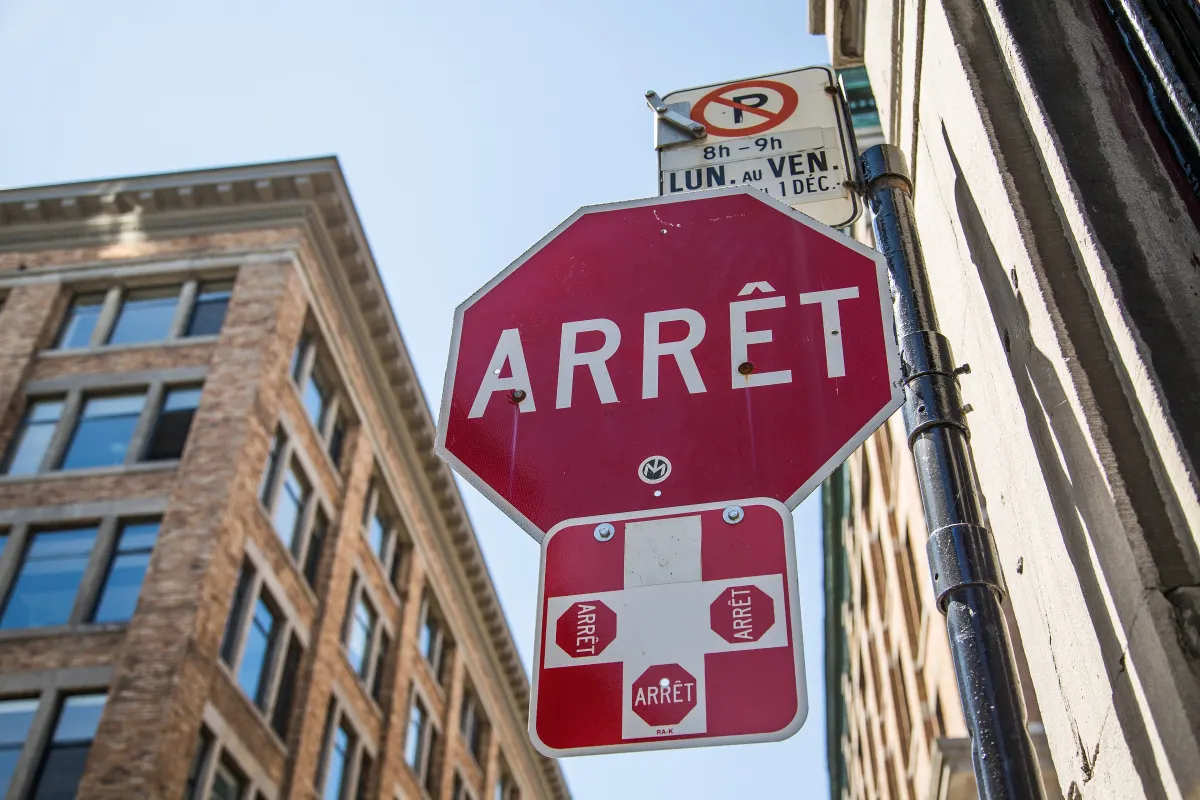
- Quebec's only official language is French. Open with bonjour, even if you then ask to speak English. In Montréal most people in shops and restaurants switch easily, and in Québec City's old town too. In the countryside, a few phrases or a translation app make a big difference.
- Signs, menus and forms are in French by law. Government offices serve visitors in English for health, safety and some other matters.
- Québécois French has its own accent and words: c'est correct (it's OK), un char (a car), un dépanneur (a corner shop), bienvenue (you're welcome).
- New Brunswick is officially bilingual, with a strong Acadian culture that flies its own flag, with a yellow star. There are French-speaking communities in Ontario, Manitoba and Nova Scotia too.
- Independence is a live subject again: the Parti Québécois won the Quebec election of October 2026, without a majority, and Albertans voted clearly in October 2026 against a step towards leaving Canada. Listen rather than argue.
Manners
- People are polite, queue, hold doors and say sorry a lot. Be on time. Take your shoes off in a home.
- Don't assume that Canada is like the USA, or joke about its joining it: after the arguments since 2025, many people are touchy.
- Men and women are equal, same-sex marriage has been legal since 2005, and Toronto, Montréal and Vancouver have some of the world's biggest Pride festivals.
- Ice hockey is the national passion. Tickets for NHL games are dear; junior and minor-league games are cheap and just as much fun.
Holidays
Victoria Day (24 May 2027) opens the summer. Canada Day is 1 July and Quebec's Fête nationale is 24 June. There's a holiday in most provinces on the first Monday in August; Labour Day is the first Monday in September and Thanksgiving the second Monday in October. Banks, offices and many shops close, especially at Christmas and, in much of the country, on Good Friday.
See also food and drink in Canada, Indigenous peoples, Laws and Ontario and Quebec.


Comments