
Laws in Canada for visitors: cannabis and alcohol by province, drugs, smoking, weapons and drones
Criminal law is the same all over Canada, but each province and territory makes its own rules on cannabis, alcohol, smoking and driving. Crossing a provincial line can change your rights.
Cannabis
- It's legal for adults. The age is 21 in Quebec, 18 in Alberta and 19 everywhere else. Bring your passport.
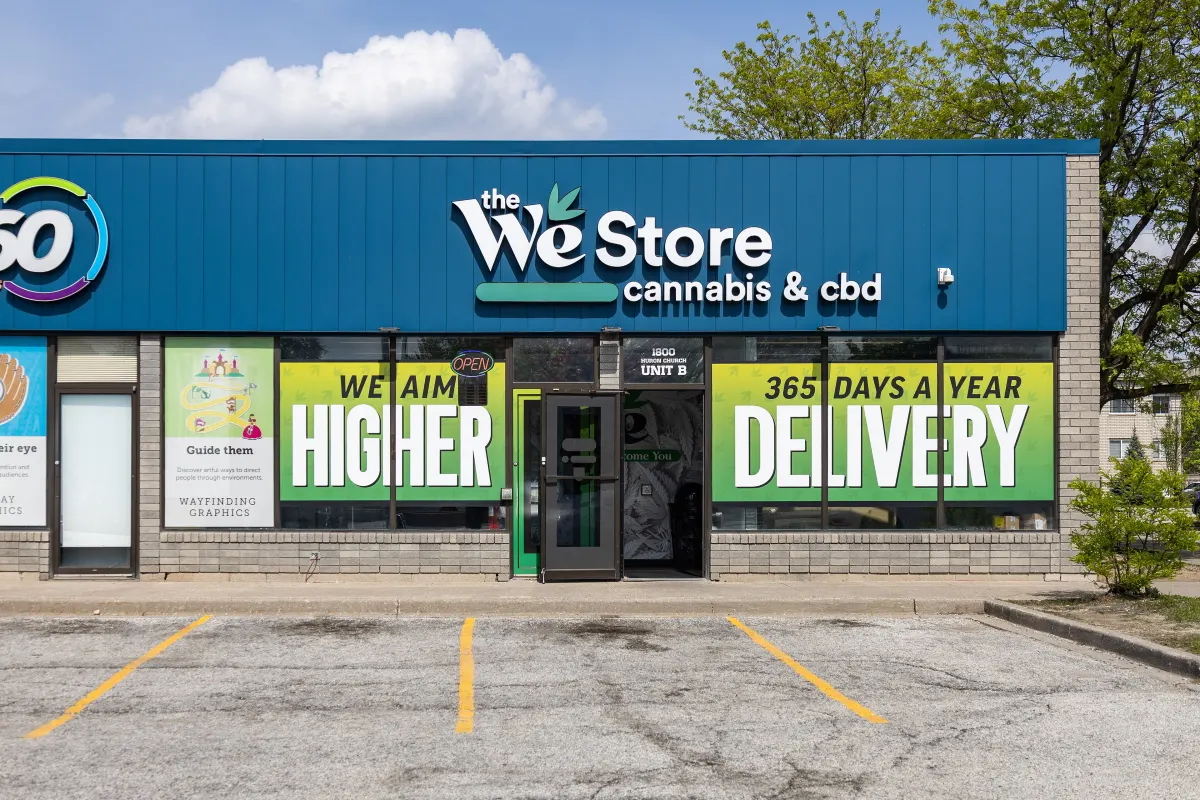
- You can carry up to 30 g of dried cannabis (or the equivalent) in public. Buy only from licensed shops: state-run (SQDC) in Quebec and in parts of the Atlantic provinces, private in Ontario, Alberta and others.
- Where you can smoke it: in Quebec, not in any public place, including streets and parks. Ontario and British Columbia mostly allow it where tobacco is allowed. Several others, including Manitoba, New Brunswick and Newfoundland and Labrador, ban it in public. Never in a car, and not in most hotels, hire cars or rented flats: cleaning fees are high.
- You can fly within Canada with up to 30 g. Never take it across the border, in either direction, in any form, even to a US state where it's legal, or in a bag that's changing planes. The maximum penalty is 14 years in prison.
- Edibles take up to two hours to work. Start with very little, and keep them from children.
- Parks Canada restricts it in many campgrounds. Driving on it is treated like drink-driving.
Alcohol
- The age is 18 in Alberta, Manitoba and Quebec, and 19 elsewhere. Two pieces of ID are sometimes asked for: carry your passport.
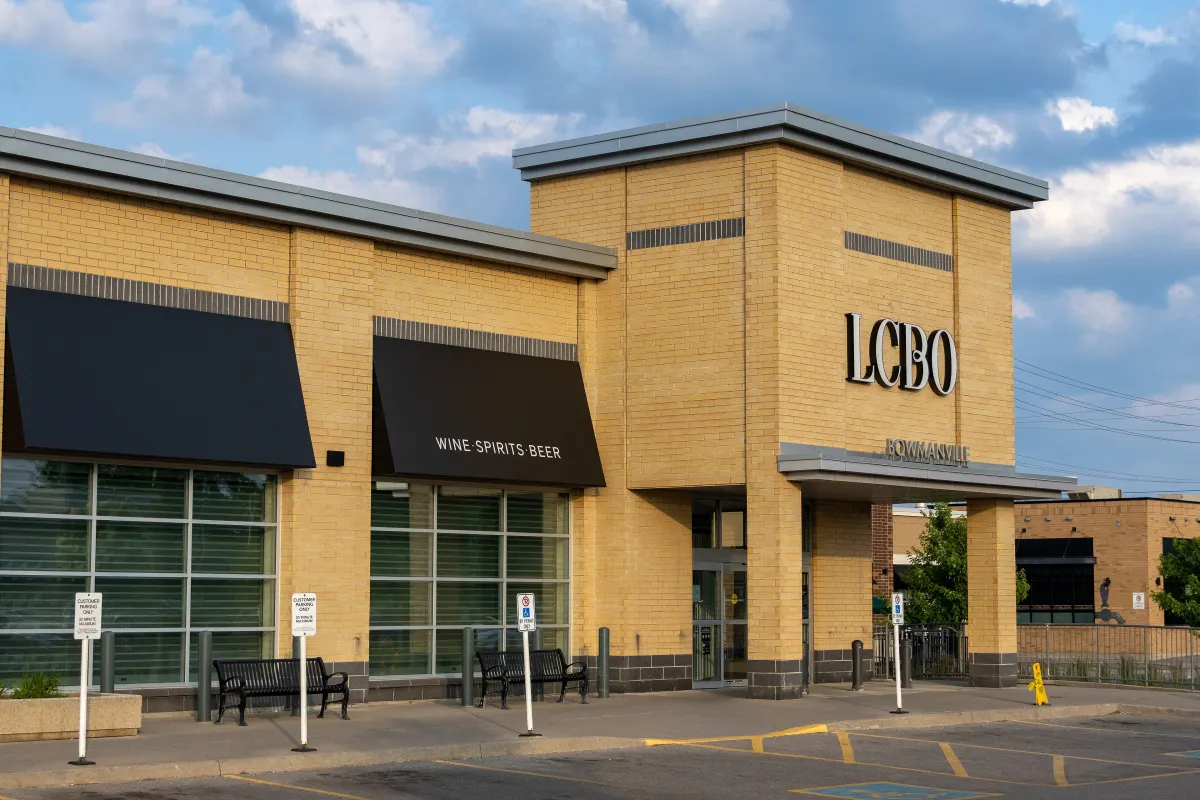
- Where it's sold: mostly government shops, such as the LCBO (Ontario), SAQ (Quebec), BC Liquor and NSLC (Nova Scotia), with shorter hours on Sundays and holidays. Beer and wine are also in corner shops and supermarkets in Quebec and Ontario; in Alberta, private shops sell everything.
- Bars close at about 2 am (3 am in Montréal).
- In public: drinking in the street is generally illegal. Some cities, including Vancouver, Toronto and Calgary, allow it in certain parks, and Montréal with a picnic. Look for signs. In a car, open bottles must be out of reach.
- Dry communities: many Indigenous communities in Nunavut, the Northwest Territories, northern Manitoba, Saskatchewan, Ontario and Quebec ban or limit alcohol, and bags can be searched. Ask before you go.
Other drugs
All others are illegal. British Columbia's experiment, which allowed small amounts for personal use, ended on 31 January 2026. Shops that sell magic mushrooms in some cities are illegal, though you'll see them. The supply is dangerous: see Safety.
Driving
The criminal limit is 80 mg of alcohol, with penalties from 50 mg in most provinces. A conviction can bar you from coming back. See Driving.
Smoking and vaping
They're banned in indoor public places, on transport, near doorways and, in many provinces, on patios, beaches and in parks and playgrounds, and in cars with children. The age for tobacco is 18, 19 or (in Prince Edward Island) 21. Flavoured vapes are banned in several provinces, including Quebec.
Weapons
Handguns, pepper spray, knuckledusters, stun guns and knives that open with a flick are prohibited. Bear spray is legal for use on animals only: carrying it in a city, or using it on a person, is a crime. Don't carry a knife "for protection".
Religion in Quebec
Under a Quebec law passed in April 2026, group prayer in streets and public parks has needed the municipality's permission since 1 September 2026, with fines of up to CAN$375 a person, and prayer rooms have gone from public universities and transport. It doesn't affect services inside churches, mosques and synagogues. Opponents want the courts to strike it down.
Nature
- Feeding, touching or disturbing wildlife, and taking flowers, antlers, fossils or stones from a national park, are offences, with fines of up to CAN$25,000.
- You need a licence to fish, even for an afternoon: a provincial one, or a national-park one inside a park.
- Boats: keep the required distance from whales: usually at least 100 metres, 200 from most killer whales, 400 from belugas and blue whales in the St Lawrence, and 1,000 from the endangered Southern Resident killer whales off southern British Columbia.
- Drones: you can fly one of under 250 g without permission, with care, away from airports and events. Visitors need Transport Canada's permission in advance for anything heavier. They're banned in national parks.
- Campfires, fireworks and even hiking can be banned in dry weather.
Day to day
- Carry a copy of your passport. Police can ask for ID only with a reason, or when you drive.
- Jaywalking and cycling without lights can be fined. Cycling helmets are compulsory in some provinces, including British Columbia, and for children in Ontario and Alberta.
- Hate speech, and discrimination over race, religion, sex or sexuality, are illegal.
- If you're arrested, you can stay silent and call a lawyer, and your embassy.
This is a summary and not legal advice: rules change, so check the province's website. See also Arriving.

Comments