
Indigenous peoples in Canada: visiting First Nations, Inuit and Métis communities
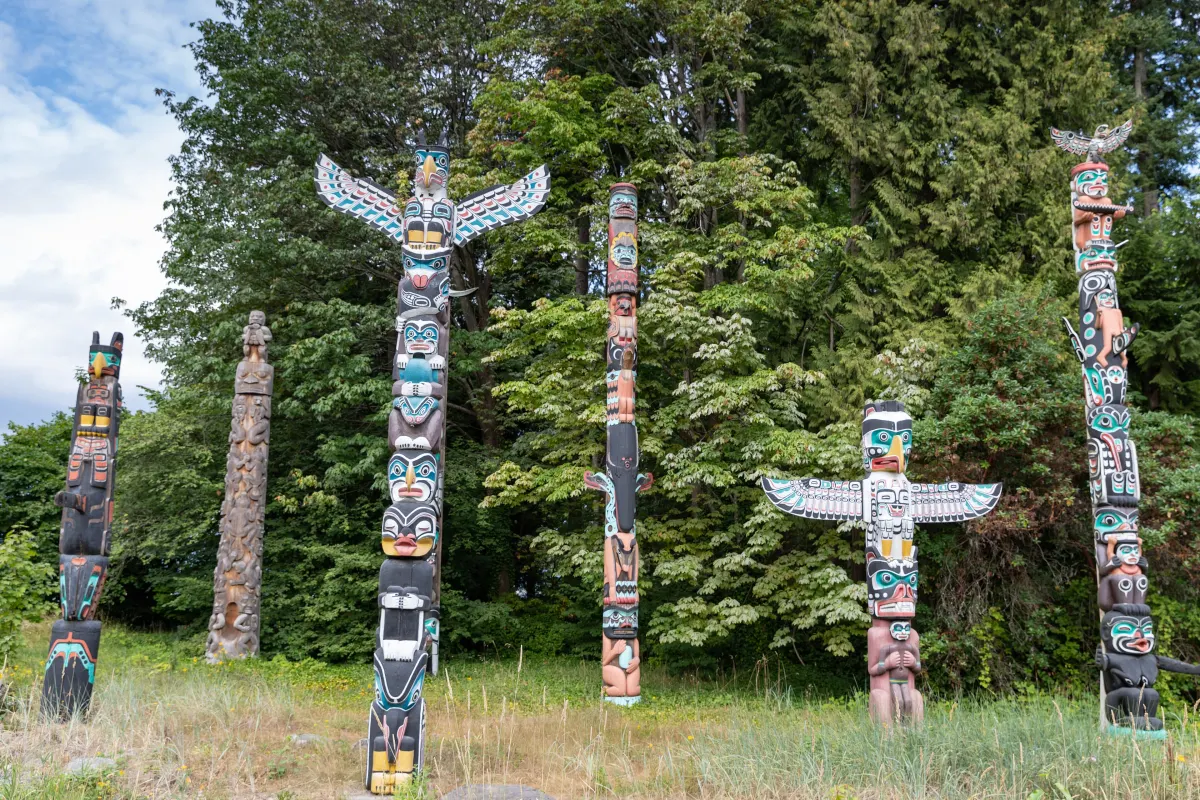
Indigenous peoples have lived in what is now Canada for thousands of years, and their art, food and history are among the best reasons to come. Here's a short introduction, and how to be a good visitor.
Indigenous peoples
- There are three groups: First Nations (more than 600 communities, in some 50 nations), Inuit in the Arctic, and Métis, whose ancestors were both Indigenous and European. Together they're about 5% of Canadians. Use a nation's own name if you know it, such as Haida, Cree, Mi'kmaq or Anishinaabe. Don't say "Indian" or "Eskimo".
- Land acknowledgements: at events, on websites and even on planes, you'll hear whose traditional territory you're on, and if it's covered by a treaty or was never ceded (most of British Columbia). Listen quietly. You can look up any place at native-land.ca, a map made by an Indigenous-led charity.
- Residential schools: from the 1800s until the 1990s, about 150,000 Indigenous children were taken from their families to boarding schools, where many were abused and thousands died. It's a recent wound. The National Day for Truth and Reconciliation is 30 September, when people wear orange shirts. National Indigenous Peoples Day is 21 June.
- Where to learn: the Museum of Anthropology in Vancouver, the Grand Hall of the Canadian Museum of History, and the Museum for Human Rights in Winnipeg. Best of all is a guided walk, meal or trip led by Indigenous people: the provinces' tourist boards list them, and businesses checked by the Indigenous Tourism Association of Canada show the Original Original mark.
Attractions
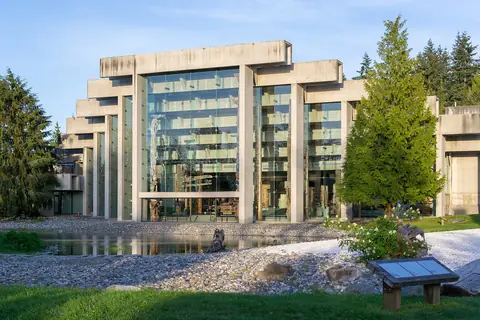
Museum of Anthropology, UBC
Vancouver, British Columbia
Northwest Coast First Nations art, with totem poles in a glass hall and Bill Reid's carving The Raven and the First Men.
Attractions
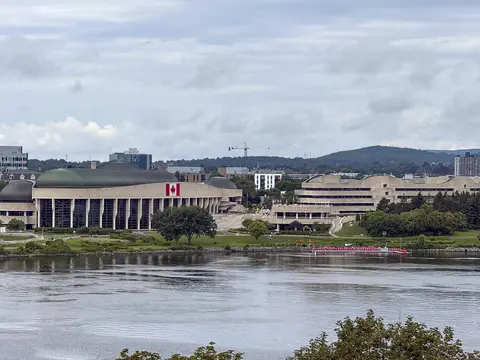
Canadian Museum of History
Gatineau, Quebec
The Grand Hall of totem poles from the Pacific coast, and Canada's story, with views of Parliament.
Attractions
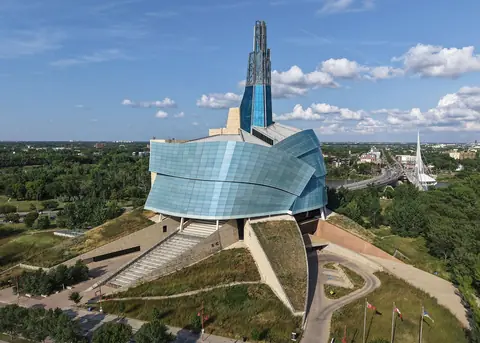
Canadian Museum for Human Rights
Winnipeg, Manitoba
A museum of human rights stories in a striking building with glowing alabaster ramps and a tower view.
Visiting Indigenous communities
- Reserves and settlement lands are people's homes. Check with the band office or visitor centre before you explore, camp or fish. Some beaches, trails and sacred sites are closed to outsiders, or need a permit.
- Powwows in summer are usually open to all. Stand, and take hats off, for the Grand Entry, follow the MC, and ask before you take photos or film: it isn't allowed for some songs. The dancers wear regalia, not costumes: don't touch it.
- Don't climb or touch totem poles and rock paintings, or take anything from old village sites.
- Buy art from the artist or a shop that names the artist and nation. For Inuit carvings and prints, look for the Igloo Tag.
- Some northern communities are dry: see Laws.
See also food and drink in Canada, culture and etiquette in Canada, Laws and Ontario and Quebec.


Comments