
Accessible travel in the USA: hotels, flights, transport and parks with a disability
The USA is one of the easiest countries for wheelchair users, thanks to the Americans with Disabilities Act (the ADA) of 1990. Distances, heat and older city subways are the things to plan for.
What to know, and how to get around
- Public buildings, shops, restaurants, museums and hotels have to be accessible, with ramps, lifts and toilets, unless they're historic or very small. Kerb ramps are normal in cities. New York's sidewalks and San Francisco's hills are harder.
- Hotels must have accessible rooms, with roll-in showers in the larger ones. Book directly, describe what you need, and ask them to hold that room.
- Flights: the Air Carrier Access Act gives you the right to help at the airport and to take a wheelchair free, and it shouldn't count as baggage. Tell the airline 48 hours ahead. The TSA Cares line, (855) 787-2227, arranges help with security 72 hours before. Many airports recognise the sunflower lanyard.
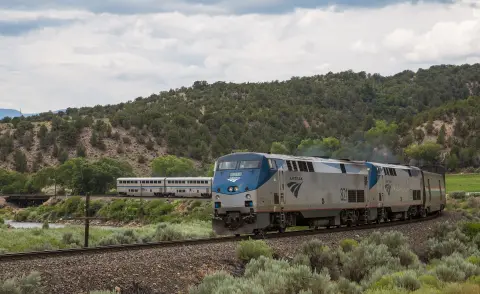
- City transport: buses almost everywhere have ramps. Washington's Metro, San Francisco's BART and the newer systems have lifts in every station, but in New York only about a third of subway stations do, in Boston most, and in Chicago about two-thirds. Amtrak carries wheelchairs on its trains: reserve the space.
- Hire cars with hand controls need booking several days ahead, and specialist companies hire out vans with ramps. A foreign disabled parking badge isn't valid everywhere: bring it, but ask the state's motor vehicle office about a temporary permit.
- Service animals are dogs (and sometimes miniature horses) trained to do a task. They can go anywhere the public goes, and no papers can be asked for. Emotional support animals don't count. Dogs arriving from abroad need a CDC form.
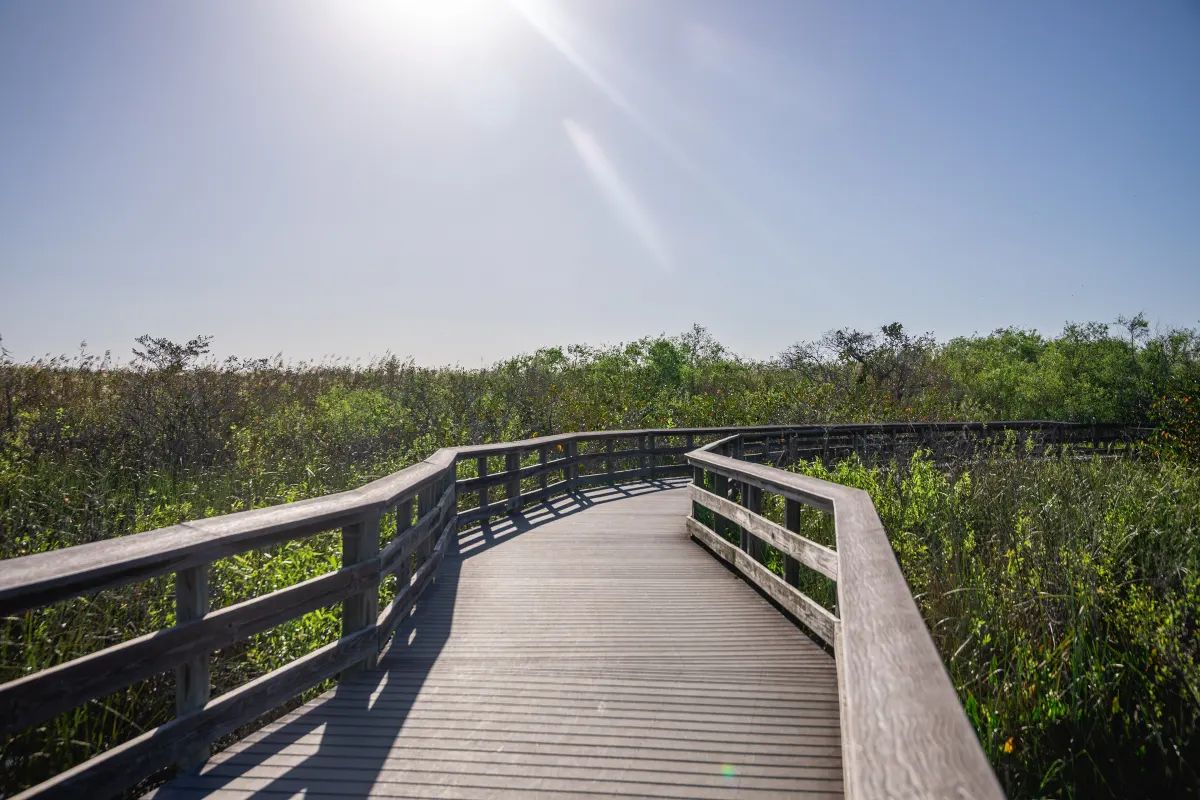
- National parks have accessible trails and viewpoints, and some lend wheelchairs. The free Access Pass is only for US citizens and residents. Museums lend wheelchairs, and many have tours for blind and deaf visitors. Deaf people use American Sign Language, which isn't like British or Australian sign languages.
Planning ahead
- Say exactly what you need when you book, such as the width of a door, a roll-in shower or the height of a bed, and ask for it in writing.
- Take a spare charger and the battery details of a powered chair, and photos of it before it goes into the hold. Report damage before you leave the airport.
- Check which subway stations have lifts, and whether they're working, on the transport operator's website or app that day.
- Theme parks have their own schemes for disabled visitors: see the USA with children.
- Your insurance needs to cover your condition and your equipment: see health care and insurance.
See also the USA with children and getting around the USA.



Comments