
Altitude and health in Bhutan: altitude sickness, vaccinations, dogs and hospitals
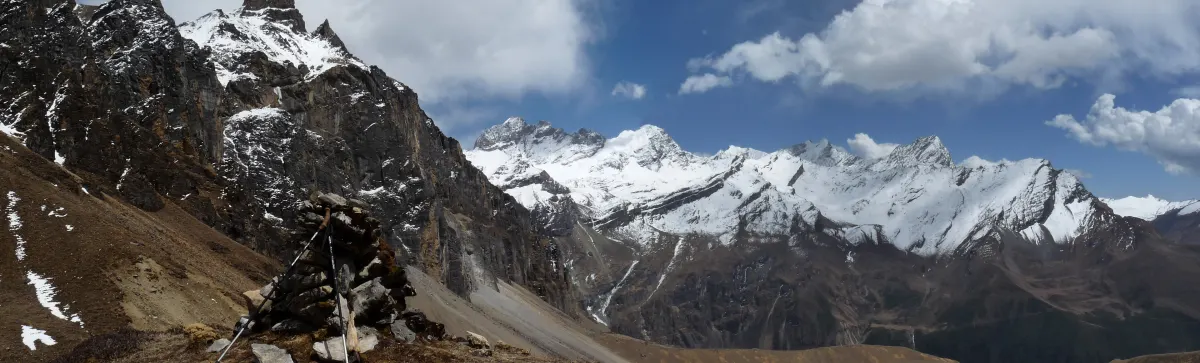
The main health risks in Bhutan are altitude and being a long way from a good hospital. Travel insurance isn't compulsory any more, since April 2024, but you shouldn't come without it.
Altitude
- Paro and Thimphu are at about 2,200 to 2,400 metres, where some people feel short of breath, or have a mild headache or bad sleep for a day or two. Punakha is lower, at about 1,250 metres. Road passes go up to nearly 4,000 metres, but only briefly.
- The walk to Tiger's Nest tops 3,100 metres: do it at the end of your trip, when you've got used to the height.
- Altitude sickness becomes a real risk on treks above about 2,500 to 3,000 metres. It feels like a hangover: headache, nausea, tiredness and dizziness.
- Above 3,000 metres, don't sleep more than 500 metres higher each night, and take a rest day every three or four days.
- If you have symptoms, don't go higher. If they get worse, or you're confused, clumsy, or breathless at rest, go down at once, even at night: these are signs of fluid on the brain or lungs, which can kill within hours. Tell your guide early, and don't hide it.
- Ask a doctor about acetazolamide (Diamox) before a high trek, and whether you should go if you have heart or lung disease or are pregnant.
Vaccinations and illnesses
- Get advice about eight weeks before you go: see TravelHealthPro's Bhutan page. Hepatitis A and typhoid are commonly recommended, and rabies for some travellers.
- There's a low risk of malaria along the southern border with India, and dengue in warmer parts: use insect repellent. The main tourist valleys are mostly too high and cool.
- Drink bottled, boiled or treated water, and go easy on the chillies at first. Stomach upsets are common.
Dogs
Stray dogs are everywhere, and bark all night: bring earplugs. Most ignore you, but rabies is present, so don't pet or feed them. If you're bitten, scratched or licked on broken skin, wash the wound with soap and water for 15 minutes and go to a hospital the same day.
Hospitals and insurance
- The Jigme Dorji Wangchuck National Referral Hospital in Thimphu can do surgery and emergency treatment. Hospitals elsewhere offer basic care, and serious cases are flown to India or Thailand.
- Make sure your insurance covers helicopter evacuation and repatriation, and trekking to the height you're going. Helicopters need clear weather.
- Bring your own prescription medicines with a copy of the prescription, and a basic first aid kit.
- Ambulance 112, fire 110, police 113.
See also safety.
Comments