
Yurt stays and community-based tourism in Kyrgyzstan: how to book, what to expect and what to bring
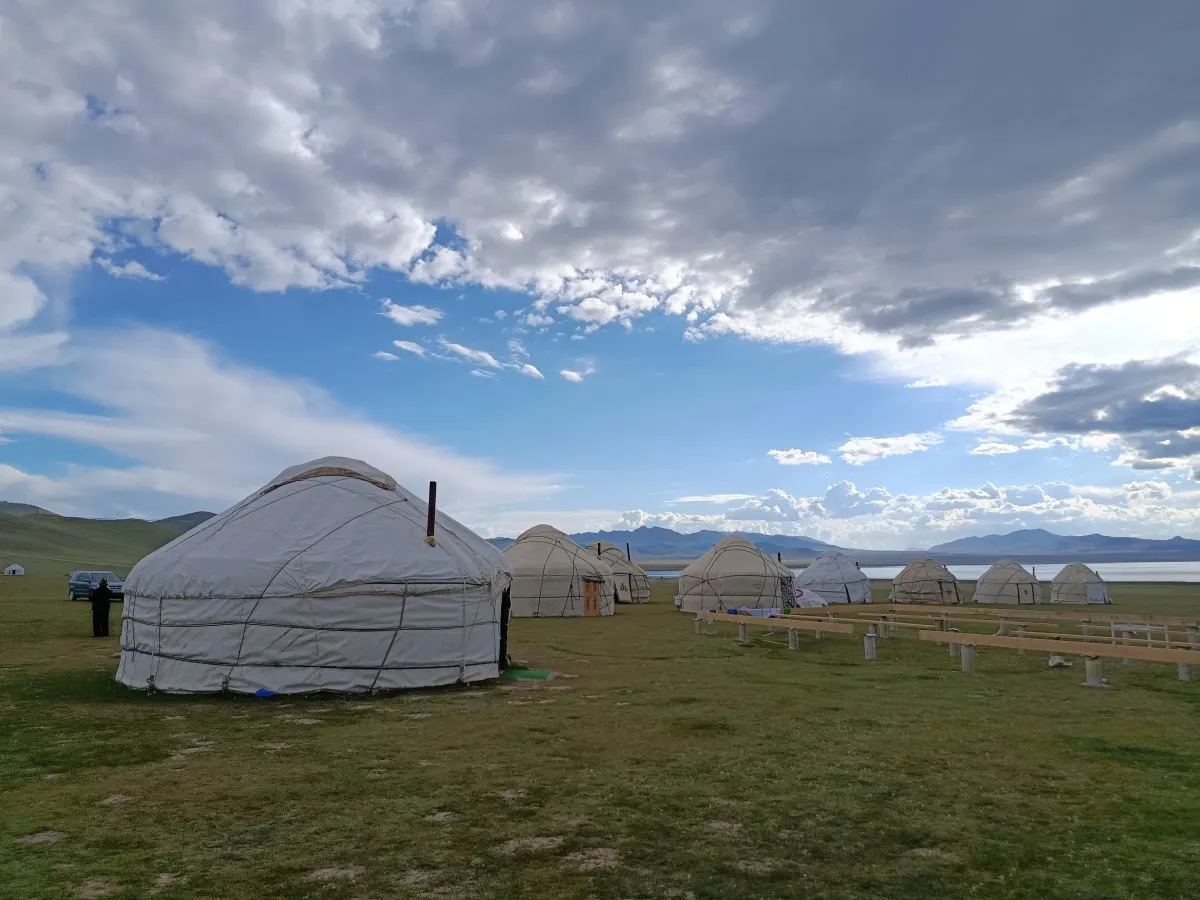
Every summer families take their animals up to the jailoo, the high pastures, and live in yurts. Staying with them is the best thing you can do in Kyrgyzstan. It's simple: felt walls, mats on the floor, a stove, and meals of bread, jam, cream and soup, with horses outside and no signal.
Community-based tourism
- CBT Kyrgyzstan is an association of local groups that arrange stays with families, yurts, horses, guides and drivers, at set prices, so most of the money goes to the people who do the work. There are offices in Kochkor, Naryn, Karakol, Bokonbayevo, Arslanbob, Osh and other towns.
- You can book online or turn up at an office. In July and August, book at least a week or two ahead. Ask for the price list and what's included.
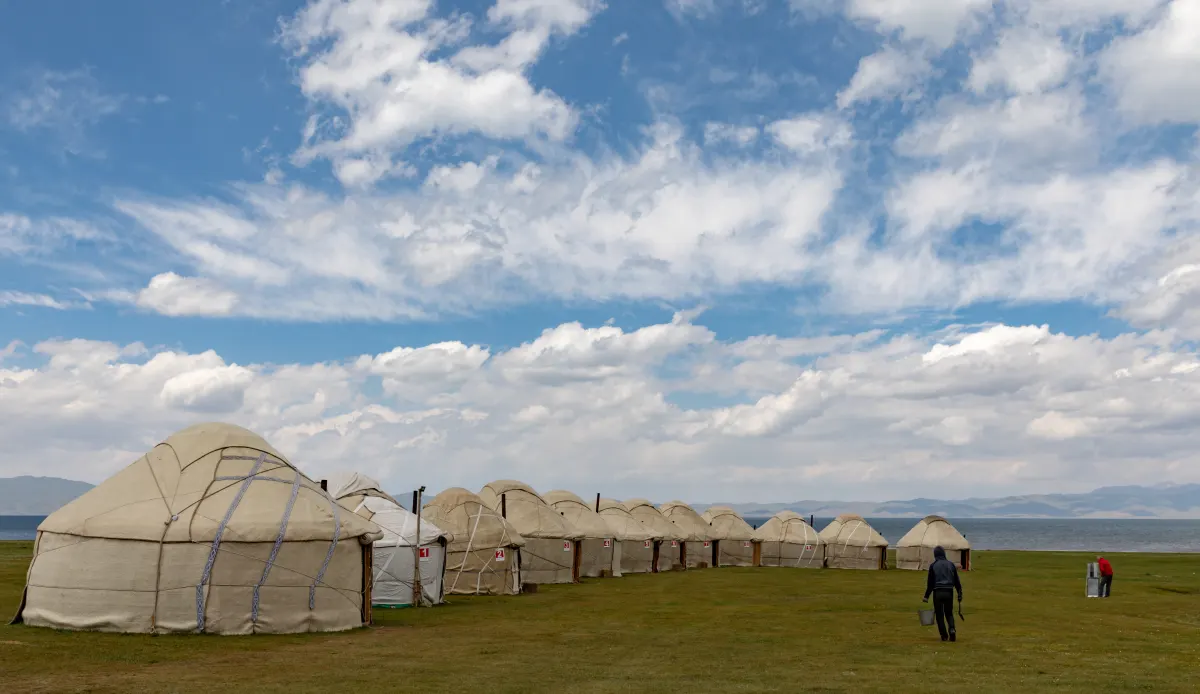
- Other companies and families rent yurts too, and some camps are now quite large. Ask how many yurts there are if you'd like somewhere quiet.
When to go
Yurts go up from about mid-June to mid-September at high places like Song-Kul, and from May to early October on the south shore of Issyk-Kul, where they're mostly for visitors. If you arrive early or late, the families may not have come, or have already gone, so ask first.

Natural features
Song-Kul Lake
Naryn
A high alpine lake at 3,000 m surrounded by summer pastures where nomadic herders bring their horses, sheep and yaks from June to September.
What to expect
- You sleep on layers of quilts (tushuk) on the floor, or in beds at some camps, often sharing a yurt with other visitors. You can usually pay for your own.
- Dinner and breakfast are normally included, and lunch if you ask. There's a lot of bread, tea, jam and fresh cream.
- The stove, burning dung or coal, is lit in the evening and goes out in the night. Make sure the smoke goes out, and don't sleep with a coal stove smouldering in a closed yurt, as carbon monoxide kills.
- The toilet is a hut away from the camp, and washing is from a little tank with a tap. Some camps have a hot shower or a banya.
- There's little or no phone signal, and power only from a solar panel. Bring a power bank.
How to behave
- Take off your shoes inside, don't step on the threshold, and don't walk across the tablecloth or over food.
- The place opposite the door, the tör, is for honoured guests and elders. Sit where you're put.
- Always eat a little bread, even if you've no time to stay. Don't put it upside down or on the ground.
- Don't put rubbish or water in the stove, and take your rubbish with you.
- Ask before you photograph people, and before you let children ride or eat sweets.
- Bring a small gift, such as fruit, tea or sweets for the family; see Culture and etiquette.
What to bring
- Warm clothes, even in July: it can freeze at night at 3,000 m, and it can snow in any month. A hat, gloves and a warm jacket, and a sleeping-bag liner.
- A head torch, a rain jacket, sun cream, sunglasses, wet wipes and toilet paper.
- Ear plugs, as dogs bark and other people snore.
- Cash in som. There are no ATMs on the pastures; see Money.
Felt and eagles
- Kochkor is the place for felt rugs (shyrdak and ala-kiyiz). Women's workshops show you how they're made, and sell them.
- Bokonbayevo is known for eagle hunters, who give demonstrations. Some kill a live rabbit or fox cub for the bird: ask, and say no if you'd rather it didn't happen.
- The World Nomad Games were back in Kyrgyzstan in 2026, and go to Kazan in Russia in 2028. Smaller horse games festivals are held in the pastures every summer: ask at a CBT office.

Comments
No comments yet.