
Culture and etiquette in Kyrgyzstan: hospitality, bread, yurts, dress, mosques, photos and the law
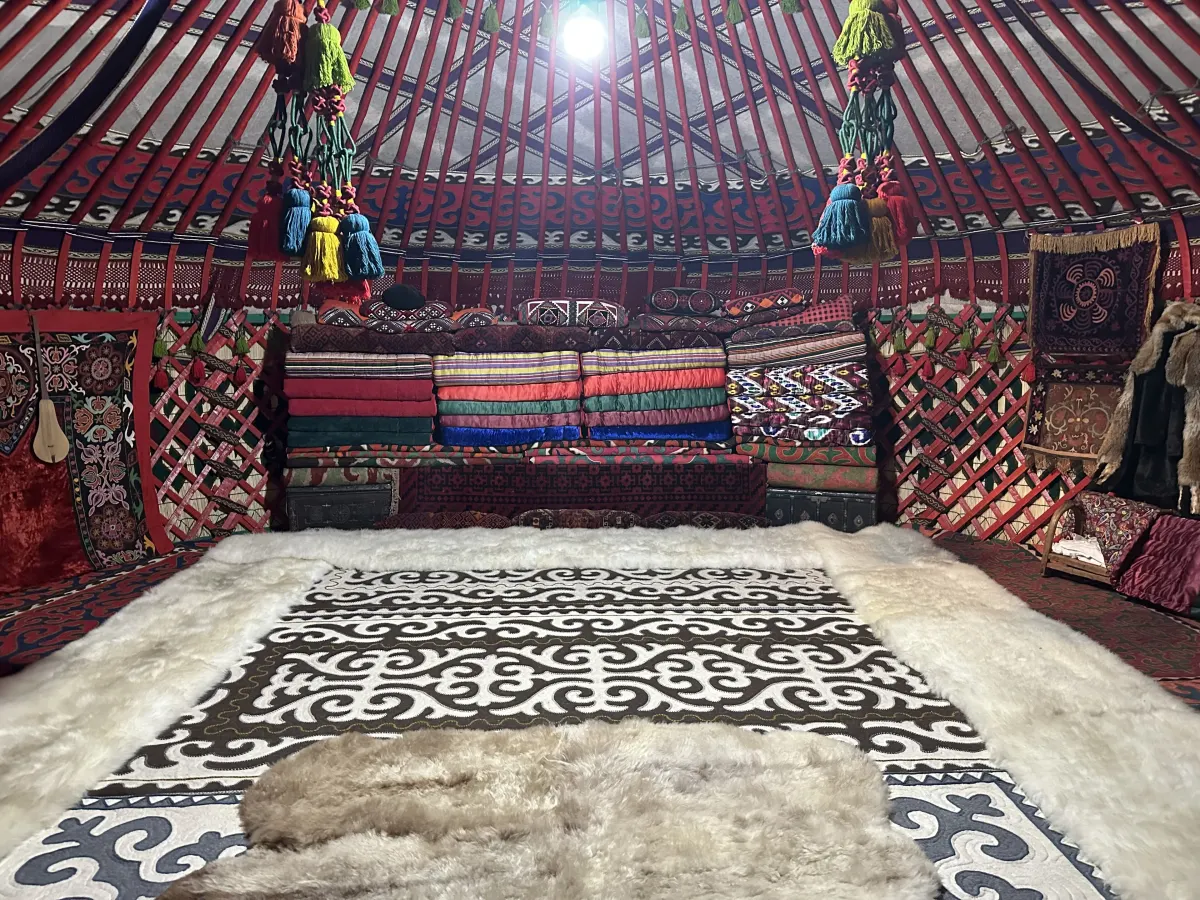
The Kyrgyz were nomads until a century ago, and a guest is still an honour. People are Muslim, in a relaxed way in the north and more strictly in the south, with a lot of older belief, and Soviet habits as well. You'll be asked in for tea.
Greetings and manners
- Men greet each other with Salam aleikum and a handshake, often with both hands. A woman may prefer a nod: wait for her to offer her hand.
- Greet the oldest person first, and give up your seat to them on a bus.
- Give and take things with your right hand, or both.
- After a meal people pass their hands down their face and say omin, to give thanks. Join in, and get up when they do.
- Don't blow your nose at the table, or point the soles of your feet at anyone.
In a home or yurt
- Take your shoes off at the door.
- If you can't stay, taste the bread that's held out to you.
- You'll be given more than you can eat. Take a little of everything, and leave some in your bowl when you're full.
- If someone gives you the sheep's head, it's an honour. Cut a little and pass it on.
- Vodka is drunk in toasts, mostly in the north. You can say no, politely, with a hand on your heart.
- Bring fruit, sweets, tea or a picture of your home. For the rules of the yurt, see Yurt stays.
Dress
In Bishkek, people dress as in any city. In villages, and in the south, such as Osh, Arslanbob and Batken, cover your shoulders and knees; shorts stand out. Arslanbob is a conservative Uzbek village, so keep drinking private. Swimwear is for the beaches of Issyk-Kul.
Mosques and holy places
- Cover your arms and legs, and women their hair, in mosques. Take off your shoes, and don't visit during prayers.
- Sulaiman-Too, the rock above Osh, and other mazars are places of pilgrimage. Don't touch the strips of cloth tied to trees.
- Ramadan is expected from about 8 February to 9 March in 2027. Cafés in the south may close by day; eat discreetly.
Holidays
Nooruz, the spring New Year on 21 March, brings concerts, horse games and sumolok, a sweet wheat paste stirred all night. Independence Day is 31 August. In summer, look for horse games: in kok-boru, riders fight over a headless goat.
The kalpak
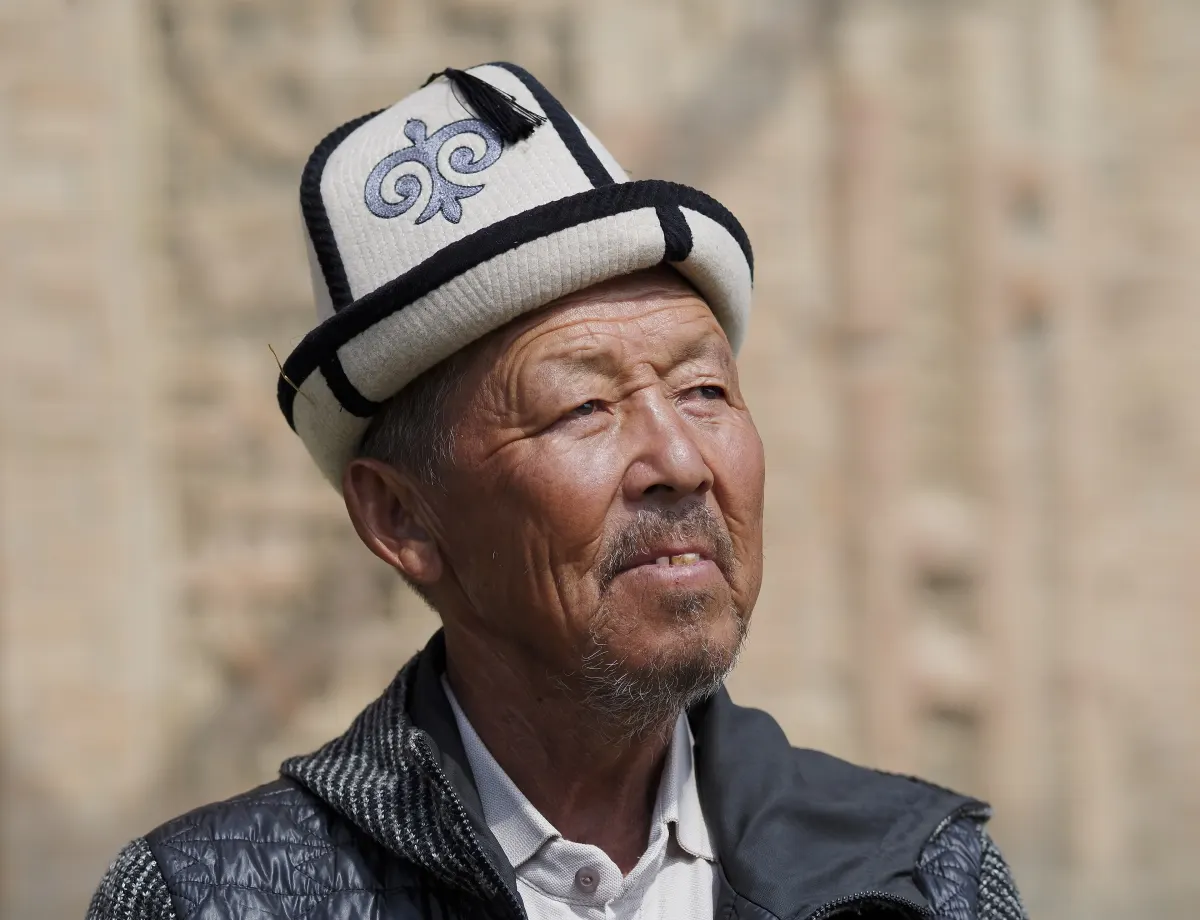
The tall white felt hat is a national symbol, with its own day, 5 March. Don't put one on the ground, sit on it, or throw it away. If you're given one, wear it.
Photos and the law
- Ask before photographing people. It's illegal to photograph or fly drones near border posts, military sites and police stations.
- Carry your passport, or a notarised copy. You can be held for not having identification.
- It's illegal to cover your face in public places, except for weather, health, work or sport.
- Be careful what you post: the UK government says disrespectful posts about the flag, the country's food or customs can bring a fine or detention.
- Same-sex relationships are legal, but not accepted by most people, and affection in public can provoke violence. Be discreet.
- Drugs bring long prison sentences, and vapes are banned.
A few words of Kyrgyz
Salamatsyzby (hello), rakhmat (thank you), ooba (yes), jok (no), kancha? (how much?), jakshy (good), kosh kalyngyz (goodbye). In Russian: zdravstvuyte, spasibo, da, nyet, skolko?
Comments
No comments yet.