
Health and heat in Uzbekistan: water, food, rabies, vaccinations, hospitals and summer temperatures
Most visitors have nothing worse than an upset stomach and a lot of sunshine. Hospitals are basic outside the main cities, though, so have good travel insurance, and plan the summer days around the heat.
Before you go
- Ask a doctor or travel clinic about six to eight weeks before you travel. Hepatitis A and typhoid are commonly recommended, and hepatitis B and rabies for some trips, depending on what you do. Check that your routine vaccinations, such as measles and tetanus, are up to date.
- Take insurance that covers medical evacuation. The UK warns that most hospitals are poorly equipped and serious cases are often sent abroad.
- Bring your own medicines, but check the controlled medicines rules first: some everyday drugs are restricted.
Food and water
- Don't drink tap water, and be careful with ice. Bottled water is cheap. Filter bottles help to cut plastic waste.
- Travellers' diarrhoea is common. Eat freshly cooked, hot food, peel fruit and wash your hands. Meat stews left standing, and unpasteurised dairy, are riskier.
- Carry oral rehydration salts. Rest, drink plenty and see a doctor if you have a fever, blood or can't keep water down.
Heat
- From June to August it's often above 35°C, and can pass 40°C in Bukhara, Khiva and the desert. The hottest weeks, from late June to early August, are called chilla.
- See the sights early and late, and rest at midday. Wear a hat, light long sleeves and sunscreen, drink plenty of water and eat something salty.
- Don't leave people in parked cars. Know the signs of heatstroke: a very high temperature, confusion, headache and no sweat. Get the person into the shade, cool them with water, and call 103.
- Some budget rooms have no air-conditioning, and power cuts can happen, so ask before you book in summer.
Cold and altitude
- Winter in the west can fall far below freezing. Bring proper clothes: see When to go.
- In the mountains, such as near Zaamin National Park, take time to adjust and drink well. Seek advice if you have heart or lung problems.
Air quality
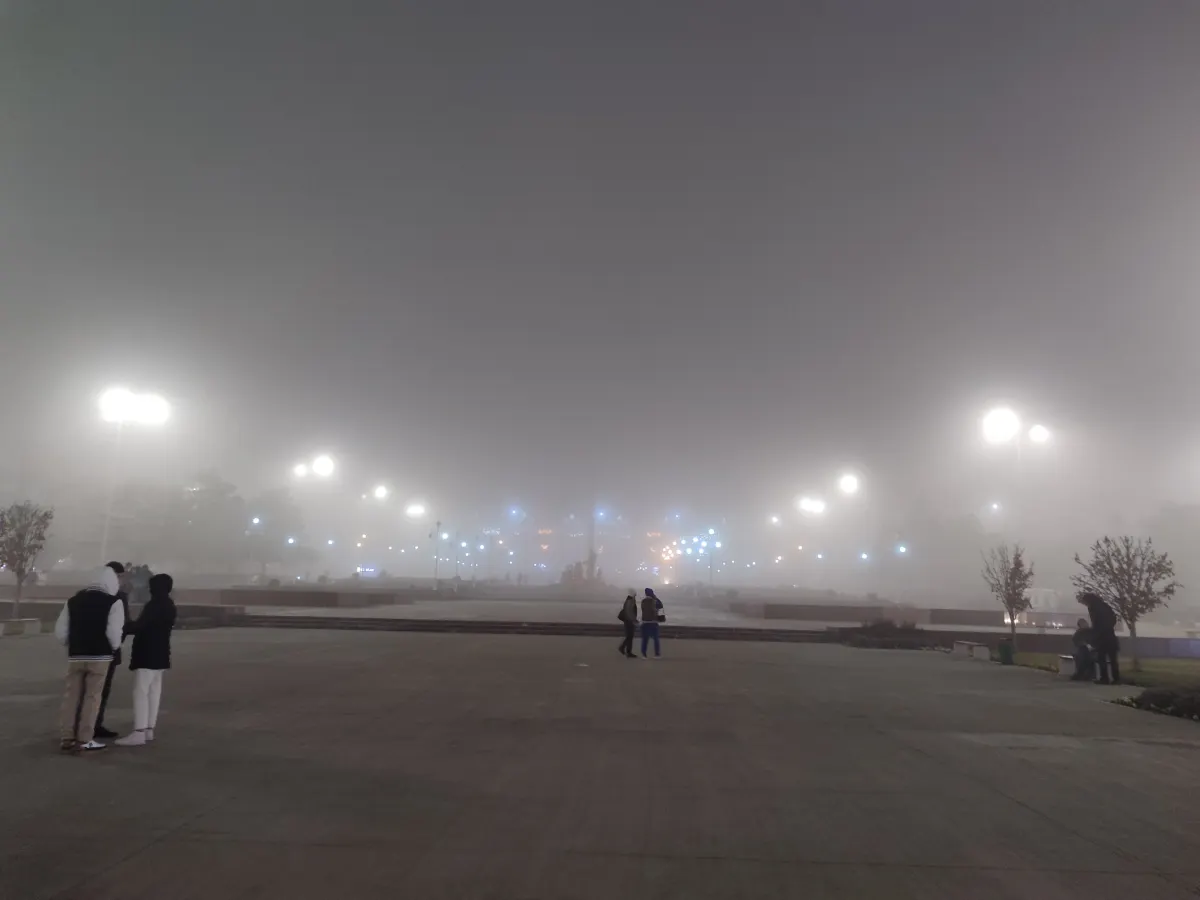
- Air is often poor in Tashkent and the Fergana Valley from about November to February. Salt and dust storms from the dried-up Aral Sea can affect Karakalpakstan and Khorezm. People with asthma should check the readings and carry their inhaler.
Animals and insects
- Rabies is found here. Don't touch dogs, cats or bats, and stay away from strays. If you're bitten, scratched or licked on a wound, wash it with soap and water for 15 minutes and get treatment the same day. Treatment can be hard to find, so you may have to travel for it.
- Ticks can spread Crimean-Congo haemorrhagic fever, though the risk to travellers is low. Wear long clothes in pasture, check yourself and don't crush ticks with your fingers. Stay away from animal slaughter.
Finding help
- Call 103 for an ambulance, or 112. In Tashkent there are private clinics with some English-speaking staff. Ask your hotel, your embassy or your insurer. Clinics usually want payment first, so keep receipts.
- Pharmacies (dorixona, apteka) are common, and many medicines are sold without prescription. Buy from big ones and check the date, as fakes can be sold.
- A tourist hotline on 1173 can point you to help.
First-aid kit
- Pack plasters, antiseptic, rehydration salts, sunscreen, insect repellent, and any medicine you use, in its original packs. Leave painkillers with codeine at home.

Comments
No comments yet.