
Safety, the law and controlled medicines in Uzbekistan
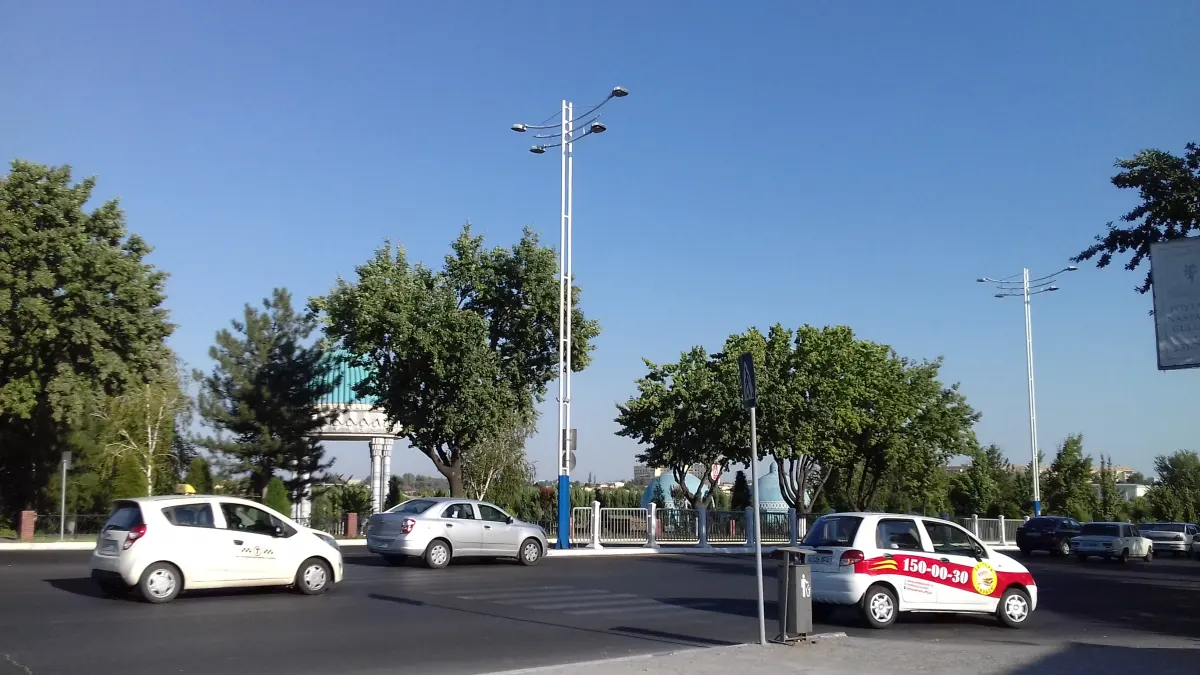
Uzbekistan is one of the safer countries in the region for visitors: violent crime against tourists is uncommon and there's a visible police presence. The main risks are pickpockets, road accidents, summer heat and breaking a law you didn't know about. Take the medicine rules seriously: some everyday tablets are controlled.
Travel warnings
- At the time of writing the UK doesn't advise against travel to any part of Uzbekistan, but says to be cautious near the Afghan border. Canada says to avoid all travel within 5 km of it.
- In the south, around Termez and the Amu Darya river, the border is fenced and guarded. Don't approach or photograph it. Some places there need a permit or a tour. Rockets from Afghanistan landed in the area in 2022.
- Landmines have been cleared, but Canada warns that some may remain near the borders with Tajikistan and Kyrgyzstan: stay on paved roads there and cross only at official crossings.
- Flights to the region can be disrupted by conflict in the Middle East. Check your airline and insurance before you go.
Crime
- Keep bags and phones close in bazaars, on buses and the metro, and at stations. Pickpockets and bag-snatchers work in crowds.
- Don't show a lot of cash, and change money only at banks (see Money). Keep your passport on you, and a copy and spare card apart.
- Some people pretend to be police. Ask for identification, offer to go to a police station, and don't hand over your wallet.
- Use an app or your hotel for taxis, and don't share with strangers (see Getting around).
- Street touts, commission shops and unofficial guides are usually only a nuisance.
Laws to know
- Carry your passport all the time: police may ask for it, and you can be fined without it. Be registered where you sleep: see Arriving.
- Drugs: possession, even of a small amount, can mean a long prison sentence. Never carry a bag for someone else.
- Drones are largely prohibited without permission.
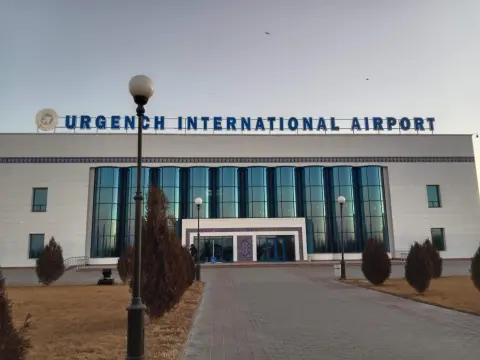
- Photos: don't photograph government buildings, airports, border posts, police, soldiers or bridges. Photography in the Tashkent metro has been allowed for some years.
- Social media: criticism of the government, or comments judged disrespectful about the country or its flag, food or customs, can lead to a fine or arrest. Importing or handing out religious or extremist material is an offence.
- Same-sex relationships between men are illegal. Covering the face in public is illegal, with exceptions.
- You must be 21 to buy alcohol or tobacco.
Controlled medicines
Uzbekistan checks medicines at the airport and, especially, at land borders. The rules cover your own medicines as well as ones sold over the counter at home. According to the Uzbek rules as summarised by a local travel company in October 2026:
- Ordinary medicines: up to 10 different medicines, and up to 5 packs of each, for your own use, in their original packaging.
- Psychotropic medicines: up to 5 different ones and 2 packs of each, no more than your course, and they must be declared. The list includes diazepam, alprazolam, lorazepam, clonazepam, zopiclone, zolpidem (sleeping and anxiety tablets), phenobarbital, phentermine, clonidine, baclofen and pseudoephedrine, which is in many cold remedies.
- Narcotic medicines, including codeine, dihydrocodeine, tramadol, morphine, fentanyl, buprenorphine, tapentadol and diphenoxylate (an anti-diarrhoea drug): only enough for 7 days, declared, with a medical document showing the dose and the course.
- Banned outright, with no allowance, on the same list: hydrocodone, oxycodone, methadone and methylphenidate (Ritalin and similar ADHD medicines), as well as cannabis. Amphetamine-based ADHD medicines are on the narcotics list.
- New lists are due to take over on 12 January 2027, so check again before you travel.
How to bring medicines
- Check each medicine's active ingredient against the official list, and ask the Uzbek embassy if you're unsure. Codeine is in ordinary painkillers such as co-codamol.
- Bring the original packaging, your prescription and a doctor's letter with the diagnosis, drug name, dose and length of treatment. A Russian or Uzbek translation helps.
- Declare controlled medicines on the customs form on arrival and keep the stamped copy. Undeclared medicines can be taken, and you can be fined or held.
- Ask your doctor about an alternative if your medicine is controlled, or banned.
Roads
- Traffic is fast and road conditions vary. Wear a seat belt, don't travel by road at night, and choose a modern taxi. Rear seat belts can be missing.
- Look both ways at crossings: cars don't always stop.
Earthquakes
Uzbekistan is seismically active, and tremors are common. In a strong shake, get under something solid, stay away from windows, and go outside when it stops.
Emergency numbers
- 112 for any emergency, or 103 ambulance, 102 police, 101 fire. The tourist hotline is 1173, in English, Russian and Uzbek.
See also Health and heat and Culture and etiquette.
Comments
No comments yet.