
Two weeks in Laos: Luang Prabang, Vang Vieng, Vientiane, the Bolaven Plateau and the 4,000 Islands (route map)
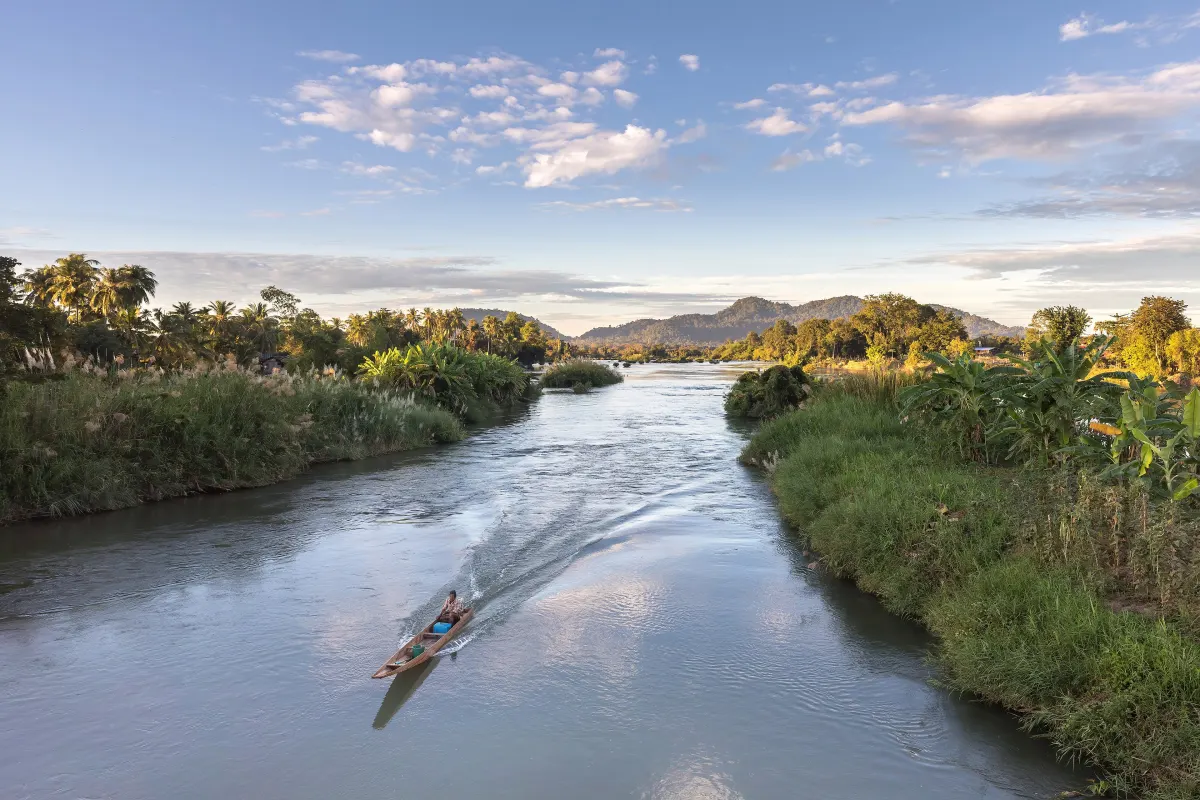
Two weeks lets you see both halves of Laos: the temples and mountains of the north, joined by the fast new railway, and the slow, sleepy south, with the waterfalls of the Bolaven Plateau, the ruined Khmer temple of Vat Phou, and hammocks on the islands of the Mekong.
Map of the route
Luang Prabang to Vang Vieng and Vientiane by train, about 271 km
Day trip to Kuang Si Falls, about 30 km
Overnight bus to Pakse (or fly), about 677 km
The Bolaven Plateau loop, about 205 km
Champasak, Vat Phou and the 4,000 Islands, about 200 km
Click a dot for the place. Labels show where you stay; dashed lines are a day trip and the overnight bus. The boat to Don Det is a straight line. Route from OpenStreetMap (© OpenStreetMap contributors, ODbL).
Before you go
- When: November to February. The south is very hot from March to May, and the Bolaven Plateau is wet and the roads muddy from June to October. See Weather and when to go.
- Getting there: fly into Luang Prabang (from Bangkok, Hanoi or elsewhere in the region) and leave from Pakse, or cross the border into Cambodia or Thailand at the end. See Arriving in Laos.
- Book ahead: the trains, and the flight or overnight bus from Vientiane to Pakse.
- Cash: there are ATMs in Pakse, but few or none on the islands. Take out enough kip before heading south. See Money in Laos.
Days 1 to 4: Luang Prabang
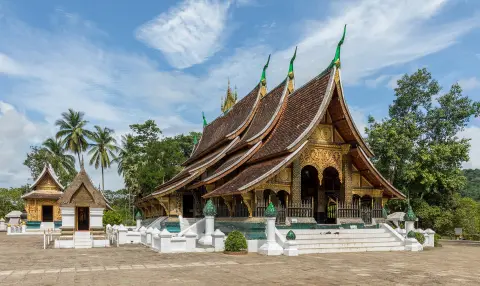
Start in Luang Prabang, the old royal capital: its temples, including Wat Xieng Thong, the Royal Palace Museum, Mount Phousi at sunset and the night market. Watch the morning alms round respectfully (see Culture and etiquette), spend a day at Kuang Si Falls, and take a boat up the Mekong to the Pak Ou caves, or a cooking class.

Luang Prabang
The old royal capital of Laos, on a peninsula where the Nam Khan meets the Mekong, a UNESCO World Heritage Site of golden temples, French colonial ho…

Kuang Si Falls
A multi-tiered waterfall in the forest with turquoise limestone pools for swimming, near Luang Prabang.
Days 5 and 6: Vang Vieng
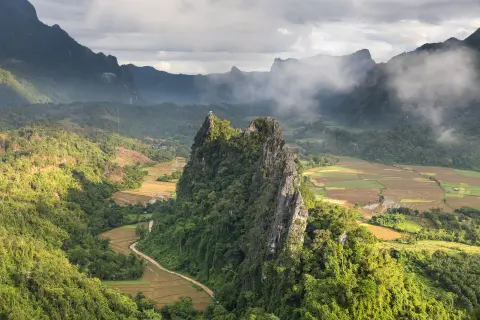
Take the train south to Vang Vieng. Kayak or tube the Nam Song, explore the caves and Blue Lagoons, and watch the sunset over the limestone mountains. Read Safety in Laos about drinks and the river first.

Vang Vieng
A small town on the Nam Song river surrounded by dramatic karst mountains, now known for outdoor adventures: kayaking, tubing, caving, rock climbing,…
Day 7: Vientiane
Take the train on to Vientiane. See Pha That Luang, Wat Si Saket and the COPE Visitor Centre, and walk along the Mekong at sunset. In the evening, take the overnight sleeper bus south to Pakse, or fly the next morning.
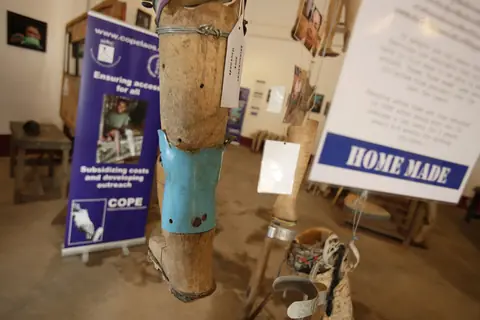
COPE Visitor Centre, Vientiane
Laos is the most heavily bombed country in history per person: the US dropped more than two million tonnes of bombs on it between 1964 and 1973, and …
Days 8 to 10: The Bolaven Plateau
From Pakse, the south's main town, head up onto the Bolaven Plateau, cool and green, famous for its coffee and its waterfalls. Rent a scooter (see Safety) or hire a driver for a loop: the twin falls of Tad Fane, which plunge into a gorge, Tad Yuang, and coffee farms around Paksong, where you can taste the coffee. Stay a night or two at Tad Lo, a village by a waterfall, and visit the villages of the plateau's ethnic minorities with a local guide. Back to Pakse.
Day 11: Champasak and Vat Phou
Go south to the sleepy riverside village of Champasak, and in the early morning cycle or take a tuk-tuk to Vat Phou, a World Heritage Site: a Khmer temple older than Angkor Wat, climbing a hillside below a sacred mountain, with views over the Mekong plain.

Vat Phou
A ruined Khmer Hindu temple complex on the slopes of a mountain near Champasak, older than Angkor Wat, a UNESCO World Heritage Site.
Days 12 to 14: Si Phan Don, the 4,000 Islands
Take a minivan and a boat to Si Phan Don, where the Mekong spreads out into a maze of islands before the Cambodian border. Stay on Don Det (livelier) or Don Khon (quieter), joined by an old French railway bridge, or on the bigger, more traditional Don Khong. Cycle around the islands, see the Li Phi and Khone Phapheng waterfalls, the biggest in Southeast Asia by volume, and kayak on the river. Then leave over the border to Cambodia, or go back to Pakse to fly out.

Si Phan Don (4,000 Islands)
Where the Mekong spreads into a maze of islands near the Cambodian border.
With more time
- From Luang Prabang, add a few days in the north: Nong Khiaw and Muang Ngoi on the Nam Ou, or trekking around Luang Namtha.
- Fly or take a bus from Luang Prabang or Vientiane to Phonsavan, to see the Plain of Jars.
- Between Vientiane and Pakse, stop at Thakhek to ride the Thakhek Loop and visit Kong Lor Cave.



Comments
No comments yet.