
Arriving in Laos: e-visas, visa on arrival, visa-free stays and land borders
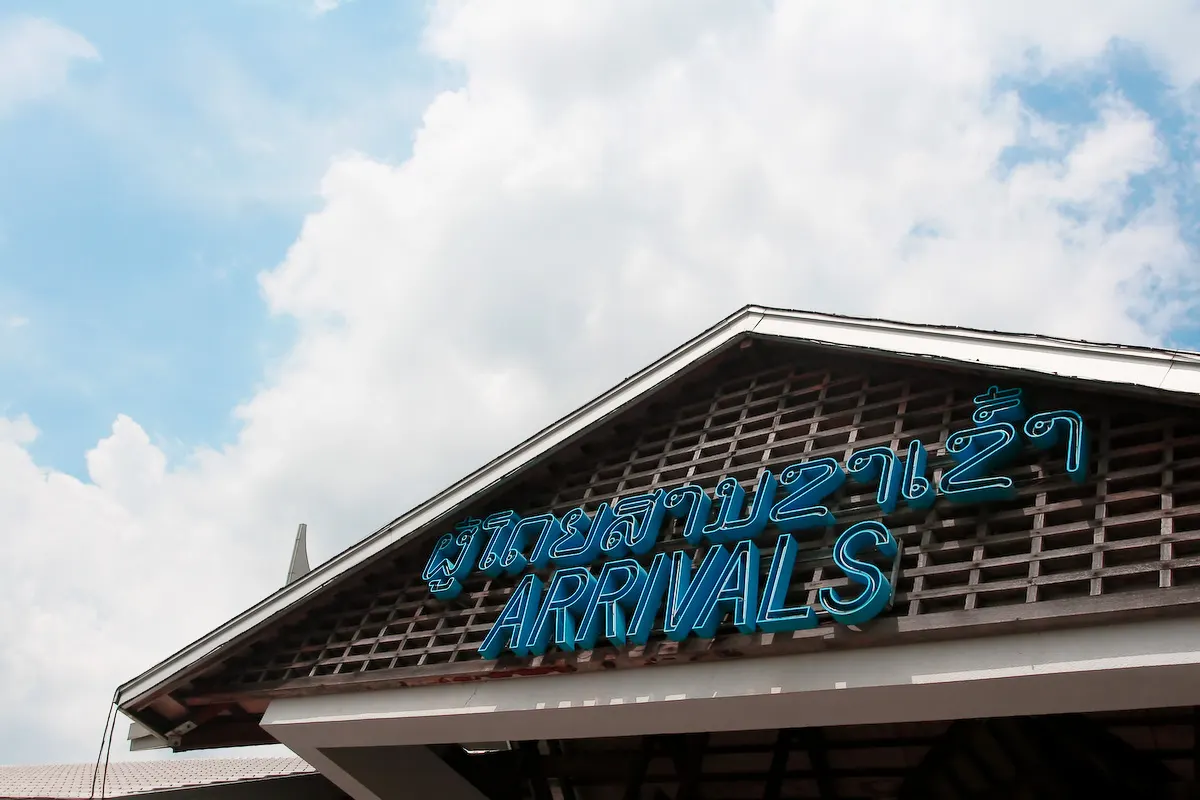
Most visitors need a visa for Laos, but it's easy to get: apply online for an e-visa before you go, or get a visa on arrival at the airports and most of the main borders. Either way you can stay 30 days. Citizens of Southeast Asian countries and a few others can come without a visa.
Visa-free stays
- Citizens of most ASEAN countries (Southeast Asia) and of a handful of others, including Japan, South Korea, Mongolia and Russia, can visit Laos without a visa for up to 30 days. Switzerland and Luxembourg get 15 days, and Myanmar 14 days.
- Laos has let other European countries in visa-free for short periods in the past, but those schemes have ended. The list changes, so check it with the Lao Department of Immigration or a Lao embassy before you travel.
- Everyone else, including visitors from the UK, Ireland, the rest of Europe, the USA, Canada, Australia and New Zealand, needs an e-visa or a visa on arrival.
The e-visa
- Apply on the official site, laoevisa.gov.la. Other sites that look official charge extra for the same visa. The fee depends on your nationality (the official site has a fee calculator) and isn't refunded under any circumstances.
- It's a single-entry tourist visa for 30 days. You need a passport valid for more than six months after you arrive, and a recent passport photo with a plain white background.
- Processing takes up to three working days, so apply at least a week before you travel. Print the approval letter or keep it on your phone.
- The e-visa is only accepted at certain borders: Wattay airport (Vientiane), Luang Prabang airport and Pakse airport; the Friendship Bridges at Vientiane (Nong Khai), Savannakhet (Mukdahan) and Houay Xai (Chiang Khong); Boten on the Chinese border, both the road crossing and the railway station; and Khamsavath railway station in Vientiane, where the trains from Thailand arrive. If you arrive anywhere else, you'll have to buy a visa on arrival instead, and you won't get the e-visa fee back.
Visa on arrival
- You can get a 30-day tourist visa on arrival at the international airports and at most of the main land borders with Thailand, Vietnam and Cambodia. It isn't issued at Boten railway station on the train from China, so get an e-visa first if you're coming that way.
- Bring US dollars in cash, in clean notes, and a passport photo (there's usually a small extra charge if you don't have one). The fee depends on your nationality, and border officials sometimes ask for an extra "overtime" fee at weekends or early and late in the day.
- At busy borders the queue can be long. The e-visa saves time if you're crossing at one of the ports that accept it.
The digital arrival form
Laos has replaced the paper arrival and departure cards with the Lao Digital Immigration Form (LDIF). Fill it in online on the Department of Immigration's site in the three days before you arrive, and again before you leave, and show the QR code at immigration. It started at the three main airports and the Friendship Bridge at Vientiane, and is being extended to other borders; where it isn't used yet, you'll be given a paper card. It's free, and it doesn't replace your visa.
Staying longer, and overstaying
- You can extend a tourist visa twice in Laos, by up to 30 days each time, at an immigration office (the main one is in Vientiane). You pay a fee for each day. Visa-free stays usually can't be extended: leave and come back, or get a visa instead.
- Don't overstay. You're fined for each day you overstay, and long overstays can mean a large fine, deportation and a ban on coming back.
Crossing by land and rail
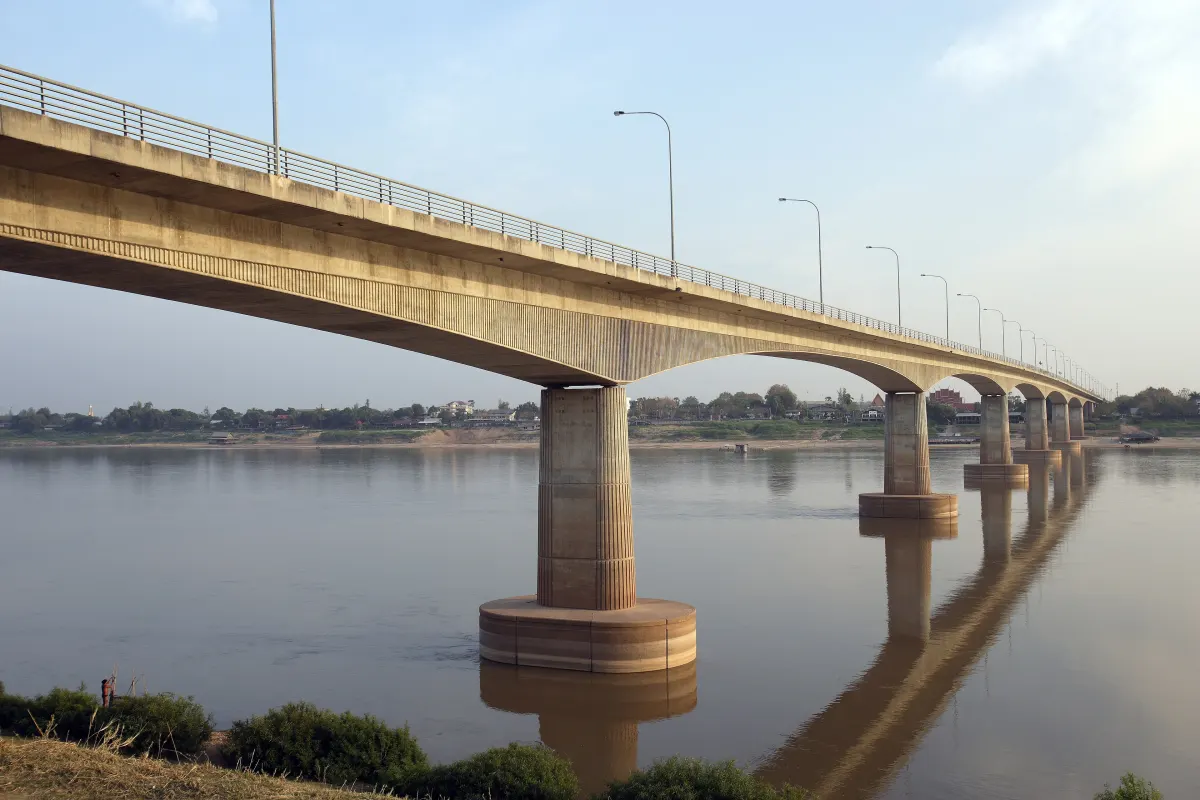
- From Thailand: the busiest crossing is the First Friendship Bridge between Nong Khai and Vientiane. Trains run from Bangkok and Nong Khai over the bridge to Khamsavath station, on the edge of Vientiane, and buses run from Nong Khai and Udon Thani into the city. In the north, the bridge at Chiang Khong and Houay Xai is where you start the slow boat to Luang Prabang. Further south there are bridges at Mukdahan–Savannakhet and Nakhon Phanom–Thakhek, and a crossing at Chong Mek–Vang Tao near Pakse.
- From China: the Laos–China Railway runs from Kunming to Vientiane, with border checks at Mohan and Boten. You need your visa before you board. See Getting around Laos.
- From Vietnam: there are several crossings, but they're remote and the buses are long and slow. Many travellers fly between Hanoi and Luang Prabang or Vientiane instead.
- From Cambodia: the crossing south of the 4,000 Islands, on the road to Stung Treng, is the usual one.
- Keep your passport with you: you can be asked for it at road checks, and you'll need it for train tickets.
Customs
- E-cigarettes and vapes are illegal in Laos: don't bring them in. Neither are any drugs, including cannabis (see Safety in Laos), or anything you can't explain at customs. Declare anything taxable when you arrive.
- Laos' cultural treasures, including Buddha images and antiques, can't be taken out of the country without permission.



Comments
No comments yet.