
Culture and etiquette in Laos: temples, monks and the morning alms giving in Luang Prabang
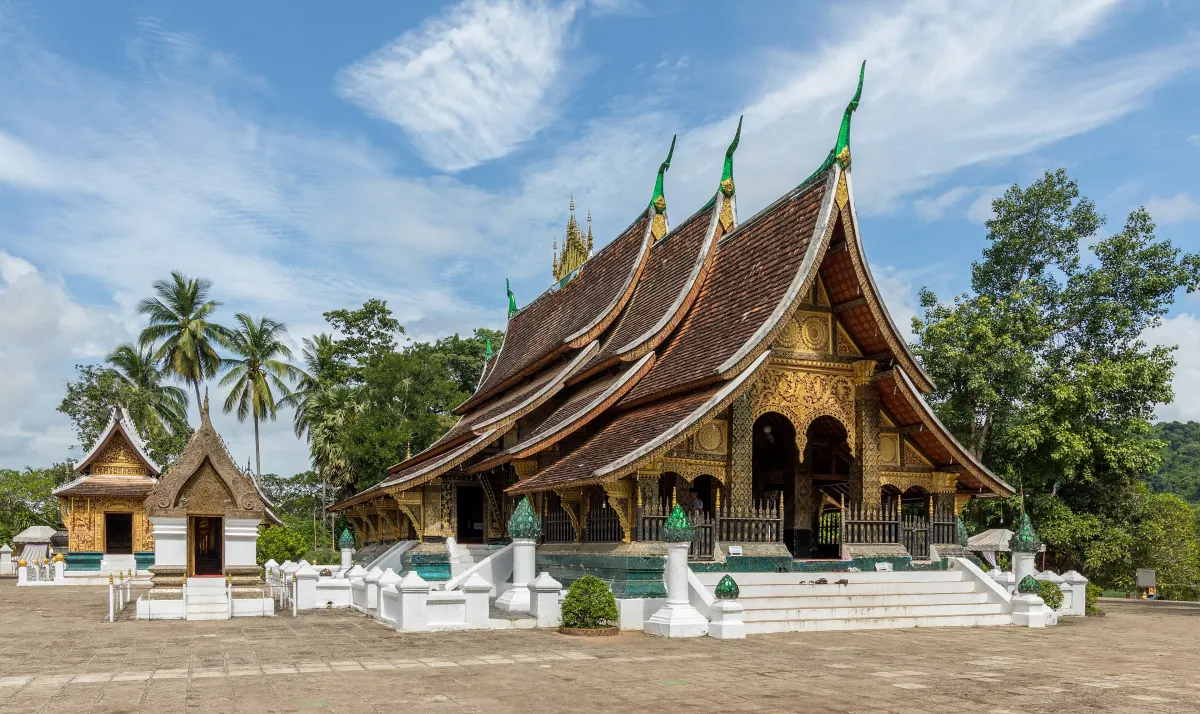
Lao people are gentle, relaxed and welcoming, and most of them are Buddhist: temples (wats) are at the centre of every town and village, and in Luang Prabang hundreds of monks walk the streets every morning to collect alms. A little care goes a long way.
Everyday manners
- Greet people with a "sabaidee" and the nop, palms together at chest height with a small bow. "Khop chai" means thank you.
- Keep calm and smile: raising your voice or showing anger makes everyone lose face, and rarely gets you anywhere.
- The head is the most respected part of the body and the feet the lowest: don't touch anyone's head, including children's, and don't point your feet at people or at Buddha images, or step over people.
- Take off your shoes when you go into a home, and in many shops, guesthouses and massage places: look for the pile of shoes by the door.
- Dress modestly away from the pool. Men going shirtless and women in bikini tops in town, even in Vang Vieng, offends people. Shoulders and knees should be covered at temples and in villages.
- Public displays of affection are frowned on.
Visiting temples
- Cover your shoulders and knees, and take off your shoes and hat before going into a temple building. Many temples in Luang Prabang charge a small entry fee, such as Wat Xieng Thong.
- Sit with your feet pointing away from the Buddha, and never climb on, touch or pose disrespectfully with Buddha images. Don't buy Buddha heads as souvenirs.
- Women must not touch monks or hand anything directly to them: put it down for the monk to pick up, or give it to a man to pass on. Don't sit next to a monk on a bus or boat.
- Ask before photographing monks or people praying, and keep your voice down.
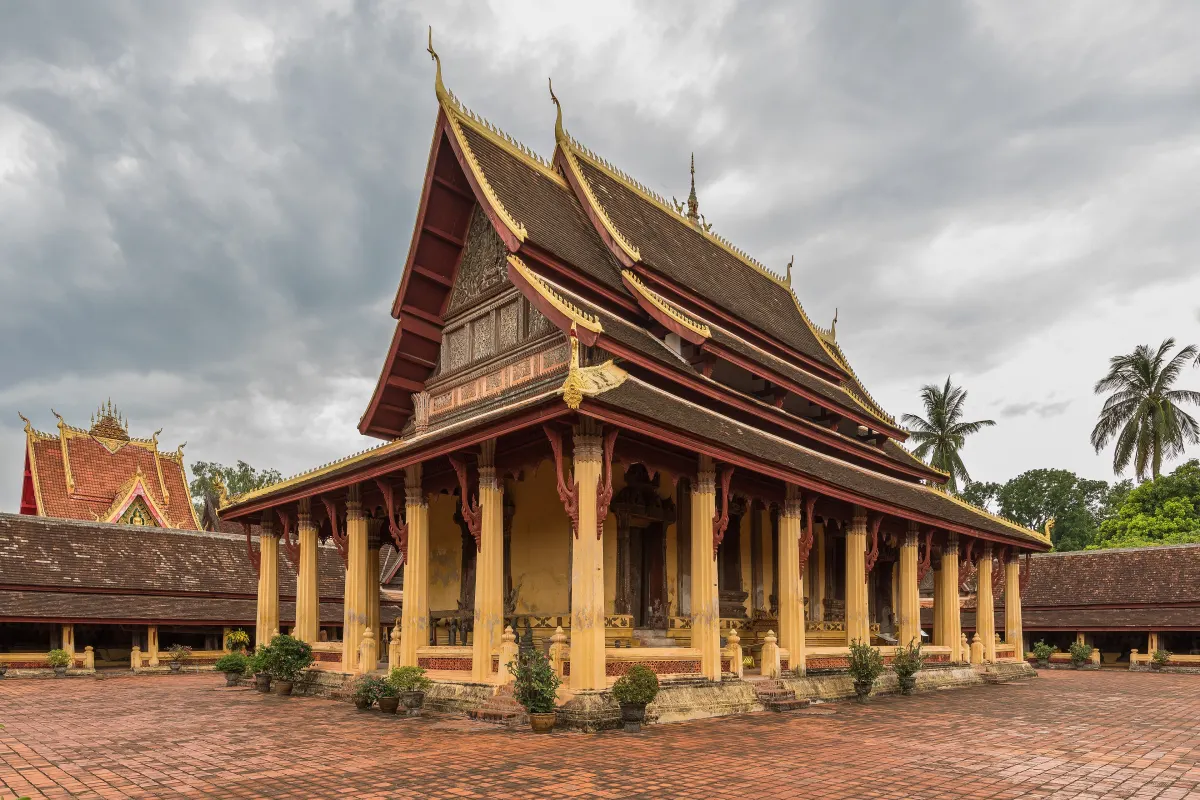
The morning alms giving in Luang Prabang
Every morning at dawn, the monks and novices of Luang Prabang's temples walk barefoot in lines through the streets, collecting sticky rice and other food from people kneeling by the road. This is tak bat, a religious ceremony that's been going on for centuries, not a show put on for visitors. It's moving to watch, but crowds of tourists blocking the way and flashing cameras in monks' faces have become a real problem. Do it right:
- Watch from a distance, quietly, from the other side of the road or a side street. The main street near Wat Sensoukharam and the Sakkaline Road are the most crowded; side streets are calmer. Ask your guesthouse where to go.
- No flash, and don't get close to the monks or stand in their way for photos. Don't follow the procession. Better still, leave the camera in your pocket for a few minutes.
- Only give if it means something to you, and do it properly: kneel or sit on a low stool, with your feet tucked under you; cover your shoulders, legs and chest (a sash over your shoulder is traditional); take your shoes off; don't touch the monks or look down on them from above; and keep quiet.
- Don't buy rice from the street sellers by the procession. It's often poor quality, and some monks have been made ill. If you want to give, buy fresh sticky rice from the morning market, or ask your guesthouse to prepare some.
- Don't give money, sweets or snacks you wouldn't eat yourself, and don't give at all if you're doing it only for a photo.
- If you aren't a Buddhist and are unsure, watching respectfully is enough. Afterwards, walk on to the morning market.
Festivals
- Pi Mai Lao, the Lao New Year in mid-April, is the biggest festival, with water throwing in the streets, especially in Luang Prabang. Expect to get soaked, and keep your phone in a waterproof bag.
- Boun That Luang, in November, brings pilgrims and a big fair to Pha That Luang in Vientiane. Boun Ok Phansa, at the end of Buddhist Lent in October, has boat races, and candle and light boats floated down the Mekong.
Laws to know
- Relationships: sexual relationships between foreigners and Lao nationals who aren't married to each other under Lao law are illegal, and can mean a large fine or prison. Hotels and guesthouses may refuse to let a Lao guest stay in your room.
- Politics: Laos is a one-party state. Don't criticise the government or the Lao People's Revolutionary Party in public or online, and don't photograph military sites, airfields or bridges.
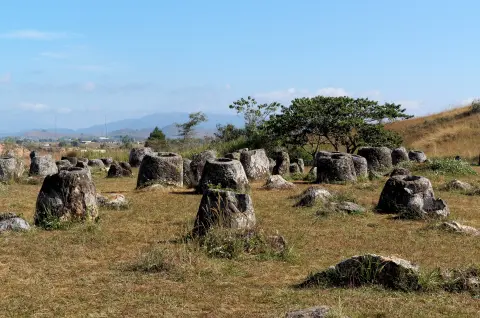
- Don't touch or remove anything at archaeological sites, including at the Plain of Jars.
- Drugs, including cannabis, are illegal, with very severe penalties. See Safety in Laos.


Comments
No comments yet.