
Unexploded bombs in Laos: staying safe, and visiting COPE
Between 1964 and 1973, during the Vietnam War, the United States dropped more than two million tons of bombs on Laos, making it, for its size, the most heavily bombed country in history. Many of them were cluster bombs, whose small "bombies" were meant to explode on impact; up to a third didn't. Millions of unexploded bombs, along with mines, shells and mortars, are still in the ground, and every year they kill or injure people, many of them children and farmers.
Where it's a risk
- Most of the bombing fell on the east and south, along the old Ho Chi Minh Trail near the Vietnamese border, and on Xieng Khouang province, home of the Plain of Jars. Savannakhet, Salavan, Sekong, Attapeu and Khammouane provinces were also heavily bombed.
- Towns, main roads, tourist sites and well-used trails are safe. The risk is in fields, forests and off the beaten path, and after floods and landslides, which can uncover buried bombs.
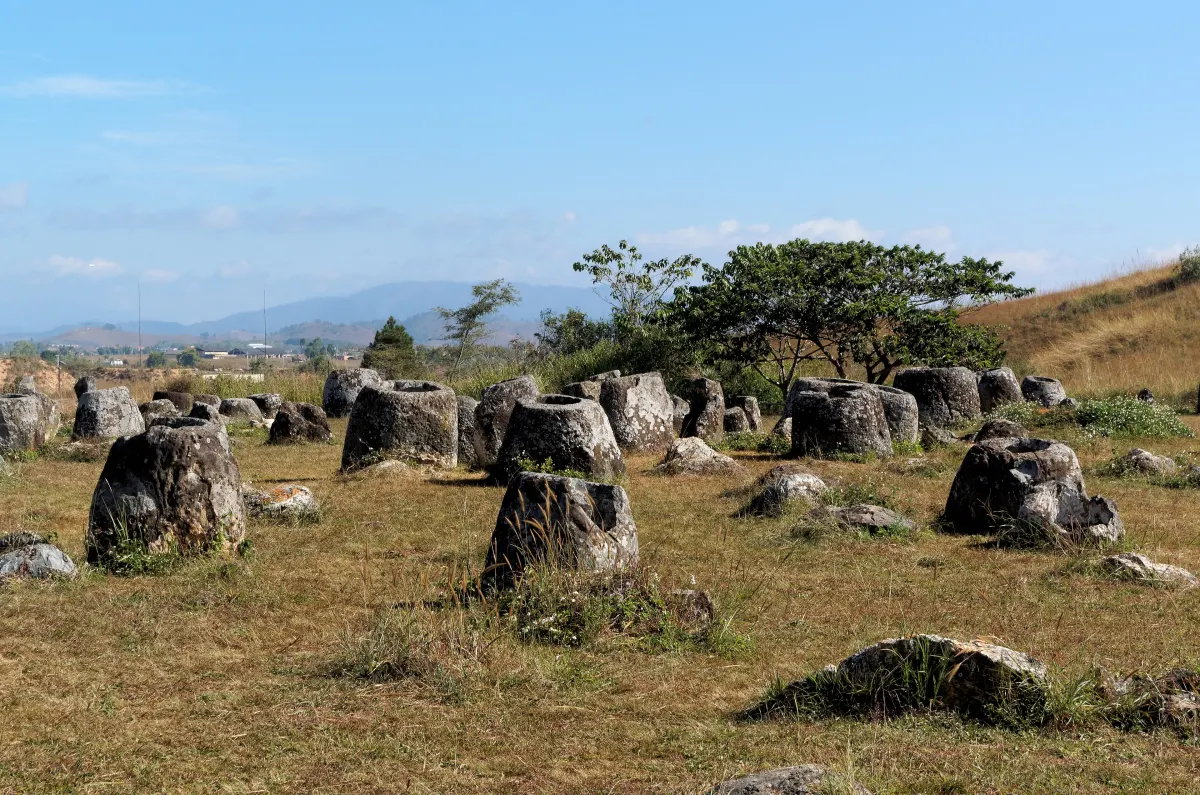
- At the Plain of Jars, the open sites have been cleared. Look out for the small marker stones: white (or white-topped) on the cleared side, red on the side that hasn't been checked.
Staying safe
- Stay on well-used paths and roads, and don't wander into fields, forest or long grass, or take short cuts, in the countryside. Don't go into areas marked with warning signs or red markers.
- Never touch, pick up or kick any metal object, even if it looks rusty, small or harmless. A cluster bomblet is about the size of a tennis ball.
- Don't light fires on the ground in rural areas: buried ordnance can be set off by the heat.
- Trek with a licensed local guide, who knows which paths are safe, as in the protected areas of Nam Ha, Nam Et-Phou Louey and Phou Khao Khouay. On a motorbike, keep to roads and known tracks.
- If you see something that might be a bomb, don't go near it. Remember where it is, leave the way you came, and tell the village head or the police.
- Don't buy souvenirs made from bomb casings or scrap metal from people you don't trust, and never anything that might still be live. Buying scrap encourages people to dig it up.
Learning more: COPE and the UXO centres
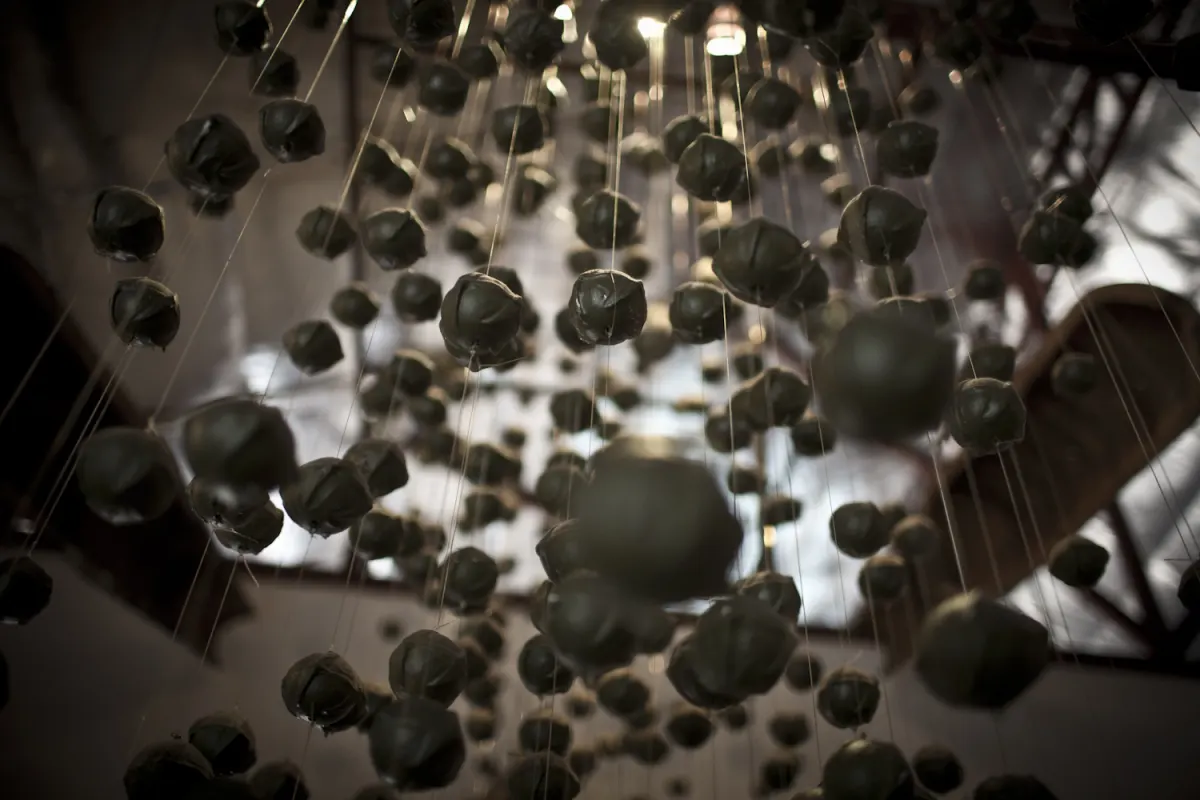
- The COPE Visitor Centre in Vientiane tells the story of the bombing and of the people injured by UXO, through films, exhibits and personal stories. COPE helps survivors and others with disabilities get artificial limbs, wheelchairs and rehabilitation. Entry is free; the café and shop help fund its work.
- In Phonsavan, near the Plain of Jars, the MAG (Mines Advisory Group) visitor centre explains how bombs are found and cleared.
- In Luang Prabang, the UXO Lao visitor centre has a small exhibition.
- If you want to help, donate to an organisation clearing bombs or helping survivors, such as COPE or MAG.



Comments
No comments yet.