
Arriving in Armenia: visa-free stays, e-visas, the border with Georgia and the closed borders with Turkey and Azerbaijan
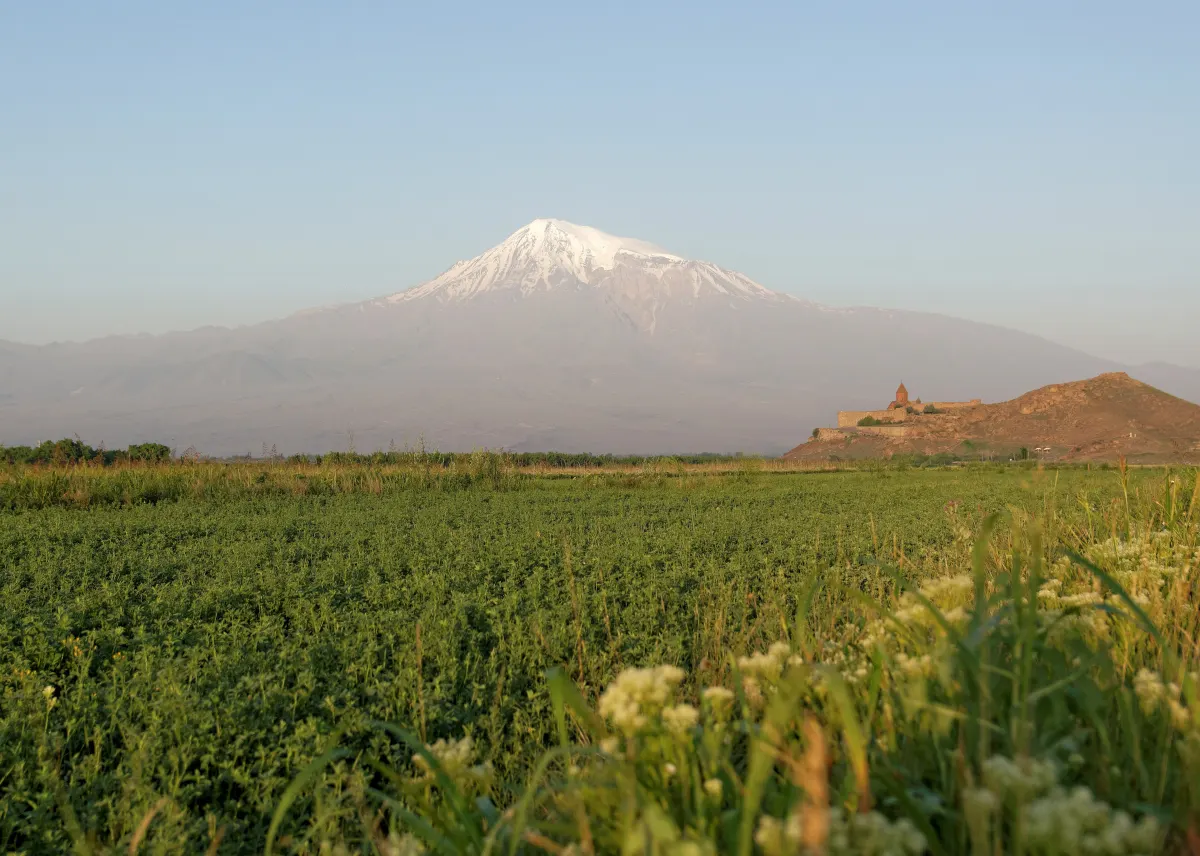
Armenia is easy to visit for most Western travellers: people from the UK, the European Union, the USA, Australia, New Zealand and many other countries can arrive without a visa. The hard part is the geography. Two of Armenia's four land borders, with Turkey and Azerbaijan, are closed, so almost everyone arrives by air or from Georgia.
Do you need a visa?
- Up to 180 days a year without a visa: Armenia's Ministry of Foreign Affairs lists the countries whose citizens are exempt, including the UK, Ireland, every country of the European Union, Switzerland, Norway, Iceland, the USA, Australia, New Zealand, Japan, South Korea and Singapore. They can stay for up to 180 days in a year. The list is on mfa.am.
- Visa-free by agreement: citizens of some other countries, including Georgia, Russia and most other former Soviet states, Argentina, Brazil, China and Iran, can visit without a visa under agreements with Armenia. The length of stay varies, so check the ministry's second list.
- Everyone else needs a visa, which most people can get online through the official e-visa site, evisa.mfa.am, before they travel. Visitor visas are issued for up to 21 days or up to 120 days. At the time of writing, Canada wasn't on either visa-free list, so Canadians should check before they book.
- Residence permit holders: from 1 July 2026 to 1 July 2027, nationals of a long list of countries who hold a valid residence permit for the USA, the EU or Schengen area, or several Gulf states can enter without a visa. The permit must be valid for at least six months. The details are on the ministry's visa page.
- Your passport must be valid for the whole of your stay. Some airlines ask for more, so it's safest to have a few months spare.
- Staying longer: to extend a visa or stay, go to the Passport and Visa Department of the police (OVIR) in Yerevan before your time runs out.
Flying in
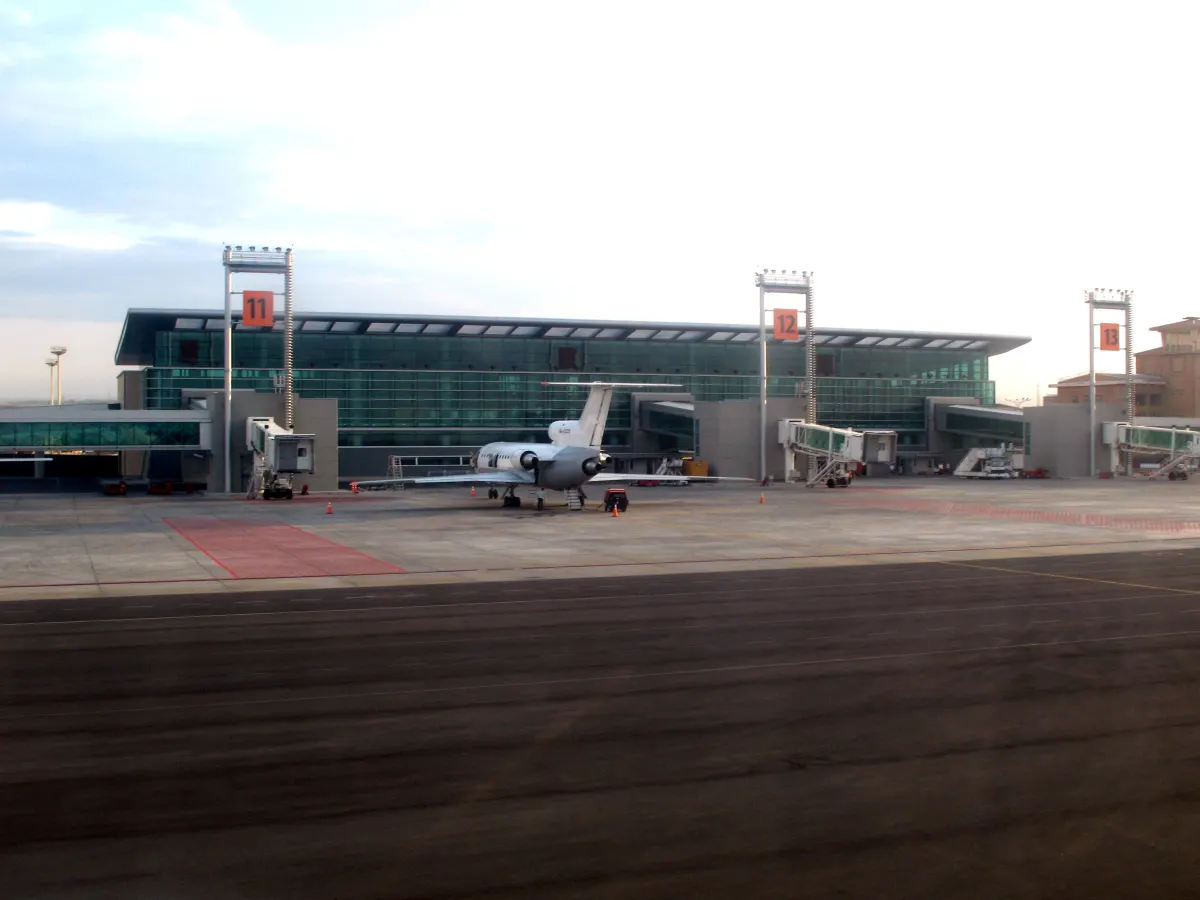
- Almost all flights land at Zvartnots International Airport (EVN), about 12 km west of central Yerevan. Some low-cost flights use Shirak Airport at Gyumri, about two hours north-west by road.
- From Zvartnots, the easiest way into town is a taxi booked through the GG or Yandex Go app, about half an hour, at a fixed fare. Drivers who approach you in the arrivals hall usually ask much more: see Getting around Armenia.
- Mobile networks have desks in the arrivals hall if you want a local SIM card: see Phones and apps.
From Georgia: the easy land border
Most overland travellers come from Tbilisi, a day's drive or a night's train ride away. Armenia and Georgia make a good trip together: see Georgia and Armenia in two weeks.
- Bagratashen–Sadakhlo, south of Tbilisi, is the main crossing, about an hour from Tbilisi, then three to four hours on to Yerevan through the Debed canyon. Shared taxis and minibuses run between the two capitals, and drivers in both cities offer the trip with stops at the monasteries of Haghpat and Sanahin. There are smaller crossings further west, towards Gyumri and Javakheti.
- An overnight sleeper train runs between Tbilisi and Yerevan, about ten and a half hours. Outside summer it runs every second night, and in summer it has been extended to start from Batumi. Book in advance in summer, and check the current timetable with South Caucasus Railway, Armenia's rail operator, or at the station. Border checks happen on the train, at night.
- Avoid the road from Noyemberyan to Ijevan along the border with Azerbaijan, which the UK government advises against using. The Debed canyon road, via Alaverdi and Vanadzor, is the usual route.
Turkey and Azerbaijan: closed borders
- Turkey: the land border has been closed since 1993. Armenia has rebuilt the Margara crossing near Yerevan and Turkey says its side is ready, but at the time of writing no date had been set to open it. Until it opens, the way between the two countries is a flight, for example between Yerevan and Istanbul, or a long detour through Georgia. Mount Ararat, which you see from Yerevan, is on the Turkish side.
- Azerbaijan: the border is closed and militarised along its whole length, including the border with Azerbaijan's exclave of Nakhchivan, and Western governments advise against going near it: see Safety in Armenia. Armenia and Azerbaijan initialled a peace agreement in 2025, but it hadn't been signed at the time of writing. Nagorno-Karabakh, which many older guidebooks cover as a side trip, has been under Azerbaijan's control since 2023 and can't be visited from Armenia.
- Iran: the crossing at Agarak, in the far south, is open to foreigners coming from Iran, but this can change at short notice, and Western governments advise against travel to Iran.
Customs
- Declare cash and traveller's cheques worth more than the equivalent of US$10,000 when you arrive or leave.
- If you bring in more than 3 litres of alcohol, you must declare it and pay duty on the extra. Allowances for tobacco and for goods you've bought abroad are set by the Eurasian Economic Union, of which Armenia is a member. Check the current figures with Armenia's State Revenue Committee, src.am.
- Medicines: some medicines that are legal at home are controlled in Armenia. Bring only what you need, in the original packaging, with a copy of your prescription. Cannabis and products containing CBD or THC are illegal, even with a prescription.
- Ask for an export certificate if you buy an antique, an old carpet or a work of art, as you may be asked for one when you leave.
Insurance
Armenia doesn't require visitors to have health insurance, but you should have it, including medical evacuation: private hospitals in Yerevan are good but expensive, and care outside the capital is basic. See Health in Armenia. Check that it covers hiking and any sports you plan, and remember that travelling against your government's advice, for example near the Azerbaijani border, can invalidate it.
See also: Getting around Armenia, Money in Armenia, Weather and when to go.
Comments
No comments yet.