
Getting around Armenia: marshrutkas, GG and Yandex Go taxis, trains, the Tatev cable car and driving in winter
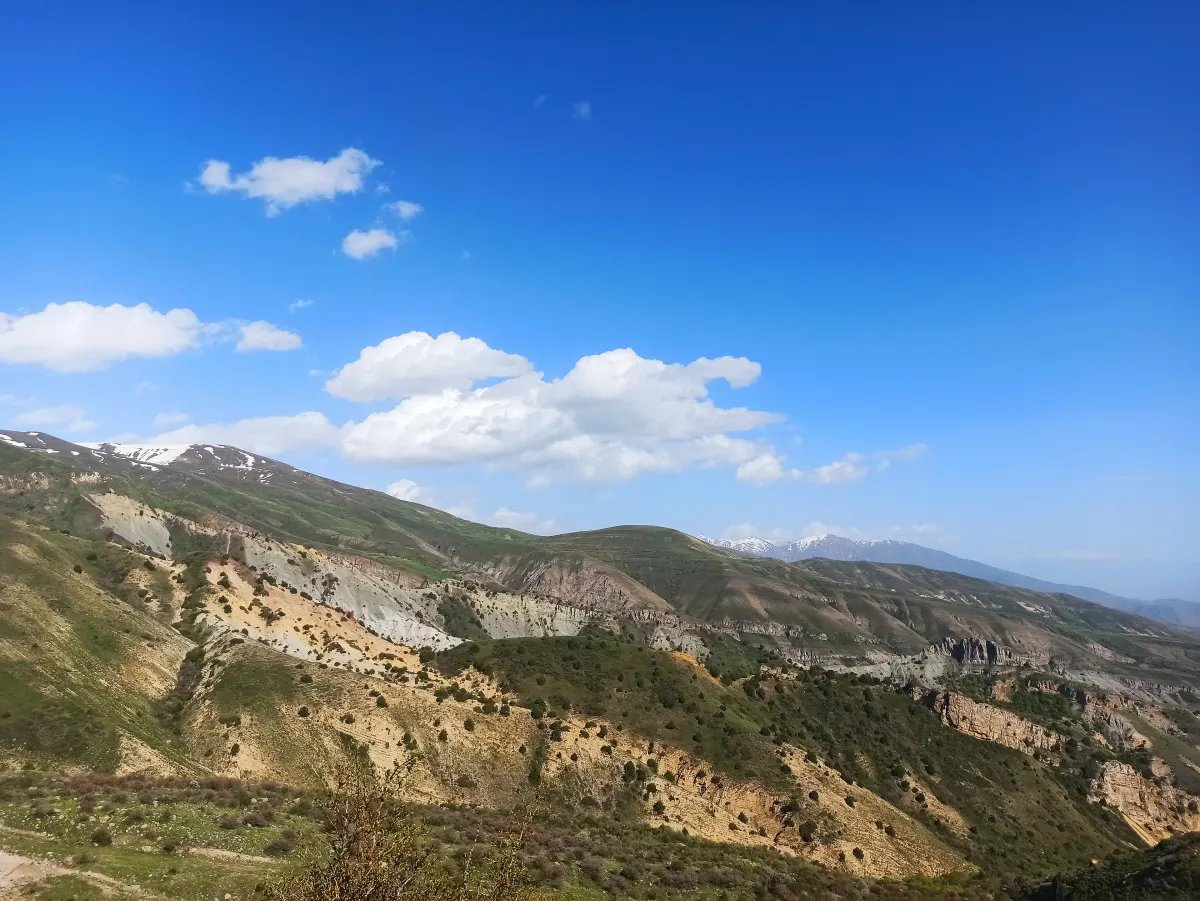
Armenia is small: nowhere is much more than five or six hours' drive from Yerevan, and most of the famous monasteries are day trips from the capital. There's no domestic air network, and few trains, so most travellers use minibuses, shared taxis, taxis booked by app, or a car with a driver.
Marshrutkas and buses
- Marshrutkas, the minibuses, link Yerevan with every town in Armenia, and are the cheapest way to travel. Many leave when they're full rather than to a timetable, and more run in the morning, so start early, especially for long trips.
- They leave from several bus stations and street-side stops in Yerevan, depending on where you're going: the main bus station on Admiral Isakov Avenue has many of the long-distance ones. Ask your guesthouse which stop you need, as they change.
- Pay the driver in cash, in dram. The destination on the front is usually only in Armenian, so ask.
- Shared taxis run on many of the same routes, cost a little more, and leave when they have four passengers.
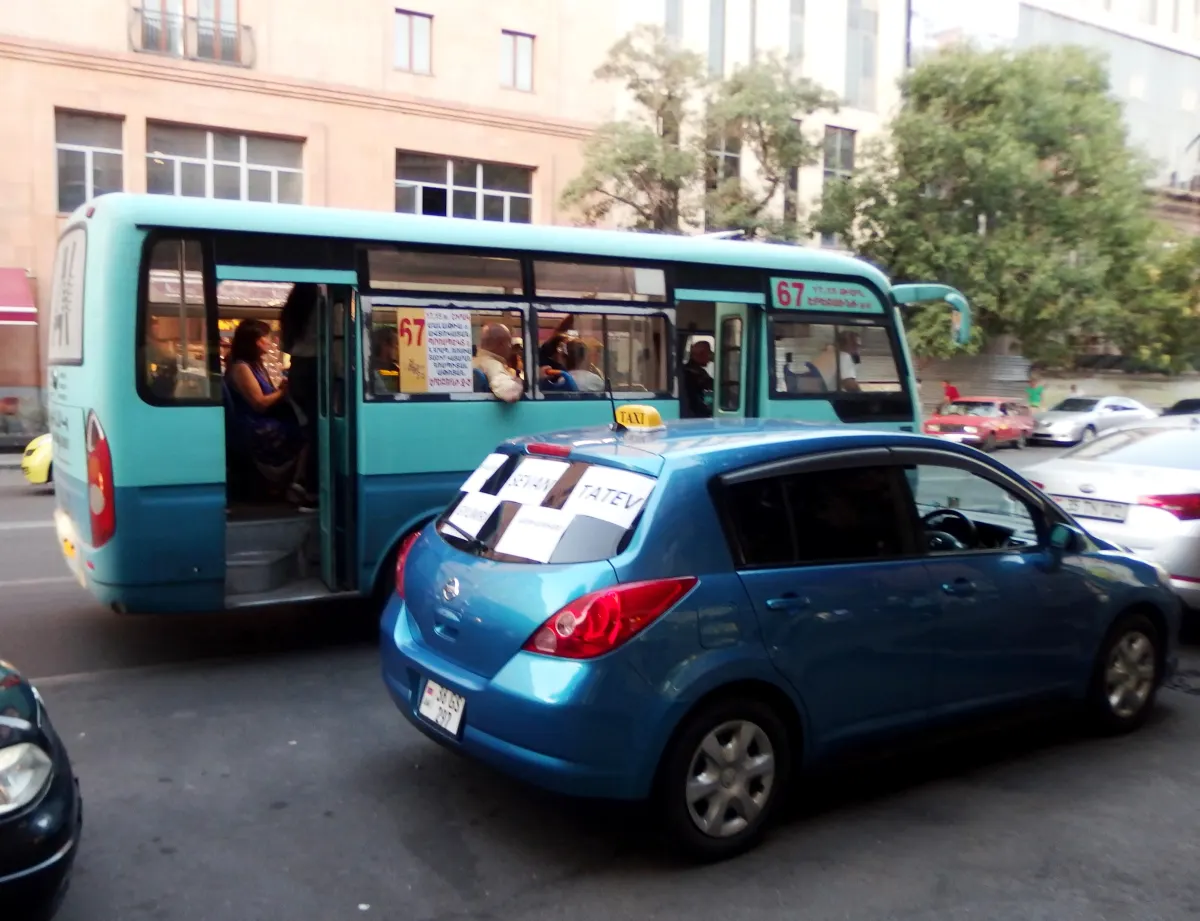
- Places off the main roads, including Geghard, Noravank and Tatev, have few or no buses. A taxi or driver for the day is often the only practical option.
Taxis: use an app
- GG and Yandex Go are the taxi apps everyone uses in Yerevan, and they work in the bigger towns. You see the fare before you book, and pay in cash or by card. Uber doesn't operate in Armenia.
- The UK government advises using an app: taxis hailed in the street don't use meters, and foreigners are often charged several times the normal fare.
- Outside Yerevan, there may be few app taxis. Ask your guesthouse to call one, and agree the fare before you set off.
A driver for the day
Hiring a car with a driver is the most popular way to see the monasteries around Yerevan, and isn't expensive if you share it. Guesthouses, hotels and tour agencies in Yerevan can arrange one, and many drivers speak Russian rather than English. Small-group day tours to Garni and Geghard, Khor Virap and Noravank, and Sevan and Dilijan leave from central Yerevan most days.
In Yerevan
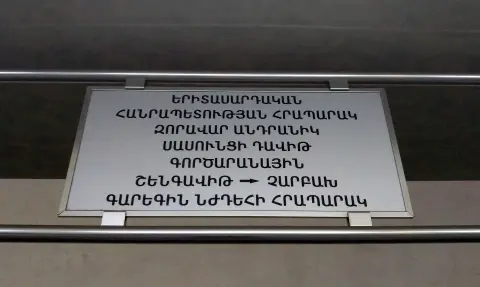
- Yerevan has one metro line, built in Soviet times, which is useful for the train station and the south-west of the city, but doesn't reach the airport. A single ride costs a few hundred dram at most.
- Buses, trolleybuses and minibuses cover the rest of the city. The centre is compact, and best explored on foot.
- Cross busy roads by the underpasses where there are any: the UK government says drivers rarely stop for pedestrians.
Trains
- South Caucasus Railway runs local trains from Yerevan to Gyumri, Armenia's second city, a slow but cheap and scenic ride. In some summers, trains have also run from Yerevan to the shore of Lake Sevan.
- The overnight train to Tbilisi runs every second night most of the year: see Arriving in Armenia.
The Wings of Tatev
The Wings of Tatev cable car, one of the longest in the world at about 5.7 km, carries you over the Vorotan gorge from Halidzor to Tatev Monastery. It runs all year, but the hours change with the seasons, it has often been closed on Mondays, and in winter it has sometimes run only at weekends or stopped in bad weather. There's also a road to Tatev, so you can go up one way and down the other.
Driving
- Armenians drive on the right. The UK government says you need an International Driving Permit (the 1968 kind) with your licence. Get it before you leave home.
- Main roads are mostly paved, but many are in poor condition, with potholes, livestock and unlit trucks. Driving is often fast and aggressive. Avoid driving outside towns after dark.
- Traffic police use cameras, and fines are common. Don't drink at all if you're driving.
- Some roads run close to the closed border with Azerbaijan. Don't use the road between Ijevan and Noyemberyan, and don't stop, leave the road or take photos near military posts: see Safety in Armenia.
Winter roads
Roads are at their worst from November to February, when snow, ice and fog are common in the mountains.
- The road south to Goris and Tatev crosses high passes, including the Vardenyats pass (Selim, about 2,400 m) on the road from Sevan, and runs over the high plateau around Sisian. Passes can close for hours after heavy snow.
- Roads round Lake Sevan and the Sevan tunnel to Dilijan are usually kept open, but take care.
- If you hire a car in winter, ask for winter tyres and carry warm clothes, water and a full tank. Check the weather and road conditions before you set off, and ask locally.
See also: Phones and apps, Weather and when to go, 7 days in Armenia.
Comments
No comments yet.