
Safety in Armenia: the border with Azerbaijan, crime, taxis, earthquakes and drug laws
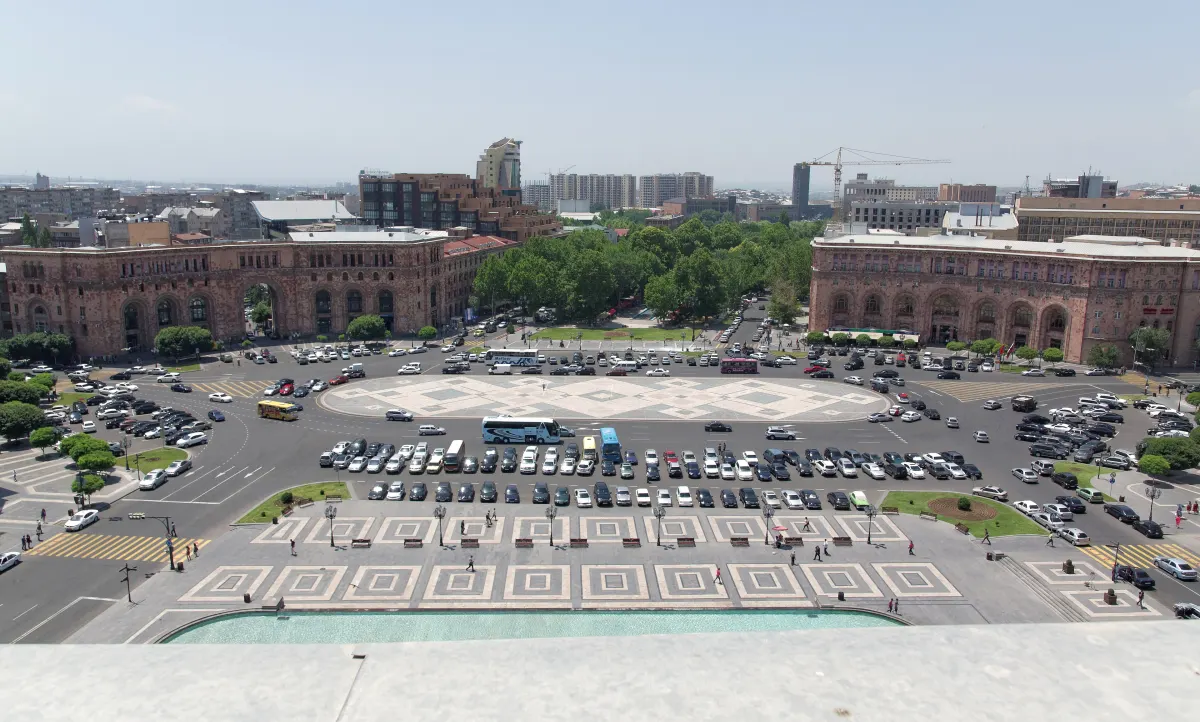
Armenia is generally a safe country to travel in. Crime is low, Yerevan is lively and relaxed late at night, and violent crime against visitors is rare. The real risk is the long, closed and militarised border with Azerbaijan, and you should know where it is before you plan your route.
The border with Azerbaijan
Armenia and Azerbaijan fought wars over Nagorno-Karabakh in the 1990s and in 2020, and there were deadly clashes on the border itself in 2021 and 2022. In 2023, Azerbaijan took control of Nagorno-Karabakh, and most of its Armenian population fled to Armenia. The two countries initialled a peace agreement in 2025, and the border has been calmer, but at the time of writing the agreement hadn't been signed, and the border remains closed.
- The UK government advises against all travel within 5 km of the entire eastern border between Armenia and Azerbaijan, and along the road between Ijevan and Noyemberyan in the north-east. It says consular help is severely limited in these areas.
- The US government advises its citizens not to travel to the border region with Azerbaijan, and to exercise increased caution in Armenia as a whole. Australia also advises against travel within 5 km of the border, and warns of landmines and unexploded ordnance in the border areas.
- The border is long and winding, and some towns and villages people visit, especially in Syunik in the south (around Goris and Kapan), in Tavush in the north-east, and east of Lake Sevan, are close to it. Look at a map, and check your government's current advice before you go, as it can change quickly.
- The main road south from Yerevan, towards Areni, Noravank and Tatev, passes close to the border with Azerbaijan's exclave of Nakhchivan near Yeraskh. Stay on the main road, don't stop near military posts, and never photograph them.
- Never hike, camp or leave the road near the border, and keep to marked paths anywhere you see warning signs.
- Travelling against your government's advice can invalidate your travel insurance.
Crime and scams
- Pickpockets and bag snatchers work in crowded places in Yerevan. Cars are sometimes broken into: leave nothing on show.
- Carry a copy of your passport rather than the original, and check for anyone watching when you use an ATM.
- Taxis hailed in the street often overcharge foreigners. Use the GG or Yandex Go app, and sit in the back if you're alone. Women travelling alone have occasionally been harassed by drivers.
- Be careful with drink, and with very friendly strangers who suggest a bar: as in many cities, bill scams happen.
Protests
Demonstrations take place in central Yerevan from time to time, usually around Republic Square, the parliament and the government buildings. Most are peaceful, but some have turned violent. Keep away from large crowds, and follow local news.
Drugs and other laws
- Penalties for drug offences are severe, including long prison sentences, and apply in transit too. Smuggling drugs can mean four to ten years in prison.
- Cannabis and products containing CBD or THC are illegal, even if a doctor prescribed them.
- Photographing military bases, equipment and installations is illegal.
- Foreigners have been arrested for being drunk and disorderly.
On the roads
Road accidents are a bigger danger than crime. Driving is fast, roads are often poor, and winter brings snow and fog in the mountains. Wear a seat belt, avoid driving outside towns after dark, and choose drivers who don't speed: see Getting around Armenia.
Earthquakes
Armenia is in an earthquake zone. In 1988, an earthquake in the north killed between 25,000 and 50,000 people and destroyed much of Spitak, Gyumri and Vanadzor. Learn what to do in an earthquake: drop, cover and hold on, away from windows.
Outdoors
In the mountains, the dangers are sheepdogs, which guard flocks fiercely, sudden storms, and getting lost: see Hiking in Armenia. Street dogs in towns are mostly harmless, but rabies is present: see Health in Armenia.
Comments
No comments yet.