
Health in Armenia: hospitals, vaccinations, rabies, ticks, altitude and water
Armenia has no major health risks for most travellers, but medical care outside Yerevan is basic, rabies is present, and the summer heat and the high mountains need some respect.
Hospitals and insurance
- Public hospitals in Yerevan can deal with minor and straightforward problems. Outside the capital, care is likely to be basic.
- Private hospitals and clinics in Yerevan are of a good standard but can be expensive, and expect payment or a guarantee from your insurer.
- Have travel insurance that covers medical treatment and evacuation, and any activities you plan, such as hiking at altitude or skiing.
- In an emergency, call 911 and ask for an ambulance with an English speaker. Many doctors speak Russian; fewer speak English.
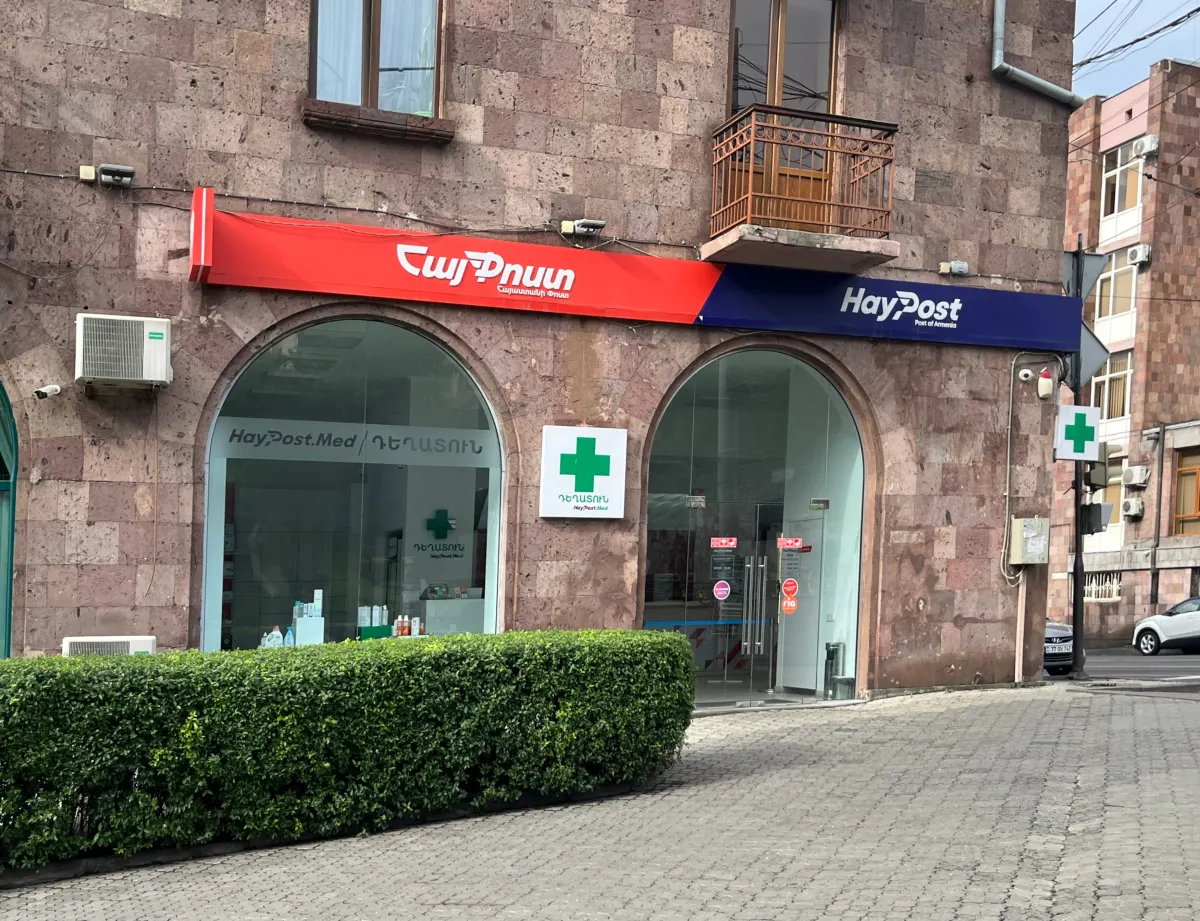
Pharmacies
Pharmacies are everywhere in Yerevan and the towns, many open late, and pharmacists can help with minor problems. Bring enough of any regular medicine for your whole trip, in its original packaging, with a copy of the prescription: some medicines are controlled in Armenia, and cannabis-based products are illegal even with a prescription. See Arriving in Armenia.
Vaccinations
See a travel health clinic at least eight weeks before you go. The UK's travel health service, TravelHealthPro, recommends:
- for most travellers: hepatitis A, typhoid, and a tetanus booster if you haven't had one for ten years;
- for some travellers: hepatitis B, and rabies for those at higher risk, such as long-stay travellers, hikers and anyone working with animals;
- making sure you're up to date with measles (MMR).
There are no vaccination certificate requirements to enter Armenia.
Rabies and dogs
- Rabies is present in Armenia, in dogs and other animals, and bats may carry rabies-like viruses.
- Don't touch or feed street dogs or other animals. Sheepdogs in the mountains can be aggressive: see Hiking in Armenia.
- If you're bitten, scratched or licked on broken skin, wash the wound with soap and water for 15 minutes, and get medical help the same day, even if you've been vaccinated.
Ticks and insects
Ticks and biting insects in the region can spread diseases, including Crimean-Congo haemorrhagic fever, West Nile virus and leishmaniasis, for which there's no vaccine. Use insect repellent, wear long trousers in long grass and woodland, and check yourself for ticks after a walk. See a doctor if you get a fever after a tick bite.
Altitude
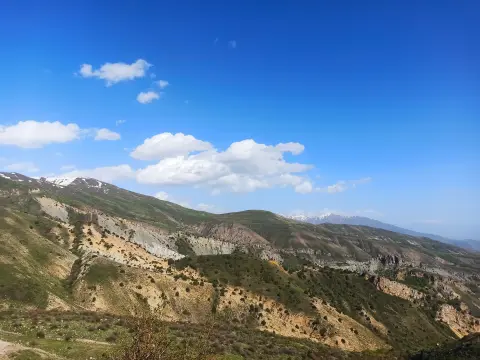
Much of Armenia is high: Yerevan is about 1,000 m above sea level, and Lake Sevan about 1,900 m. Mount Aragats, the highest peak, reaches 4,090 m, and the lake below its summits, where most climbs start, is at around 3,200 m. Altitude sickness is possible above about 2,500 m. Go up slowly, drink plenty, and come down if you get a bad headache, nausea or breathlessness.
Heat and sun
Yerevan and the Ararat valley are very hot in July and August, often above 35°C, and the sun is strong at altitude all year. Drink plenty of water, wear a hat and sunscreen, and do your sightseeing early and late in the day: see Weather and when to go.
Water and food
- Yerevan's tap water comes from mountain springs, and many locals and visitors drink it, as well as from the small drinking fountains, pulpulaks, on the streets. If you have a sensitive stomach, or outside the city, bottled water is cheap everywhere.
- Food is generally safe. Eat busy places' food, and wash fruit from the market.
- Air pollution in Yerevan can be high at times, especially in winter. If you have asthma, bring your inhaler.
Comments
No comments yet.