
Health in Cambodia: vaccinations, dengue, malaria, rabies, water, the heat and hospitals
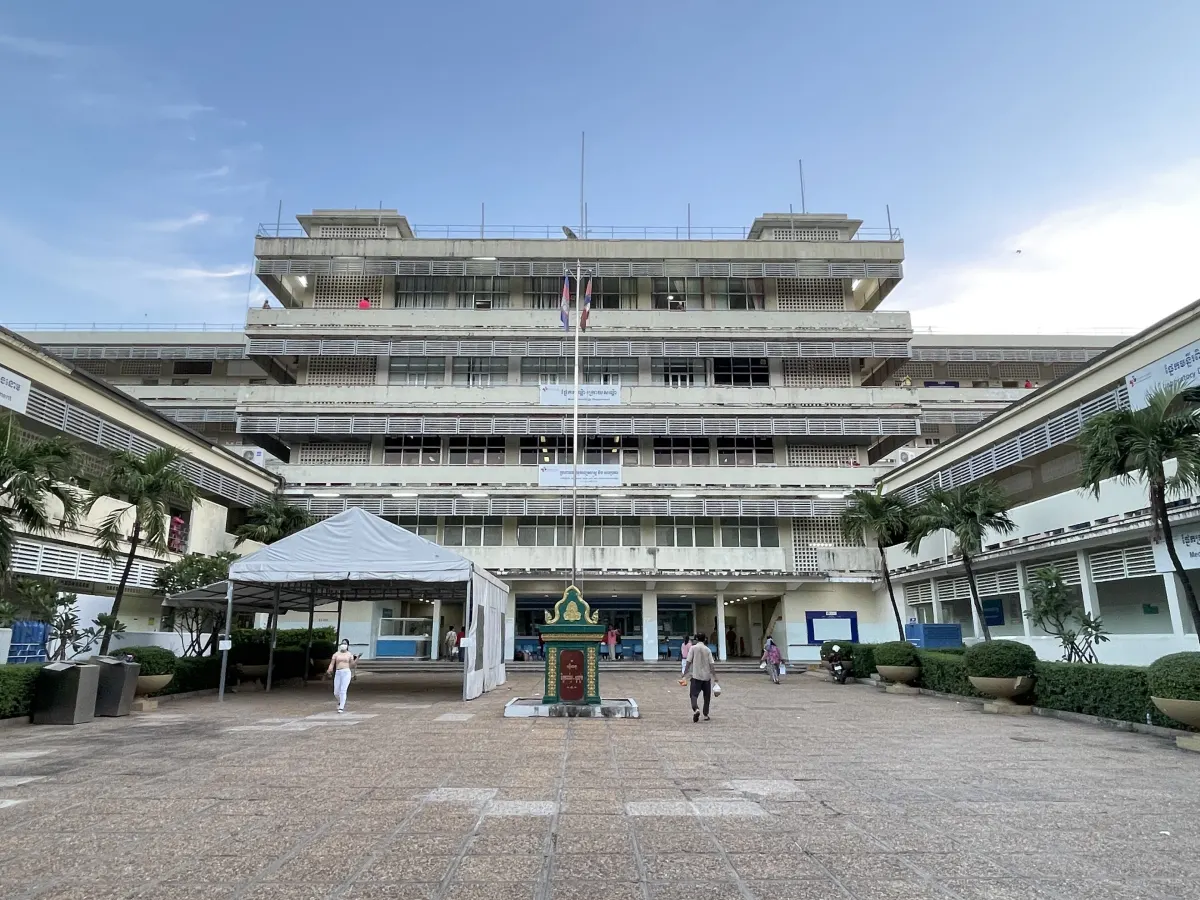
Most visitors to Cambodia stay healthy, but medical care outside Phnom Penh and Siem Reap is basic, so take care, and make sure your travel insurance covers medical treatment and evacuation.
Before you go
- See a travel health clinic at least eight weeks before you travel. They'll check your routine vaccinations and may recommend others, such as hepatitis A, typhoid, and, depending on your plans, hepatitis B, rabies and Japanese encephalitis.
- If you're coming from a country with yellow fever, you need a yellow fever certificate.
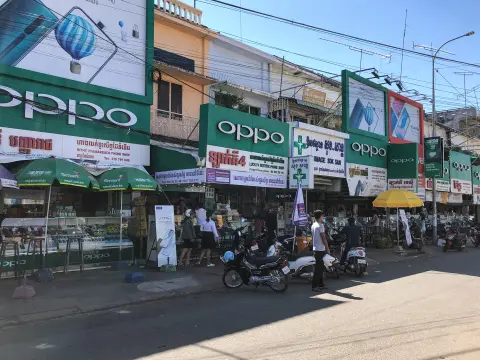
- Bring enough of your own medicines for the trip, in their original packs with your prescription. Pharmacies in Cambodia sell fake medicines, so buy only from big, reputable pharmacies.
- Travel insurance with medical cover is essential: serious cases are often flown to Bangkok or Singapore, which is very expensive.
Mosquitoes
- Dengue fever is common, especially in the rainy season, in towns as well as the countryside. There's no simple treatment, so avoid bites: use a strong repellent, wear long, light clothes at dawn and dusk, and sleep in a room with screens or air-conditioning, or under a net. See a doctor if you have a high fever.
- Malaria is found mainly in forested and remote areas, especially near the borders. Ask a travel clinic whether you need tablets for your route.
- Chikungunya, Japanese encephalitis and Zika are spread by mosquitoes too.
Rabies and animals
- Rabies is found throughout Cambodia, carried by dogs, cats, monkeys and bats. Don't touch or feed animals, including the monkeys at temples and the dogs at guesthouses.
- If you're bitten or scratched, wash the wound with soap and water for 15 minutes and get treatment the same day, even if you've been vaccinated. The Institut Pasteur in Phnom Penh has a rabies clinic, and the big private clinics have the vaccine.
Food, water and swimming
- Drink bottled or filtered water, and avoid ice from the street. See Khmer food and drink.
- Upset stomachs are common: bring oral rehydration salts.
- Don't swim in rivers and lakes, which can carry parasites such as bilharzia (schistosomiasis).
The heat
Cambodia is hot all year and very hot from March to May. Drink plenty of water, wear a hat and sun cream, rest in the middle of the day, and be careful climbing the steep temple stairs at Angkor in the heat. Air pollution can be bad in the towns, especially in the dry season.
Medical care
- Public hospitals are generally poor. Phnom Penh and Siem Reap have private international clinics and hospitals, with English-speaking staff, and there are some private clinics in Battambang, Kampot and Sihanoukville. Outside these towns there's almost nothing that can deal with an emergency.
- Hospitals usually want payment, or proof of insurance, before they treat you. Call your insurer straight away.
- For an ambulance in Phnom Penh, call 119. Elsewhere, it's often faster to take a taxi to a clinic.
See also: Safety and Weather and when to go.

Comments
No comments yet.