
Arriving in Cambodia: e-visas, visa on arrival, the e-Arrival card and border crossings
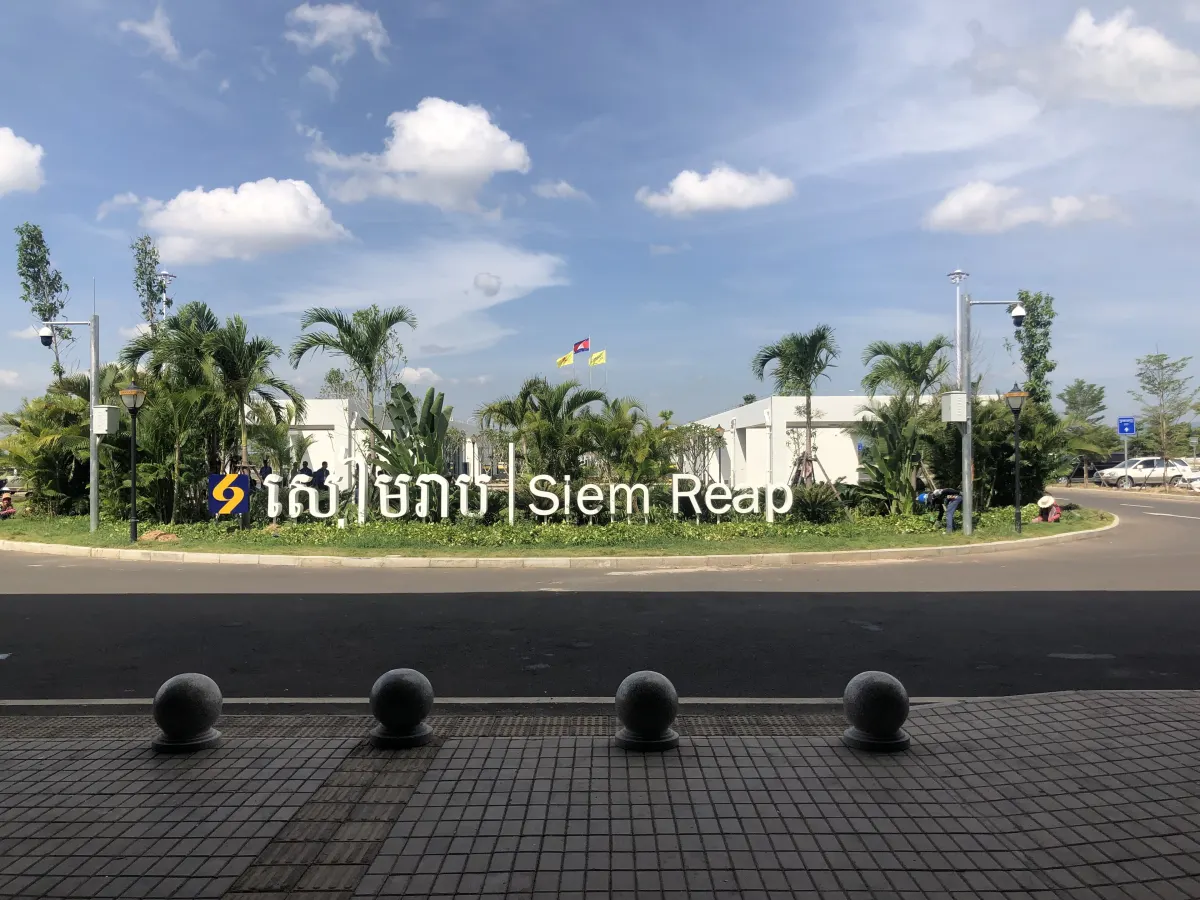
Most visitors need a visa for Cambodia, but it's easy to get: apply online for an e-visa before you go, or buy one when you land. Everyone flying in also has to fill in the free online e-Arrival card in the week before they arrive. Both Phnom Penh and Siem Reap have new airports a long way out of town, and the land borders with Thailand are closed.
Do you need a visa?
- Most nationalities need a visa, including British, Irish, American, Canadian, Australian, New Zealand and other European visitors. A tourist visa lets you stay for 30 days from the day you arrive, and can be extended once inside Cambodia.
- Citizens of most other Southeast Asian (ASEAN) countries can visit without a visa for a short stay. Check the rules for your passport with the nearest Cambodian embassy.
- Your passport must be valid for at least six months from the day you arrive, with blank pages, and in good condition.
The e-visa
- Apply on the Ministry of Foreign Affairs' site, evisa.gov.kh, or its official app. The tourist e-visa (Visa T) costs US$30 plus a processing fee, and is normally approved within three business days, so apply at least a few days before you fly. Print it, or keep a copy on your phone.
- It's valid for three months from when it's issued, for a single stay of up to a month.
- The e-visa can be used only at certain entry points: the airports at Phnom Penh (Techo), Siem Reap and Sihanoukville, and, at the time of writing, the Bavet crossing from Vietnam and the Trapeang Kriel crossing from Laos. Check the list on the e-visa site if you're coming overland.
Visa on arrival
- You can also buy a tourist visa when you arrive at the international airports and at the main land border crossings. Bring a passport photo and the fee in US dollars cash, in clean notes. It's US$30 at the time of writing.
- At some land borders, officials or bus companies have charged visitors more than the official fee, or asked for extra "fees". An e-visa avoids that.
The e-Arrival card
- Since 2024, everyone flying into Cambodia has to fill in the Cambodia e-Arrival card online, within seven days before you arrive, at arrival.gov.kh or in the official Cambodia e-Arrival app. It replaces the old paper arrival and customs forms.
- It's free. You need it even if you already have a visa, and it doesn't replace the visa. Show the QR code it gives you at immigration.
Fake visa websites
Search for "Cambodia visa" and you'll find many sites that look official but aren't. They charge far more than the real fee, and Cambodia's government has warned visitors about them for years, and more recently about copycat e-Arrival sites too. The only official sites are evisa.gov.kh for the e-visa and arrival.gov.kh for the e-Arrival card, which is free. Type the addresses in yourself rather than clicking on ads.
Arriving by air
- Phnom Penh: flights moved to the new Techo International Airport in September 2025. It's a long way south of the city, so allow around an hour into the centre by taxi, ride-hailing car or airport bus, depending on traffic. The old airport, near the city, no longer has international flights.
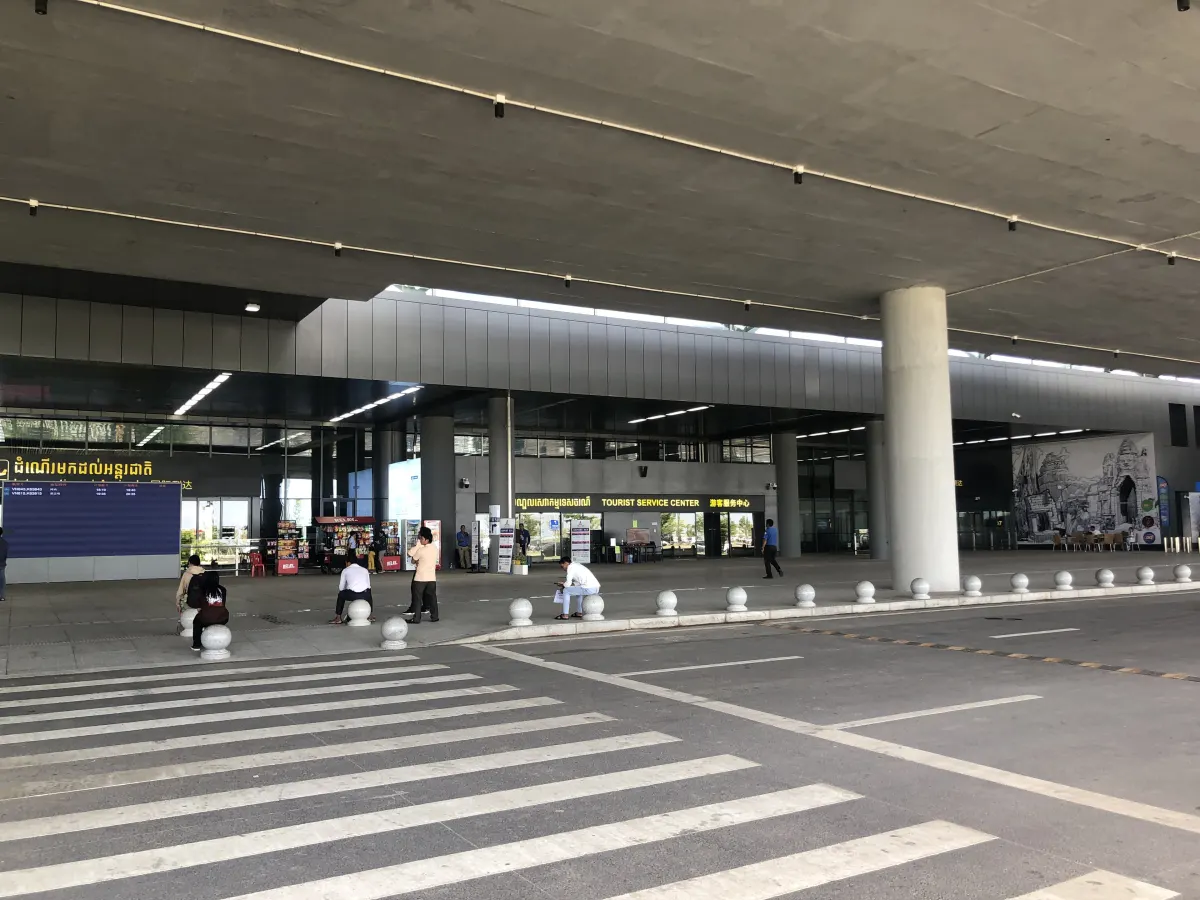
- Siem Reap: the Siem Reap–Angkor International Airport opened in 2023, about 45 to 50 km from town, so the drive takes about an hour. There are shuttle buses and taxis, and many hotels will arrange a pick-up.
- Sihanoukville airport, on the coast, has a few flights, mostly from elsewhere in Asia.
- There are SIM card counters in the arrivals halls: see Phones and apps.
Arriving overland
- From Thailand: closed. After fighting along the border in 2025, all the land border crossings between Cambodia and Thailand, including Poipet and Cham Yeam, are closed, and governments advise against travel near the border. You can still fly between the two countries. See Safety.
- From Vietnam: the busiest crossing is Bavet, on the road and bus route from Ho Chi Minh City to Phnom Penh. There are other crossings, including by boat on the Mekong to Phnom Penh, and near Kep and Kampot.
- From Laos: the crossing at Trapeang Kriel, near Stung Treng, links southern Laos and the 4,000 Islands with Kratie and Phnom Penh.
- Crossings can be basic, and scams are common: people offering to "help" with visas, buses that stop at agencies charging extra, and inflated fees. Get your visa first if you can, and keep your passport with you.
Staying longer, and leaving
- Don't overstay. The fine is around US$10 a day with no limit, and long overstays can mean detention and deportation.
- Your hotel or guesthouse has to register you on the government's system for foreigners. If you stay with friends, ask them about it.
- You can't take cannabis or other drugs out of Cambodia, and travellers have been arrested at the airport for trying. Never carry a bag or parcel for someone else.
See also: Getting around Cambodia, Money and Safety.

Comments
No comments yet.