
Safety in Cambodia: the Thai border, bag snatching, scams, job scams, drugs and the roads
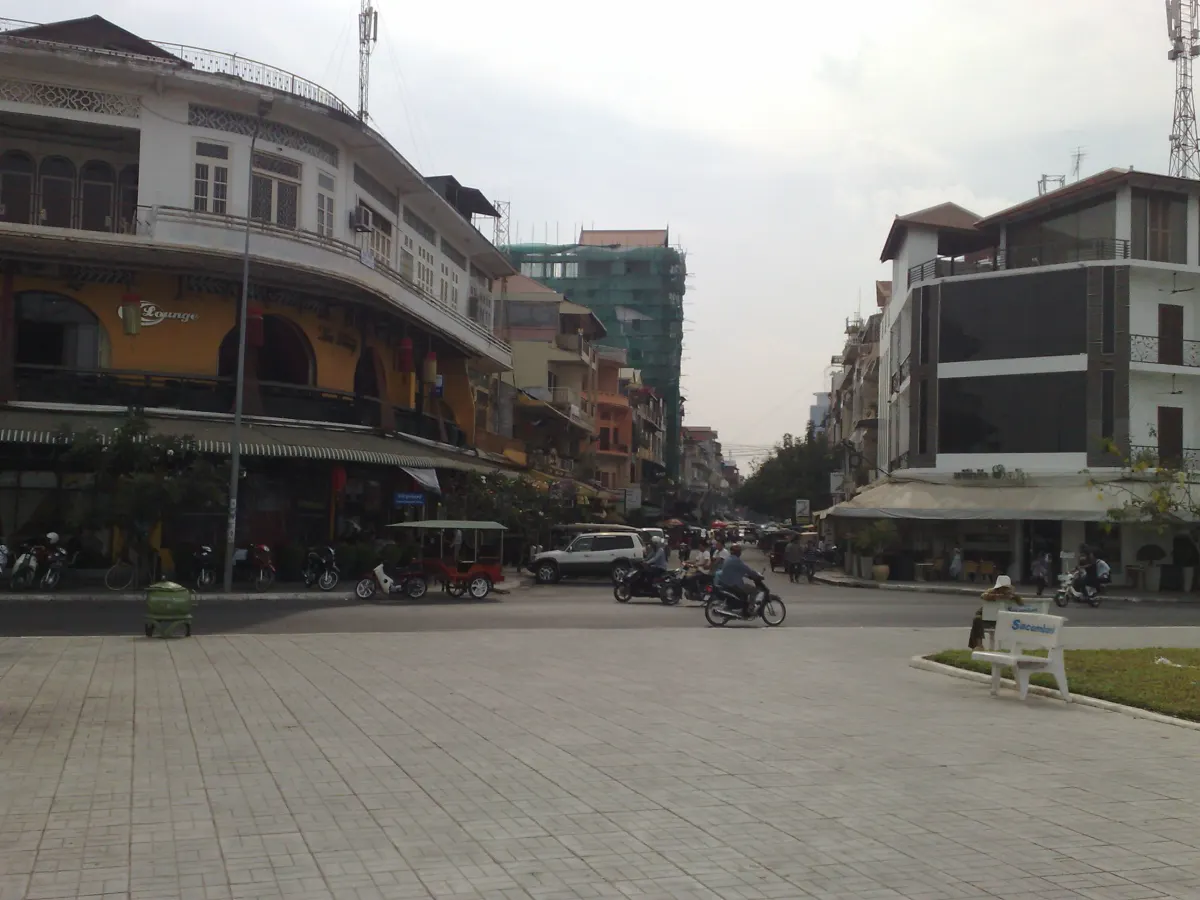
Cambodia is a friendly country, and most visits are trouble-free. The main risks to visitors are bag snatching, the roads, and, at the moment, the area along the border with Thailand. Check your government's travel advice before you go, and again while you're there.
The Thai border
- Cambodia and Thailand fought along their border in 2025, with artillery, rockets and air strikes. A ceasefire was signed in December, but the situation is still tense, and all the land border crossings with Thailand are closed.
- At the time of writing, the UK advises against all but essential travel within 20 km of the Thai border. Australia advises against all travel within 50 km of it in the provinces of Banteay Meanchey, Oddar Meanchey, Preah Vihear, Battambang, Pailin, Pursat and Koh Kong. Check your own government's advice, as travel insurance may not cover you if you go against it.
- Temples on the border, including Preah Vihear, are closed. Siem Reap, Angkor, Phnom Penh, Kampot and the coast are well away from the border, and Battambang town is outside these zones, but the main road from Siem Reap to Battambang passes through Sisophon, inside Australia's 50 km zone. There are new landmines and unexploded shells near the border: see Landmines.
Bag and phone snatching
- The most common crime against visitors is snatch theft by thieves on motorbikes, who grab bags and phones from people walking, or riding in tuk-tuks or on motorbike taxis. They sometimes cut the strap, and people have been badly hurt when they were pulled off or held on. Phnom Penh's riverfront and BKK area, and Sihanoukville, are hot spots.
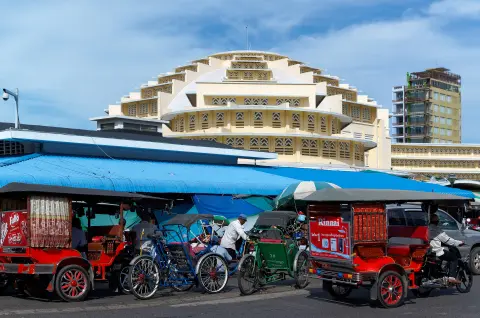
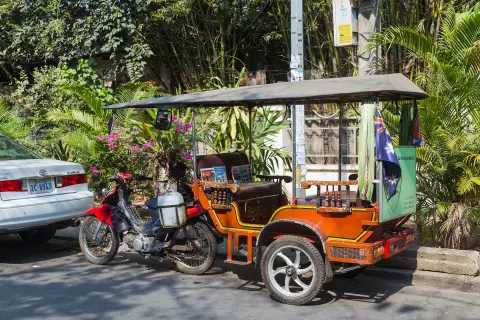
- Carry your bag on the side away from the road, across your body, and don't hold your phone out by the roadside or in a tuk-tuk. Tuk-tuks with netting or a grill on the sides are safer.
- Carry only what you need, and leave your passport and spare cash in the hotel safe. If someone grabs your bag, let go.
- Things have been stolen from locked rooms in cheap guesthouses, and from bags on buses.
Scams
- Fake visa websites: see Arriving.
- Fake notes, especially US$50 and US$100 notes, given as change: see Money.
- Tuk-tuk drivers who take you to shops or a different hotel for commission. Use Grab or PassApp, or agree the price and destination first.
- Card games, and friendly strangers who invite you home, then cheat you at cards or ask for money for a sick relative.
- Fake charities and "orphanage" visits: see Orphanages and children.
- Strangers who ask you to carry a package out of the country: they may contain drugs.
Job scams and scam compounds
Criminal gangs run online fraud from guarded compounds in Cambodia, many around Sihanoukville, in Kandal province and near the borders. They lure foreigners with job adverts offering easy, well-paid work, often in customer service or IT, then take their passports and force them to work on scams. Be very wary of any job offer in Cambodia that seems too good to be true, especially one found on social media, and check that it's real before you travel.
Drink spiking, methanol and sexual assault
- Drinks have been spiked in bars and at parties, including on the islands, and women have been sexually assaulted, including by men posing as motorbike taxi drivers around Pub Street in Siem Reap. Keep your drink with you, go out with people you trust, and book transport home on an app.
- People have died from methanol in drinks. Avoid home-made rice wine and spirits, and cheap cocktails or buckets in places you don't trust.
Drugs
Drug penalties are severe: long prison sentences, up to life, even for small amounts. Drugs are often offered in bars and on the islands, police raid venues and may test you, and "happy" pizzas or shakes can be dangerous. It's illegal to take cannabis out of Cambodia, and people have been arrested at the airport for it.
Roads and boats
- Road accidents are the biggest danger to most visitors: see Getting around. Avoid travelling by road at night, choose good bus companies, and always wear a helmet on a motorbike.
- Island boats sometimes sail overloaded or in bad weather. Don't get on if it looks unsafe, and wear a life jacket.
- Swim only where it's safe: there are no lifeguards, and currents can be strong in the rainy season.
Other things to know
- Avoid political demonstrations and large gatherings.
- Same-sex relationships are legal, and Cambodia is generally tolerant, but public displays of affection of any kind are frowned on.
- Police may not speak English, and stations aren't always open. Get a police report for your insurance if anything is stolen: the tourist police in Phnom Penh and Siem Reap are used to helping visitors, and reports should be free.
Emergency numbers
- Police: 117. Fire: 118. Ambulance: 119, mainly in Phnom Penh: elsewhere, it's often quicker to go straight to a hospital or call a private clinic.
- The national police have a 24-hour hotline for foreigners: +855 31 201 2345.
See also: Health in Cambodia and Landmines.
Comments
No comments yet.