
Visiting Angkor: passes, opening hours, sunrise, dress code, and hiring a guide or driver
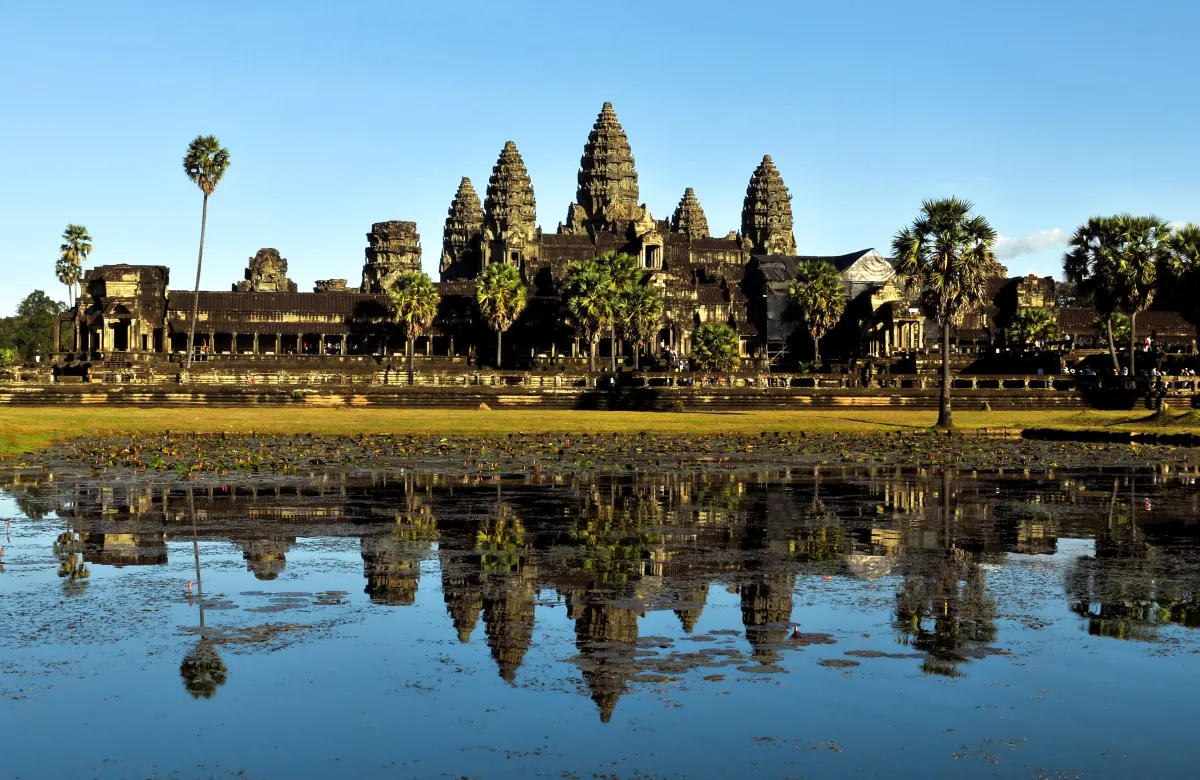
The temples of Angkor, the capital of the Khmer empire from the 9th to the 15th century, are Cambodia's greatest sight and among the wonders of the world. They're spread over hundreds of square kilometres of forest north of Siem Reap, so you'll need a pass, transport and, ideally, at least three days.
Angkor passes
- You need an Angkor pass to visit the temples of the Angkor park. At the time of writing, it costs US$37 for one day, US$62 for three days, used within seven days, and US$72 for seven days, used within a month.
- Buy it online from Angkor Enterprise, the official seller, at angkorenterprise.gov.kh, or at the official ticket centre in Siem Reap, where your photo is taken for the pass. Resellers charge more, and passes from touts may be fake or used.
- Carry it all the time: it's checked at the entrances to the main temples, and you can be fined if you don't have one.
- A few temples further out need separate tickets from the same site, such as Koh Ker, Beng Mealea and Kbal Spean. Phnom Kulen has its own entry fee, paid on the way up.
Opening hours and sunrise
- Angkor Wat opens at 5 in the morning, for the sunrise, and closes at 5:30 in the afternoon. Phnom Bakheng, a temple on a hill, stays open until 7 for the sunset. Most other temples open later in the morning and close around sunset. Check the times on the Angkor Enterprise site, as they can change.
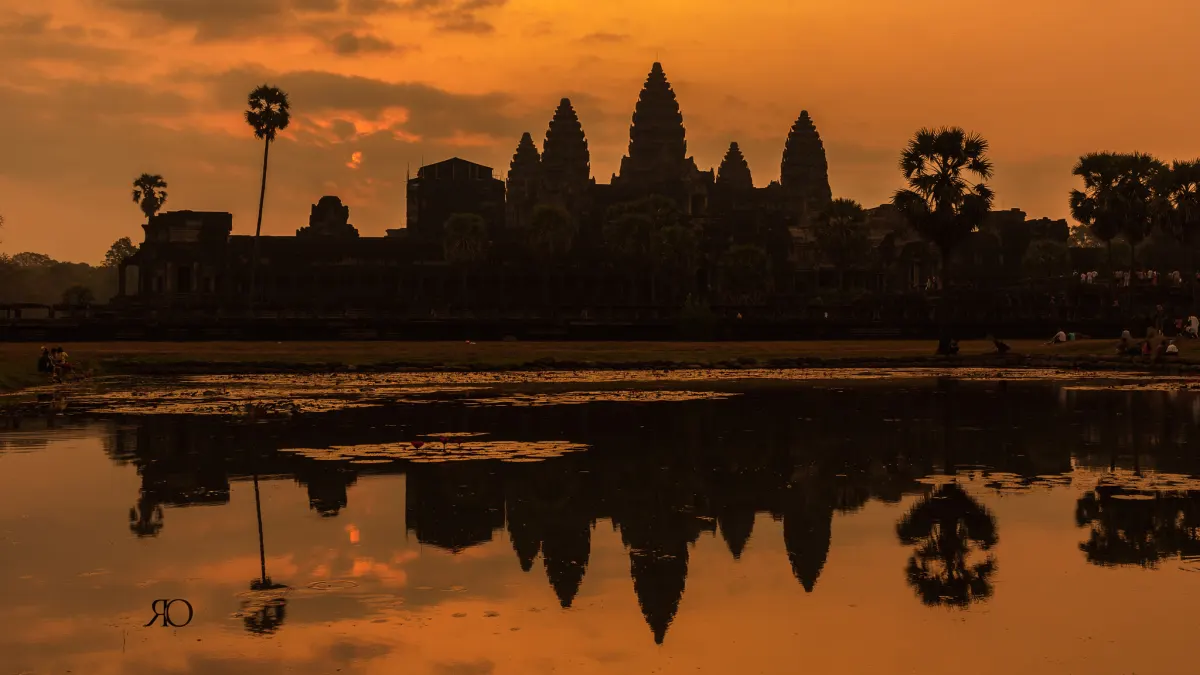
- Sunrise at Angkor Wat is famous, and crowded: leave Siem Reap at about 4:30 to 5, and stand by the ponds in front of the temple to see its towers reflected in the water. It's most beautiful in the dry season, when the sky is clearer.
- The tour buses leave Angkor Wat for breakfast after sunrise, which makes it a good time to explore inside. The middle of the day is hottest: go back to your hotel for lunch and a rest, and go out again in the late afternoon.
What to wear, and how to behave
- Angkor is a sacred site, and still a place of worship. The official code of conduct prohibits shorts and skirts above the knee and bare shoulders, for men and women, and staff can stop you going in, especially to the upper level of Angkor Wat. Light trousers or a long skirt and a T-shirt are cool enough.
- Don't touch the carvings, sit or lean on the temples, or climb on loose stones, and obey the signs. Smoking is banned. Keep your voice down.
- Ask before you photograph monks, and women shouldn't touch or sit next to them.
- Don't buy things from or give sweets or money to children at the temples: it keeps them out of school. See Orphanages and children.
- Drones aren't allowed without a permit.
Getting round the temples
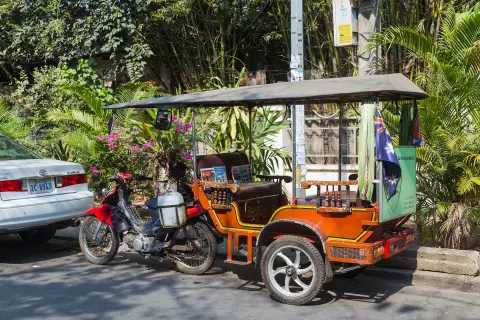
- Tuk-tuk: the classic way. Hire a driver for the day through your hotel or on a ride-hailing app, and agree the route and the price, which is more for the sunrise and the longer circuits. The driver waits at each temple.
- Car with a driver: air-conditioning is welcome in the hot months, and it's quicker for the far temples, such as Banteay Srei, Kbal Spean and Beng Mealea.
- Bicycle or e-bike: the roads round the main temples are flat and quiet, and e-bikes can be rented in Siem Reap. It's hot, so start early.
- Guide: a licensed guide brings the temples to life, and explains the carvings and the history. Hire one through your hotel or a reputable agency, and ask to see their guide licence.
Which temples to see
- One day: Angkor Wat at sunrise, then the walled city of Angkor Thom with the faces of the Bayon, the Terrace of the Elephants, and Ta Prohm, with trees growing through its ruins.
- Three days: add the "grand circuit" temples, such as Preah Khan, Neak Pean and Pre Rup, and the pink sandstone carvings of Banteay Srei, 35 km north, with Banteay Samre on the way back.
- More time: the river carvings of Kbal Spean and the waterfalls of Phnom Kulen, the jungle ruins of Beng Mealea, the Roluos temples, and the pyramid of Koh Ker, about two and a half hours away.
- The Angkor National Museum in Siem Reap is a good introduction before you start.

Historic sites
Angkor Wat
Siem Reap
The largest religious monument in the world, built in the 12th century as a Hindu temple, later Buddhist, with five lotus towers and kilometres of ca…

Historic sites
Bayon and Angkor Thom
Siem Reap
The walled royal city of Angkor Thom, entered by gates guarded by rows of gods and demons.
Historic sites
Ta Prohm, Angkor
Siem Reap
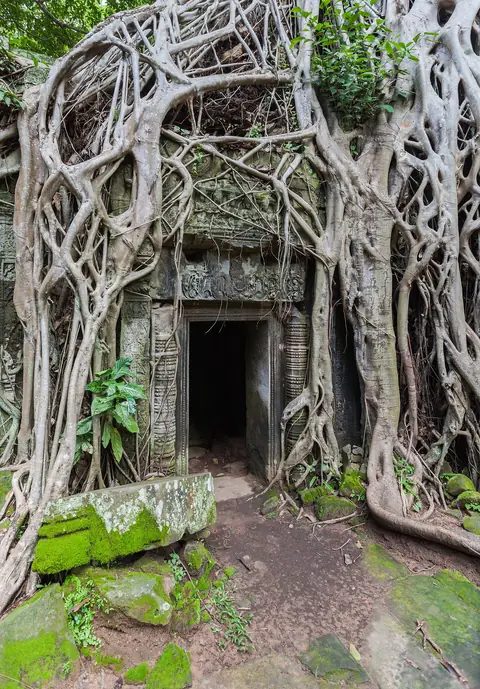
The 'jungle temple' of Angkor, left much as it was found, with giant silk-cotton and strangler fig trees growing out of its walls and roots wrapping …
Tips
- The best time to visit is from November to February, when it's driest and coolest. March to May is very hot. In the rainy season the temples are green and quieter: see Weather.
- Bring plenty of water, sun cream, a hat and good shoes: the stairs are steep and uneven. Leave tripods, big backpacks and high heels behind.
- Stay on the paths in the forest away from the main temples: see Landmines.
See also: 7 days in Phnom Penh and Siem Reap.

Comments
No comments yet.