
Money in Cambodia: US dollars and riel, ATMs, cards, QR payments and tipping
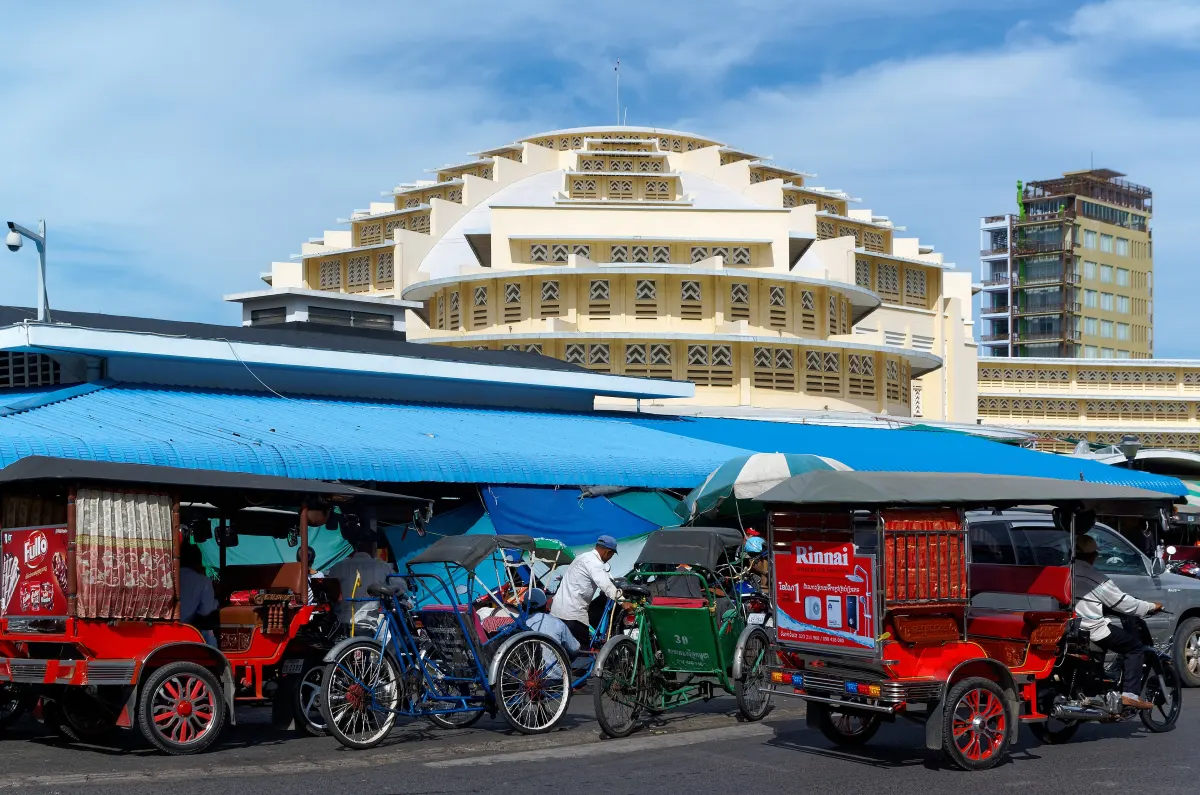
Cambodia has two currencies in everyday use: the US dollar and the Cambodian riel. Prices for hotels, tours and most things for visitors are in dollars, while riel is used for small amounts and change. It sounds confusing, but you'll soon get used to it.
Dollars and riel
- The exchange rate is fixed in practice at about 4,000 riel to the dollar, and that's the rate shops use. If something costs US$2.50, you'll often pay with three dollars and get 2,000 riel change.
- Riel notes go from 100 to 100,000. Coins aren't used. US dollar coins aren't accepted, and nor, usually, are US notes smaller than a dollar's worth, so small change comes in riel.
- US notes must be in good condition: shops, and sometimes banks, refuse notes that are torn, written on or worn. Bring clean, newer notes, and refuse damaged ones in your change.
- Bring small notes: ones, fives, tens and twenties. Fifties and hundreds are hard to change outside banks and hotels, and are the notes most often forged.
- Fake dollar notes, and fake riel, are sometimes given as change. Check notes you're given, especially large ones.
- Spend or change your riel before you leave: you can't change it outside Cambodia.
ATMs
- ATMs are easy to find in Phnom Penh, Siem Reap, Battambang, Kampot and Sihanoukville, and most give US dollars, often in large notes. Some let you choose riel. They're scarce in the countryside and on the islands, so take enough cash before you go.
- Most ATMs charge a fee of a few dollars per withdrawal, on top of anything your own bank charges, so take out larger amounts less often. Ask for, or choose, small notes if you can, or break large ones at a bank or a big supermarket.
- Use ATMs inside banks, shopping centres or hotels rather than on the street. Card skimming happens: cover the keypad and check for anything odd stuck on the machine.
Cards and QR payments
- Cards are accepted at most hotels, restaurants for visitors, supermarkets and airlines, sometimes with a surcharge of a few per cent. Markets, street food, tuk-tuks and small guesthouses want cash.
- Cambodians pay for almost everything by scanning a KHQR code with a banking app. Visitors can join in with the central bank's Bakong Tourists app, which you top up with a foreign Visa or Mastercard, then pay by scanning a shop's KHQR code. Check the limits and fees in the app, and keep cash too: not every QR code works with it.
- Ride-hailing apps such as Grab and PassApp take cash or a card linked to the app: see Phones and apps.
Prices and haggling
- Cambodia is cheap for food, transport and guesthouses, but Angkor passes, visas and things aimed at visitors are priced in dollars and add up.
- Haggle, politely and with a smile, at markets and with tuk-tuk drivers you flag down. Prices in shops, cafés and restaurants are fixed.
Tipping
- Tipping isn't traditional, but it's become common in places used by visitors, and wages are low, so it's appreciated.
- In restaurants, leave a little, rounding up or around 5 to 10 per cent, if there's no service charge on the bill.
- Guides and drivers on a day trip, for example at Angkor, are usually tipped a few dollars a day, more if they've been good. Tip hotel staff who carry bags or clean your room too.
- Monks don't take money directly in their hands: if you want to make an offering at a pagoda, use the donation box.
See also: Arriving in Cambodia and Safety.



Comments
No comments yet.