
Irish pubs: how they work, pints, rounds and pubs to visit
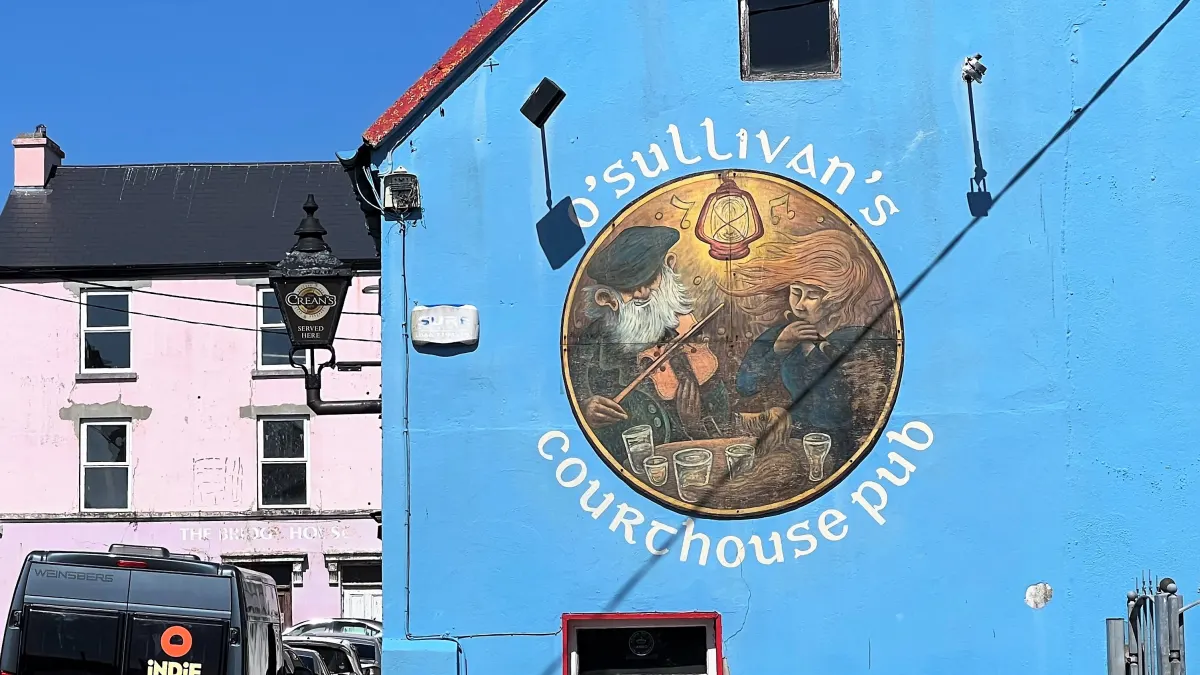
The pub is the heart of social life in Ireland: in a small town, it may also be the grocer's, the undertaker's or the post office. Irish pubs are famously welcoming, and a few customs will help you fit in.
How Irish pubs work
- Order at the bar and pay as you go. There's usually no table service, except for food in some pubs. You don't tip for drinks.
- Rounds: in a group, each person takes a turn buying drinks for everyone. If someone buys you a drink, buy the next round.
- Sizes: a pint, or a half pint, which is often called a glass.
- Guinness takes time: a good barman pours it in two stages and lets it settle in between, which takes about two minutes. Wait for it to be topped up and handed over, and don't start drinking until the creamy head has settled.
- Not drinking alcohol? Soft drinks, tea and coffee are fine; many pubs serve alcohol-free Guinness too.
- Who can go: you must be 18 to buy alcohol, and you may be asked for ID. Children are allowed in pubs with an adult during the day and into the early evening (until 9 pm, or 10 pm in summer). Smoking has been banned inside since 2004.
- Hours: most pubs close around 11.30 pm, a little later on Fridays and Saturdays. The barman calls time when it's closing.
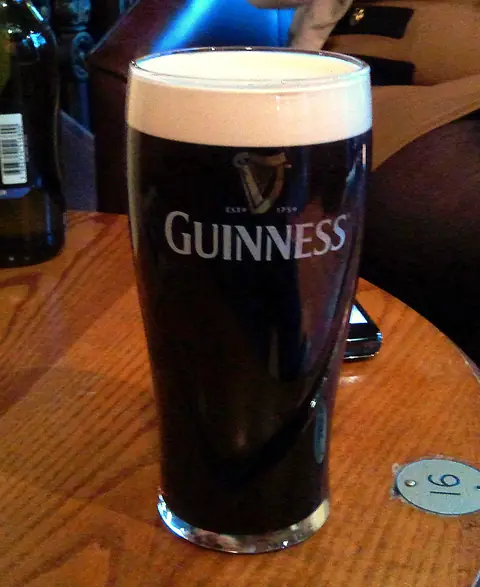
A pint of Guinness
Ireland's famous stout, brewed at St James's Gate in Dublin since 1759.
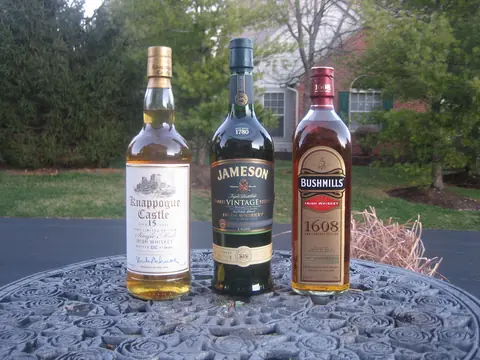
Irish whiskey distilleries
Irish whiskey is usually triple-distilled and smooth.

Jameson Distillery Bow St, Dublin
The original Jameson distillery in Smithfield, where whiskey was made from 1780 until production moved to Midleton in County Cork in 1975.
Pubs to visit
Ireland has thousands of pubs, but some are special: old grocery bars such as Morrissey's in Abbeyleix and Hargadon's in Sligo, Dublin's Victorian pubs, the Long Hall and Kehoe's, Sean's Bar in Athlone, which claims to be the oldest pub in Ireland, and Dick Mack's in Dingle, a leather shop and pub in one. More are in our list of pubs and drinks in Ireland.
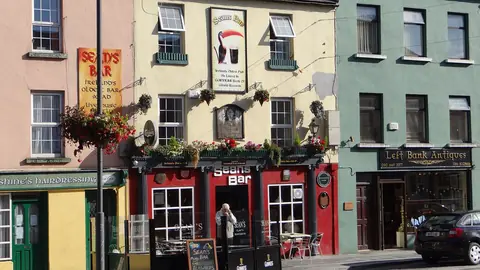
Sean's Bar, Athlone
A low, dark bar on the banks of the Shannon that claims to be the oldest pub in Ireland, and perhaps in the world.
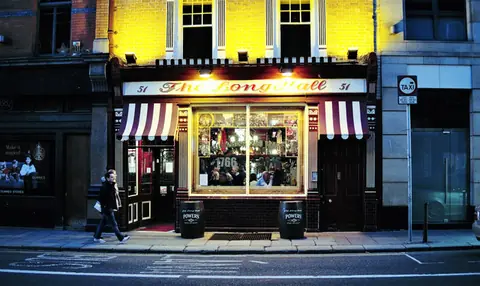
The Long Hall, Dublin
One of the most beautiful Victorian pubs in Dublin.
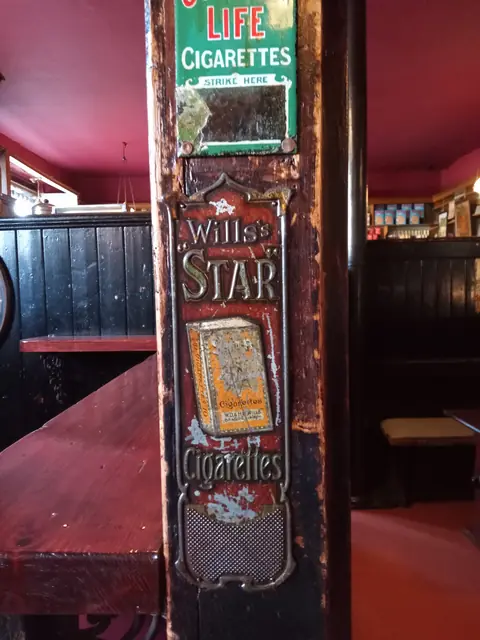
Morrissey's, Abbeyleix
One of Ireland's finest old grocery pubs.
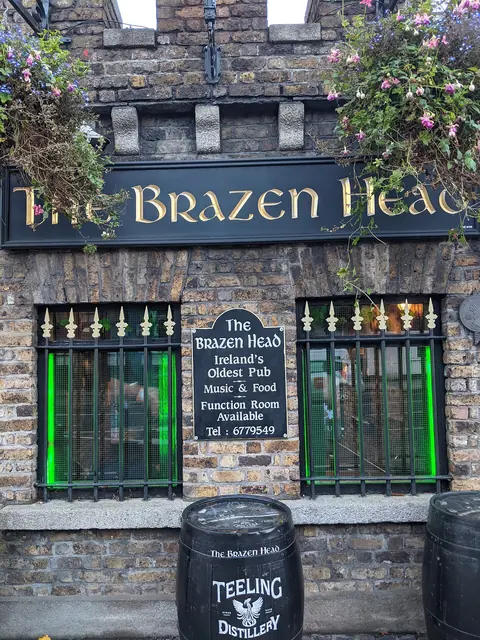
The Brazen Head, Dublin
The pub that is usually called the oldest in Dublin.
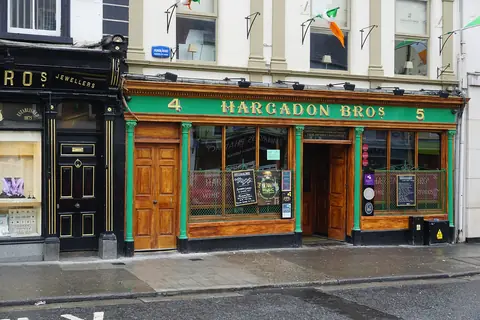
Hargadon Bros, Sligo
A grocery pub in the centre of Sligo, built in the 1860s and named after the Hargadon brothers, who bought it in 1909.
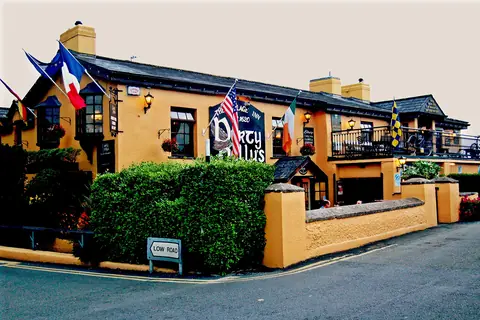
Durty Nelly's, Bunratty
A big, old pub beside Bunratty Castle, said to date from 1620.
See also traditional music and 7 days in Ireland.
Comments